
In the world of construction, achieving the perfect concrete mix is a delicate balancing act. Concrete is essentially a composite of coarse and fine aggregates bound together by a paste of water and cement. While water is the catalyst that brings this mixture to life, it is also one of the most common sources of structural failure when poorly managed.
Adding extra water to a concrete mix might seem like a quick fix to improve workability and make pouring easier on the job site. However, this shortcut often leads to disastrous consequences for the structural integrity and longevity of the build.
So, what exactly happens if concrete is too wet? Let’s dive into the chemistry of the mix, the severe risks of excess water, and how to effectively manage moisture for optimal concrete performance.
The Crucial Role of Water in Concrete
Water serves two primary purposes in a concrete mix:
- Chemical Hydration: Water reacts chemically with cement powder in a process called hydration. This exothermic reaction forms the crystalline bonds that hold the aggregates together, ultimately giving the concrete its compressive strength.
- Workability: Water acts as a lubricant, allowing the mixture to flow easily into molds and around steel reinforcements.
The Water-Cement Ratio (w/c) Rule
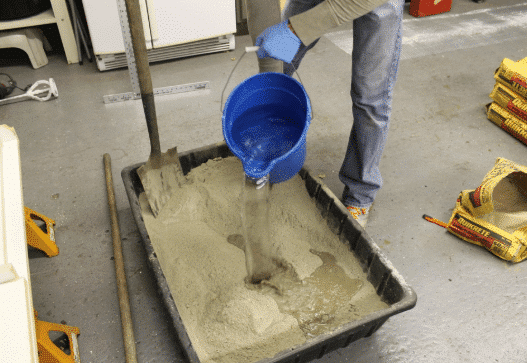
The delicate balance between these two functions is governed by the water-cement ratio. This is the weight of the water divided by the weight of the cement. For standard construction, an optimal w/c ratio typically falls between 0.40 and 0.60.
The golden rule of concrete engineering is simple: As the water-cement ratio increases, the compressive strength and durability of the concrete decrease. Excess water that is not consumed during the hydration process takes up space. When this free water eventually evaporates, it leaves behind a network of tiny voids and pores within the hardened structure.
7 Critical Effects of Too Much Water in Concrete
When you exceed the optimal water-cement ratio, the concrete mixture degrades rapidly. Here are the primary issues caused by an overly wet mix:
- Segregation and Bleeding
A high water content causes the heavier aggregates (gravel and sand) to sink to the bottom of the formwork, while water and cement paste rise to the top. This separation, known as segregation and bleeding, results in an inconsistent structure that is structurally weak at the surface and honeycombed at the bottom.
- Drastic Loss of Compressive Strength
Every drop of excess water dilutes the cement paste. For example, bumping a designed w/c ratio from 0.48 to 0.56 by adding unmeasured water on-site can easily slash the 28-day compressive strength by 15% to 20%. In load-bearing structural columns or foundations, this drop can lead to catastrophic failure.
- Increased Shrinkage and Cracking
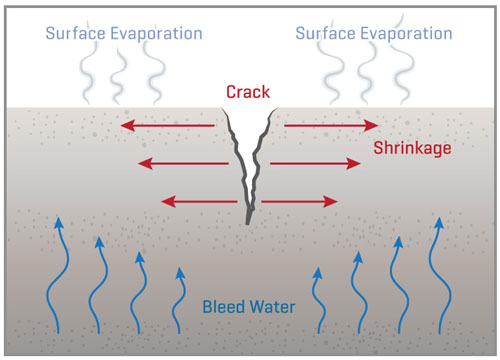
As the excess water evaporates from the poured concrete, the volume of the slab shrinks. This rapid moisture loss creates immense internal tensile stress, leading to unsightly and damaging plastic shrinkage cracks across the surface.
- Poor Durability and High Permeability
The voids left behind by evaporated water create a porous, sponge-like network inside the concrete. This high permeability allows water, de-icing salts, and aggressive chemicals to easily penetrate the structure down the line, leading to freeze-thaw damage and the corrosion of internal steel rebars.
- Surface Dusting and Weakness
When bleed water rises to the top of an overly wet slab, it brings fine cement particles with it, forming a weak, milky layer called laitance. Once dried, this surface is highly susceptible to wear, abrasion, and dusting.
- Construction and Formwork Defects
Highly fluid, watery concrete exerts excessive hydrostatic pressure on formwork, increasing the risk of mold bulging or slurry leakage. When the forms are removed, the concrete often exhibits rough patches and exposed aggregates.
- Accelerated Carbonation
A porous concrete structure has less resistance to carbon dioxide in the atmosphere. Carbonation lowers the alkalinity of the concrete, stripping away the natural chemical protection around steel reinforcements and accelerating rust.
How to Identify Over-Wet Concrete: The Slump Test
Before pouring, it is critical to verify the workability of the batch. The most reliable industry standard for this is the Concrete Slump Test.
- Fill the Cone: Fill a standard slump cone with fresh concrete in three equal layers, tamping each layer 25 times with a steel rod to remove air pockets.
- Level and Lift: Level off the top, then carefully pull the cone straight up.
- Measure the Drop: The concrete will “slump” downward. Measure the difference between the top of the mold and the top of the slumped concrete.
Interpreting the Results:
- Low Slump (10mm – 40mm): A stiff mix, ideal for pavements and foundations requiring high strength.
- Medium Slump (50mm – 90mm): Normal reinforced concrete work.
- High Slump (100mm+): Highly fluid. If a mix exhibits a high slump without the use of specialized chemical additives, it is likely too wet and structurally compromised.
How to Fix a Concrete Mix That is Too Wet
If you discover that a batch of concrete contains too much water, immediate action is required based on the stage of construction:
Before Pouring: Adjust the Mix
- Rebalance Dry Materials: Add proportional amounts of cement and aggregates to absorb the excess water while maintaining the original w/c ratio.
- Utilize Chemical Additives: Incorporate advanced water-reducing agents to manage flowability without compromising the chemical ratio.
During/Immediately After Pouring
- Remove Surface Water: Never trowel bleed water back into the surface. Wait for the water to evaporate, or use a squeegee/vacuum dewatering system to remove it before finishing.
- Optimize Vibration: Ensure proper vibration to consolidate the mix, but avoid over-vibrating, which will only worsen aggregate segregation in a wet mix.
After the Concrete Has Hardened
- Core Testing: If excess water was suspected, conduct rebound hammer or core sample tests. If the concrete fails to meet the designed psi/MPa, structural reinforcement (such as carbon fiber wrapping) or complete removal may be required.
Achieving Perfect Workability Without the Water Risk
The modern construction challenge is achieving high flowability for easy placement (like in pumped concrete) without adding excess water that destroys structural integrity. The solution lies in advanced chemical engineering.
At Mikem Chemical, we specialize in high-performance construction additives designed to optimize concrete behavior at the molecular level. Our dedicated R&D center and advanced manufacturing facilities provide comprehensive solutions for the global construction market.
Instead of risking structural failure with excess water, industry leaders rely on specialized chemical formulations:
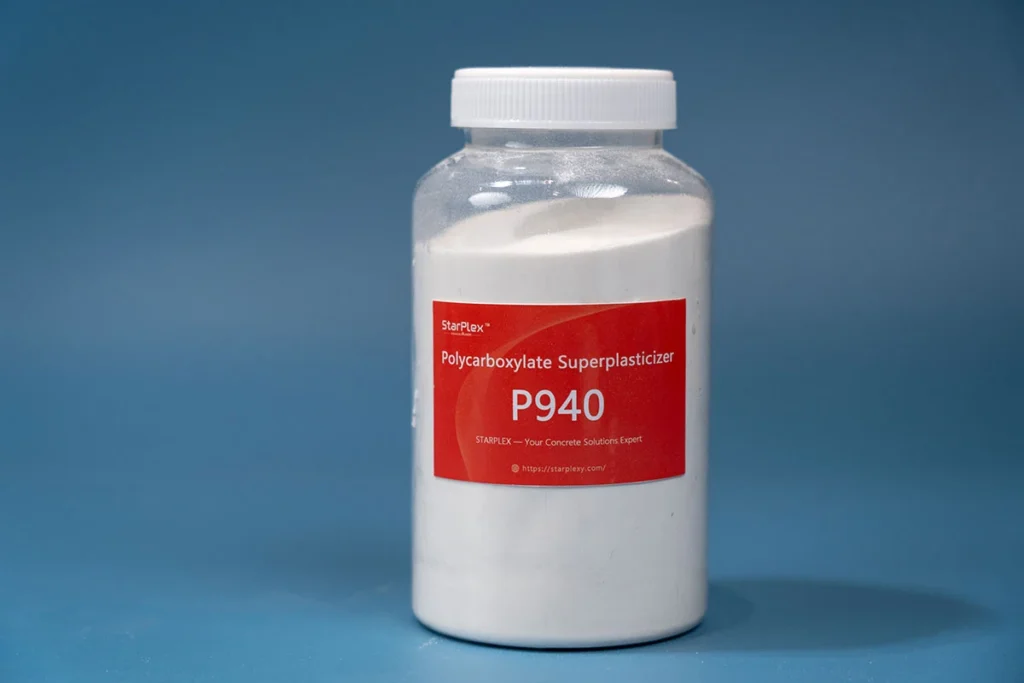
- High-Performance STARPLEX™ Water Reducers & Superplasticizers: Maintain exceptional slump and flowability while actually reducing the water content required in the mix. This guarantees maximum compressive strength and a dense, impermeable finish.
- Melacoll™ Cellulose Ethers (CMC, HPMC, HEMC): For specialized dry-mix mortars and construction applications, our flagship Melacoll™ line offers superior water retention, rheology modification, and anti-sagging properties, ensuring the perfect consistency and prolonged open time without excess moisture.

Partner with a Supply Chain Leader Whether you need customized formulation support, OEM manufacturing, or reliable one-stop chemical procurement‘, Mikem’s technical team is ready to assist. Stop compromising on your concrete mix designs.
[Contact Mikem Chemical Today] to discover how our premium additives can elevate your construction projects, reduce costs, and ensure uncompromising quality.
