
In today’s demanding construction landscape, production managers and formulators face a constant battle: balancing material costs with the need for flawless, durable performance. A single batch of poorly formulated material can lead to severe structural cracking, hollow tiles, and catastrophic rework costs. At the heart of resolving these application failures lies a deep understanding of mortar composition.
Whether you are developing high-performance polymer-modified mortar for external insulation systems or standard masonry blends, precision is non-negotiable. In this comprehensive guide, we will break down the advanced chemistry behind modern dry mix mortar formulations, explore how the right mortar additives can resolve your most pressing production pain points, and show you how optimizing your formula can protect your margins and brand reputation.
The Evolution of Mortar: From Ancient Binders to Advanced Chemistry
Historically, mortar composition relied on basic mixtures of wet mud, wood ash, or simple lime and sand. While the fundamental concept—binding aggregates together—remains the same, the chemical demands of modern architecture have evolved drastically.
Today’s industry is rapidly shifting away from inconsistent, labor-intensive on-site mixing toward highly engineered dry mix mortar formulations. Modern construction requires materials that can withstand extreme thermal expansion, resist water ingress, and adhere to challenging substrates. To achieve this, simple sand and cement are no longer enough; success depends on a precise matrix of cementitious binders, graded aggregates, and high-purity chemical modifiers.
Decoding Mortar Composition: What Drives Performance?
Before diving into advanced modifications, it is crucial to establish the baseline. A common question among new industry professionals is understanding the exact difference between cement and mortar, as well as concrete.
- Cement is the raw, reactive binding powder. Used alone, it is brittle and prone to severe shrinkage.
- Concrete combines cement, sand, and large gravel aggregates to bear massive structural loads (like pillars and slabs).
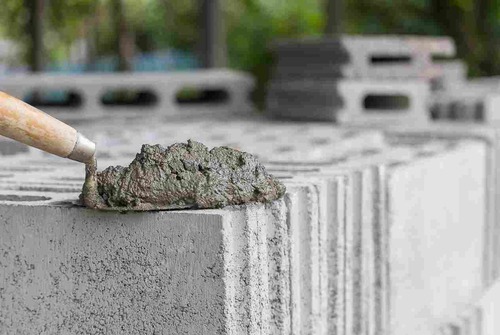
- Mortar is the specialized adhesive paste—blending cement, fine sand, water, and essential additives—designed specifically for bonding, leveling, and plastering without the bulky gravel.
To manufacture top-tier mortar, you must balance four core pillars:
- Cementitious Materials: The backbone of your strength. Ordinary Portland Cement (OPC) is standard, but high-end formulations often blend cement with gypsum or hydrated lime to enhance plasticity and extend open time.
- Fine Aggregates (Fillers): Graded silica sand forms the structural skeleton. The particle size distribution directly impacts the mortar’s workability and final compressive strength.
- Mineral Admixtures: Materials like volcanic ash (pozzolans) can be added to improve water resistance and long-term durability, especially in harsh or underwater environments.
- Chemical Additives (The Game Changers): This is where ordinary mortar transforms into high-value polymer-modified mortar. Additives dictate water retention, flexibility, and anti-sag properties.
Aligning Formulations with ASTM C270 Standards
Producing certified, predictable products is essential for winning large project contracts. The ASTM C270 standard classifies mortar based on its 28-day compressive strength, dictating its structural suitability:
| Mortar Type | Strength Category | 28-Day Compressive Strength | Key Characteristics | Primary Applications |
|---|---|---|---|---|
| Type M | High Strength | 2500 psi / 17.2 MPa | Maximum durability; requires a high cement-to-sand ratio and often water-reducing additives. | Heavy-duty, below-grade applications (foundations, retaining walls, underwater structures). |
| Type S | Medium-High Strength | 1800 psi / 12.4 MPa | Exceptional tensile bond strength; designed to flex and withstand environmental pressures. | Exterior load-bearing walls, anti-seismic structures, high-rise commercial construction. |
| Type N | Medium Strength | 750 psi / 5.2 MPa | The industry standard; offers the most reliable balance of strength, flexibility, and workability. | General above-ground construction (interior/exterior walls, standard facing tiles, everyday masonry). |
| Type O | Low Strength | 350 psi / 2.4 MPa | Highly pliable and soft; yields to pressure before damaging surrounding older bricks. | Non-load-bearing interior partitions, lightweight decorative masonry, standard building restoration. |
| Type K | Ultra-Low Strength | 75 psi / 0.5 MPa | Ultra-soft and highly breathable; protects fragile materials from severe cracking. | Delicate historical and ancient building restoration (rarely used in modern commercial builds). |
Solving Production Pain Points: Cost-Benefit Analysis of Mortar Additives
Pain Point 1: How to Prevent Mortar from Cracking?
- The Problem: Rapid moisture loss to dry substrates or harsh weather causes immediate shrinkage cracking. Incorrect water-cement ratios exacerbate this.
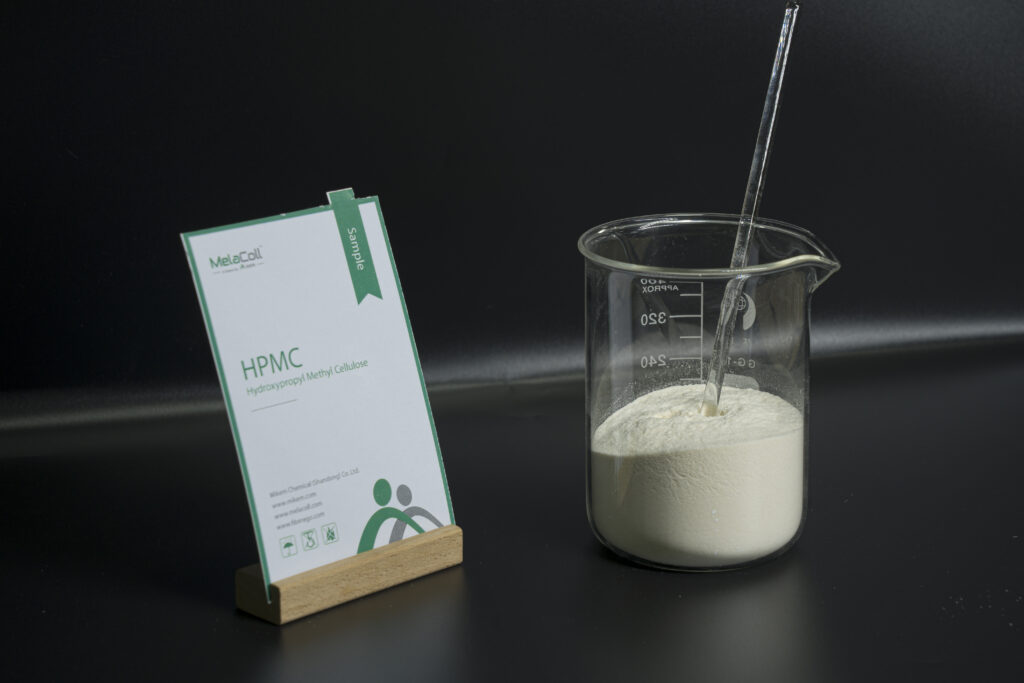
- The Chemical Solution: Integrating high-purity Cellulose Ether (such as HPMC for mortar) at a dosage of just 0.1% to 0.15% locks in moisture. This ensures the cement hydrates fully and uniformly, drastically reducing shrinkage cracks and extending the open time for workers.
Pain Point 2: Hollow Tiles and Poor Adhesion
- The Problem: Standard cement lacks the flexibility to absorb thermal stress, leading to delamination (tiles popping off).
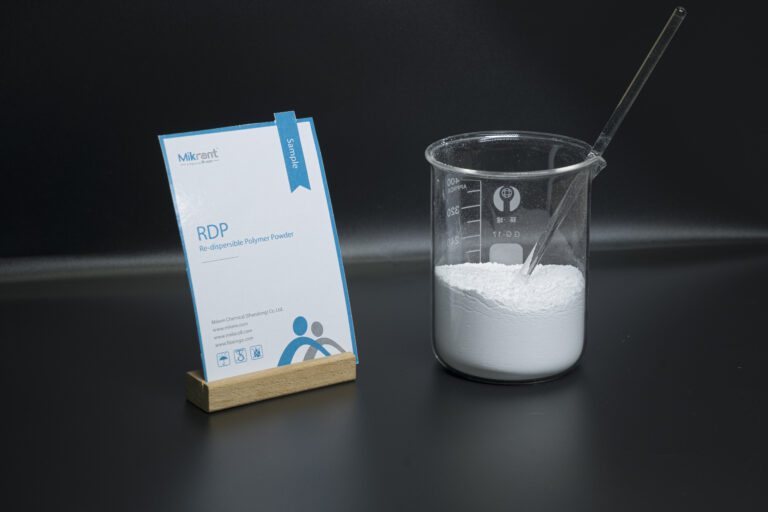
- The Chemical Solution: Adding RDP polymer powder (Redispersible Polymer Powder). RDP creates a flexible plastic film within the rigid cement matrix. This dramatically increases tensile adhesion and flexibility, which is strictly required for modern large-format ceramic tile adhesives and Exterior Insulation and Finish Systems (EIFS).
The Mikem Chemical Solution: Partnering for Formulation Excellence
At Mikem Chemical, we understand that you aren’t just buying raw materials; you are securing the stability of your production line. We are dedicated to helping downstream manufacturers and R&D teams formulate highly competitive, cost-effective products.
- Uncompromising Purity & Consistency: Our HPMC and RDP products undergo rigorous quality control, ensuring that every batch behaves predictably in your mixers. Say goodbye to fluctuating viscosity and adhesion failures.
- Tailored Technical Support: Struggling with a high-performance waterproof mortar formulation? Our laboratory technicians work alongside your R&D team to optimize your additive ratios—helping you achieve superior workability without over-engineering your costs.
- Supply Chain Stability: As a leading chemical provider, Mikem guarantees reliable, global delivery, insulating your production from unexpected market shortages.
FAQ: Optimizing Your Mortar Additives
To further support your R&D efforts, here are answers to the most common formulation questions we receive from production managers:
- How much RDP polymer powder should I use for tile adhesive?
For standard to high-performance tile adhesives, we recommend an RDP dosage of 1% to 2% by total dry weight. Going beyond this may unnecessarily increase costs without proportional performance gains, while dropping below 1% risks insufficient flexibility. - Does PVA additive weaken mortar compressive strength?
It depends entirely on the dosage. When Polyvinyl Alcohol (PVA) is added at a low dosage (around 0.6%), it can actually increase compressive strength by approximately 12%. At 1.0%, breaking strength improves by 25%. However, if the dosage exceeds 1.5% – 2.0%, the structural integrity of the mortar begins to degrade. Precision is key. - What are the best mortar additives for cold weather construction?
To prevent freezing before the cement cures, formulators should integrate early strength agents (accelerators), antifreeze compounds, and high-efficiency water-reducing agents (like polycarboxylate or naphthalene superplasticizers) to lower the total water demand while maintaining fluidity. - How can we formulate a high-performance waterproof mortar?
A robust waterproof formulation requires a multi-layered approach. We advise combining our high-grade VAE RDP powder with a silicone hydrophobic agent or calcium stearate, supported by an optimized dose of HPMC to ensure a dense, void-free cure.
Ready to Upgrade Your Mortar Formulations?
Elevating your dry mix mortar products doesn’t have to be a trial-and-error process. By partnering with a reliable chemical supplier, you can achieve perfect consistency, reduce failure rates, and enhance your market competitiveness.
Let Mikem Chemical help you solve your formulation challenges. Contact our technical team today for a customized consultation, or request a free sample of our premium HPMC and RDP additives to test in your own laboratory.
