News

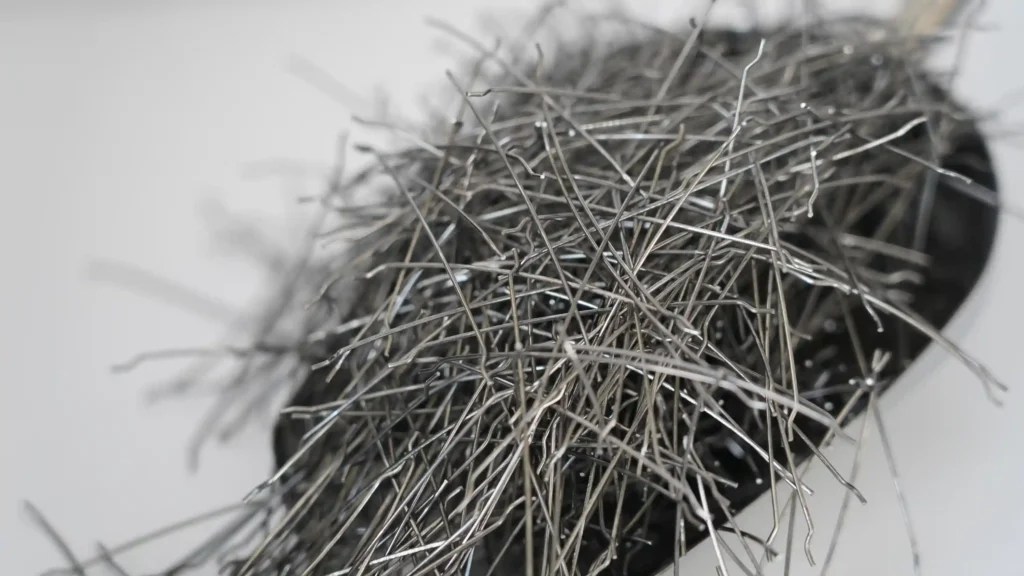
fiber in grouting concrete 2

Fiber-Reinforced Concrete: Types, Benefits & Applications

Concrete is one of the most widely used construction materials, but traditional concrete has a major weakness: it’s prone to cracking under stress. That’s where fiber-reinforced concrete (FRC) comes in. By adding fibers, such as steel, carbon, glass, or synthetic materials, engineers can significantly enhance concrete strength, durability, and crack resistance. Whether it’s for heavy-duty industrial floors, […]

Fiber-Reinforced Concrete: Types, Benefits & Applications Read More »

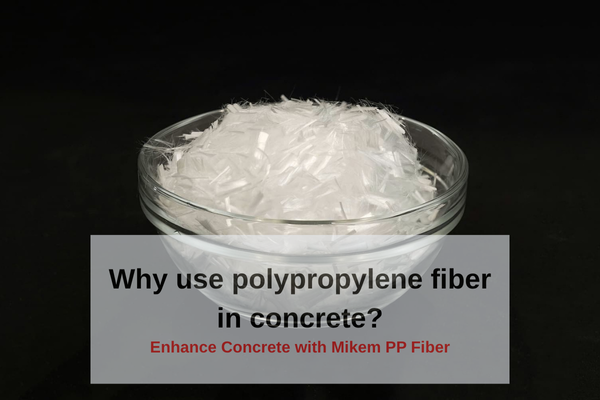
cover why use pp fiber in concrete

Why use polypropylene fiber in concrete?

In the construction industry, durability, cost-effectiveness, and performance are key priorities when it comes to concrete. One way to improve all three is by adding polypropylene fiber to concrete mixes. This small addition can make a big difference in strength, crack resistance, and long-term performance. If you’re in the business of construction materials or concrete

Why use polypropylene fiber in concrete? Read More »

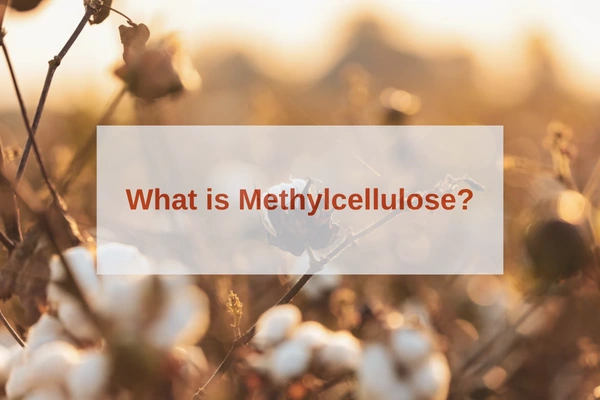
what is methylcellulose

What is Methyl Cellulose (E461)? Uses, Benefits & Side Effects

What is Methylcellulose? Methylcellulose is a compound derived from cellulose, the primary structural component of plant cell walls. It’s a white, odorless, tasteless powder that dissolves in cold water to form a gel or a thick solution. What makes methylcellulose interesting is that it’s not digestible by the human body — it passes through the

What is Methyl Cellulose (E461)? Uses, Benefits & Side Effects Read More »

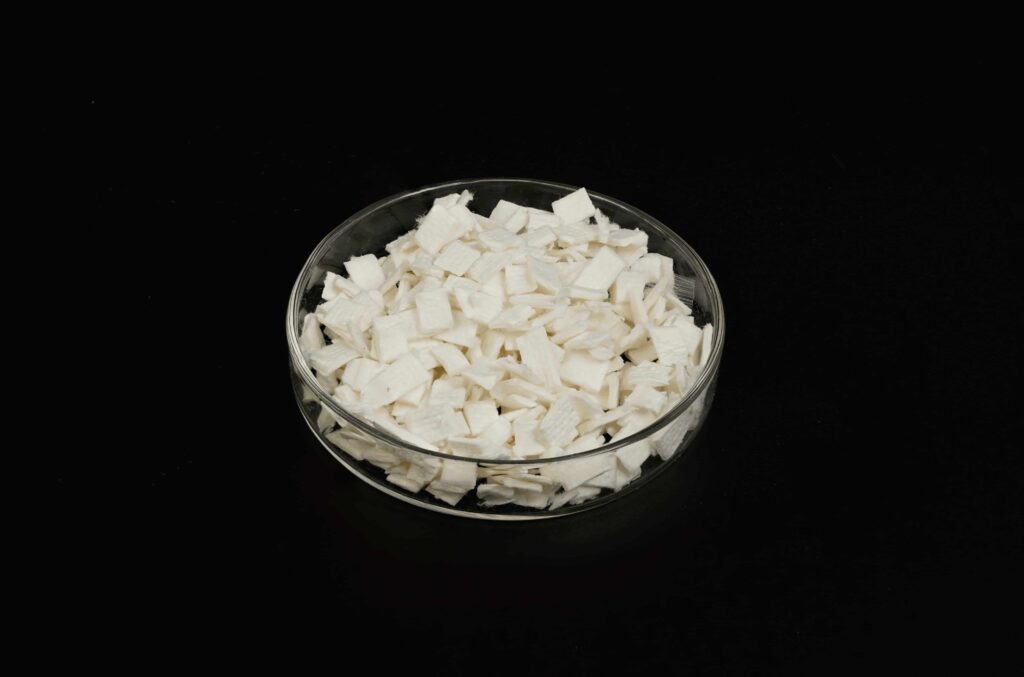
cmc powder in a wooden bowl

Carboxymethyl Cellulose (CMC): Uses in Food, Pharma & More

What Is Carboxymethyl Cellulose (CMC)? Carboxymethylcellulose, or CMC, is a thickening and stabilizing agent made from plant fibers (like wood or cotton). It’s often used in food, medicine, and cosmetics to make products smoother, thicker, or gel-like. It dissolves in water, making liquids thicker or smoother without changing taste. For example, it keeps ice cream

Carboxymethyl Cellulose (CMC): Uses in Food, Pharma & More Read More »

a person in white clothes holding a capsule

What Are HPMC Capsules? Benefits, Uses & Comparison to Gelatin

HPMC stands for Hydroxypropyl Methylcellulose (also called hypromellose), a plant-based material used to make vegetarian and vegan-friendly capsules. Unlike traditional gelatin capsules (which come from animal collagen), HPMC capsules are derived from cellulose, a natural fiber found in wood pulp. These capsules are widely used in the pharmaceutical, supplement, and nutraceutical industries because they are

What Are HPMC Capsules? Benefits, Uses & Comparison to Gelatin Read More »

Asia Pacific: Leading The Recovery of the Global Construction Chemicals Market

MIKEM Information Asia Pacific: Leading The Recovery of the Global Construction Chemicals Market Asia Pacific: Leading The Recovery of the Global Construction Chemicals Market From the perspective of many market participants, if the situation of the COVID-19 epidemic does not deteriorate, 2021 will be the year of recovery for the construction chemical industry. In the

Asia Pacific: Leading The Recovery of the Global Construction Chemicals Market Read More »

Cellulose Ether Market Is Predicted to Reach to USD 235 Billion by 2026

MIKEM Information Cellulose Ether Market Is Predicted to Reach to USD 235 Billion by 2026 Cellulose Ether Market Is Predicted to Reach to USD 235 Billion by 2026 Cellulose ether is made of refined cotton as the key raw materials by chemical treatment and the reaction of etherifying agents. Nowadays, it has been applied in

Cellulose Ether Market Is Predicted to Reach to USD 235 Billion by 2026 Read More »