

Polypropylene fiber in 3D-printed concrete is attracting increasing attention as construction technology moves toward automated building and advanced cement-based materials.
Learn more about Mikem ‘s latest news and product updates.
Learn more about Mikem ‘s latest news and product updates.
Find the Information You Need

Polypropylene fiber in 3D-printed concrete is attracting increasing attention as construction technology moves toward automated building and advanced cement-based materials.

Learn how sodium gluconate retards cement setting, what affects its dosage, how to run concrete trial mixes, and how MIKEM supports product quality and manufacturing.

Hydroxypropyl starch ether (HPS) for gypsum plaster is an effective functional additive that helps improve fresh mortar consistency, sag resistance, and application performance.

Polycarboxylate superplasticizer supports low-carbon concrete through effective particle dispersion, water reduction, and improved fresh-concrete properties. When properly matched with cement and SCM systems, it can help concrete producers develop more efficient and sustainable formulations.
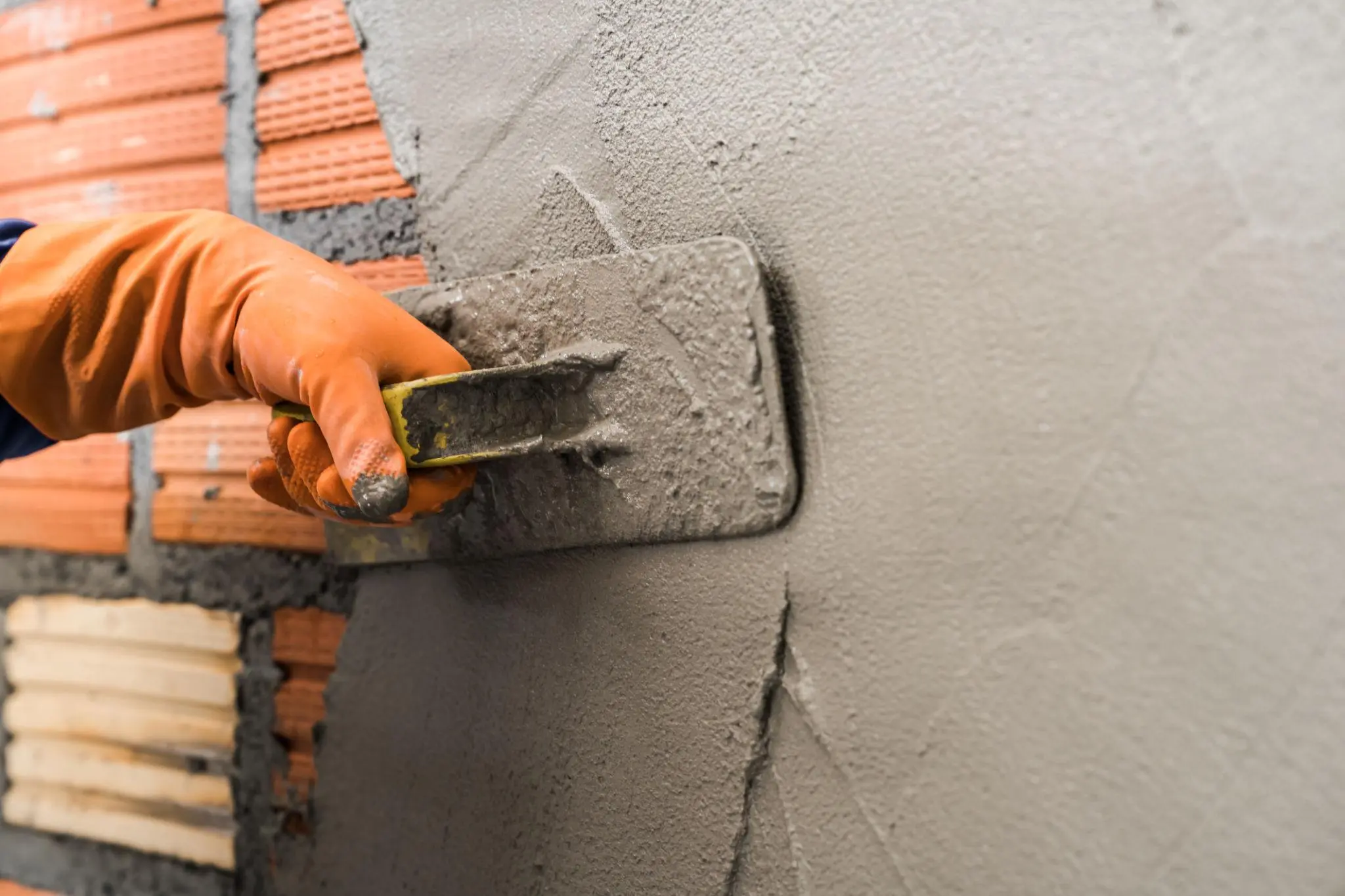
Learn how calcium formate works in dry mix mortar, where it is used, how to evaluate dosage, and what to test before scaling up.

Polypropylene fiber dosage depends on fiber type and performance goals. Learn typical dosage ranges, batch calculations, mixing steps, and how MIKEM supports fiber selection and supply.
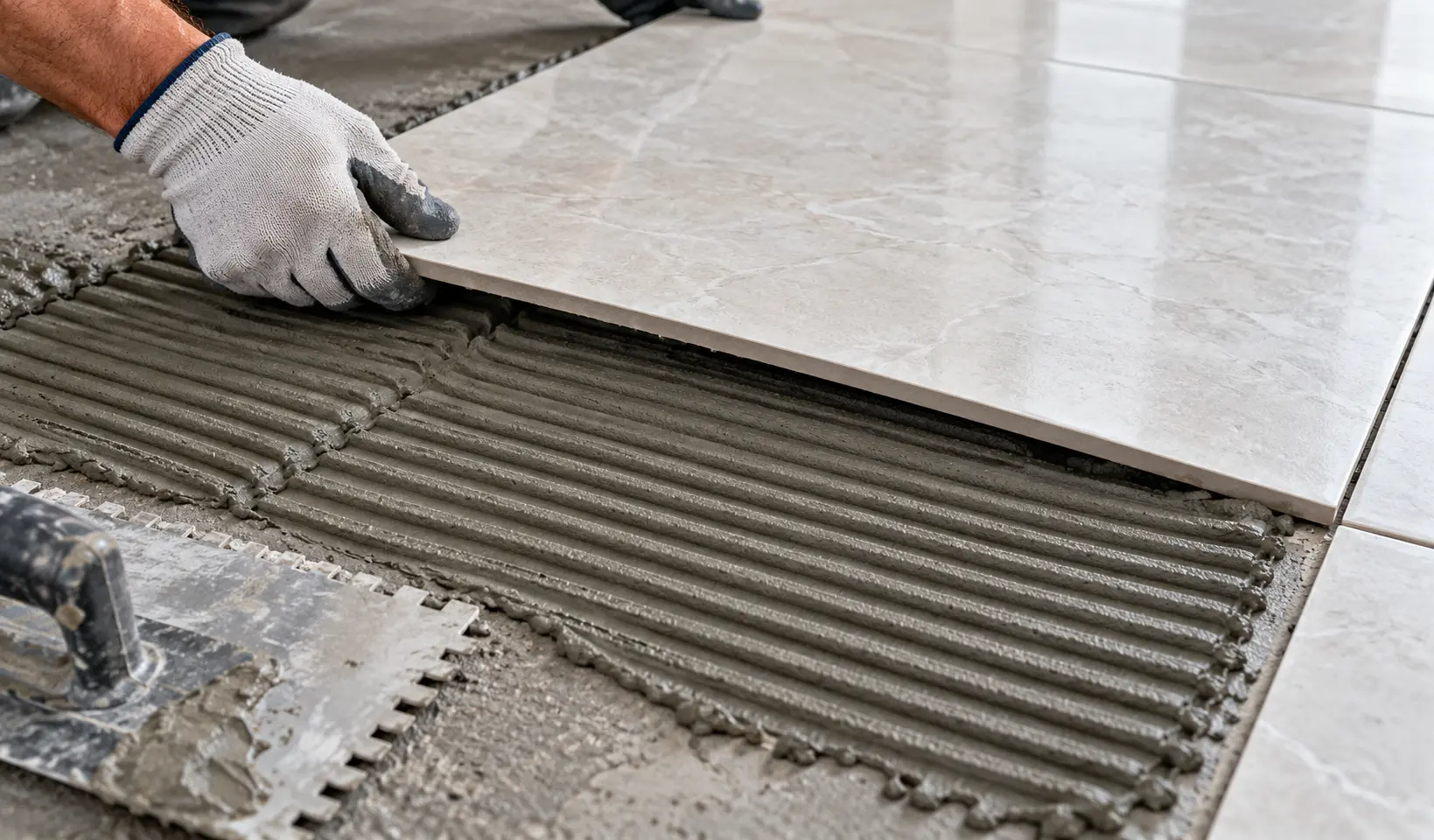
A practical guide to selecting HPMC for tile adhesive by comparing viscosity, water retention, open time, workability, slip resistance and formulation needs, with MIKEM grade-selection support.

An overview of HPMC capsule shells, material differences from gelatin, dissolution, certifications, manufacturing compatibility and pharmaceutical-grade HPMC selection.

Learn how hydroxyethyl cellulose (HEC) may affect viscosity, fluid loss, and suspension stability in well cementing, and why every slurry design requires testing under representative conditions.