
Stop Slurry Settling: Premium HEC for Well Cementing | Mikem
Prevent settling in low-density cement slurries with Mikem’s oilfield-grade Hydroxyethyl Cellulose (HEC). Request a free sample and TDS directly from the manufacturer today.
In the world of construction materials, textiles, and industrial additives, the terms fiber and cellulose are often used interchangeably. However, they are not the same thing.
Understanding the difference is important—especially if you work with concrete fibers, cellulose ethers, or plant-based materials.
In this article, we’ll explain the difference in a simple way, and show how both fiber and cellulose play important roles in modern construction and industrial applications.
Fiber refers to a material with a long, thin, thread-like structure. It is defined by its shape and physical form, not by its chemistry.
Fibers can come from many different sources:
In construction, fibers are widely used to improve material performance. For example:
The key point is that fiber is a general category, not a single material.
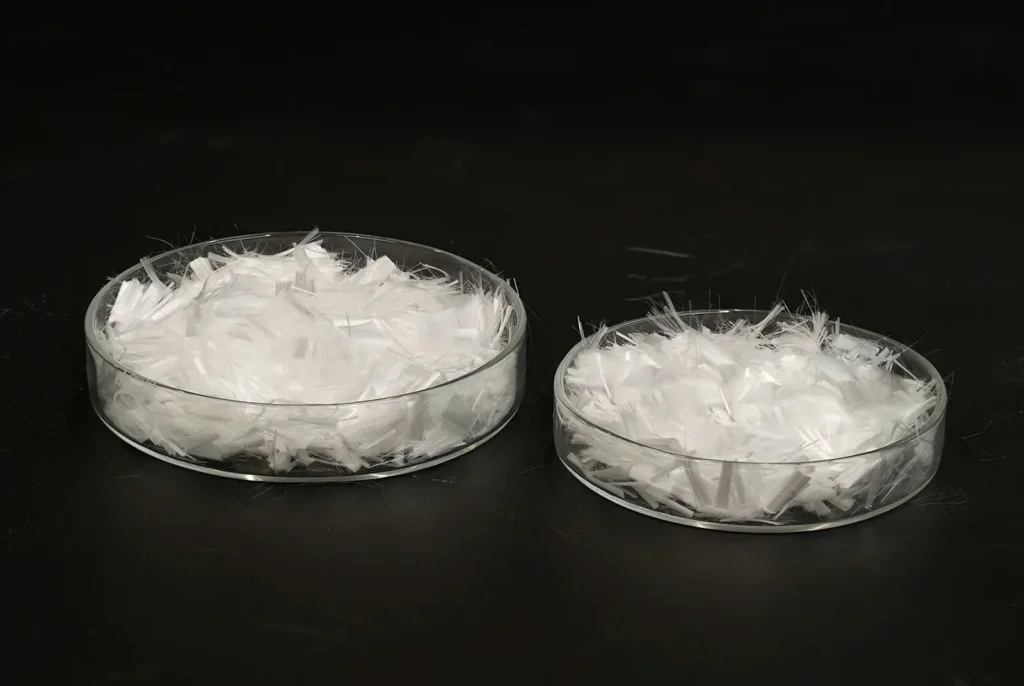
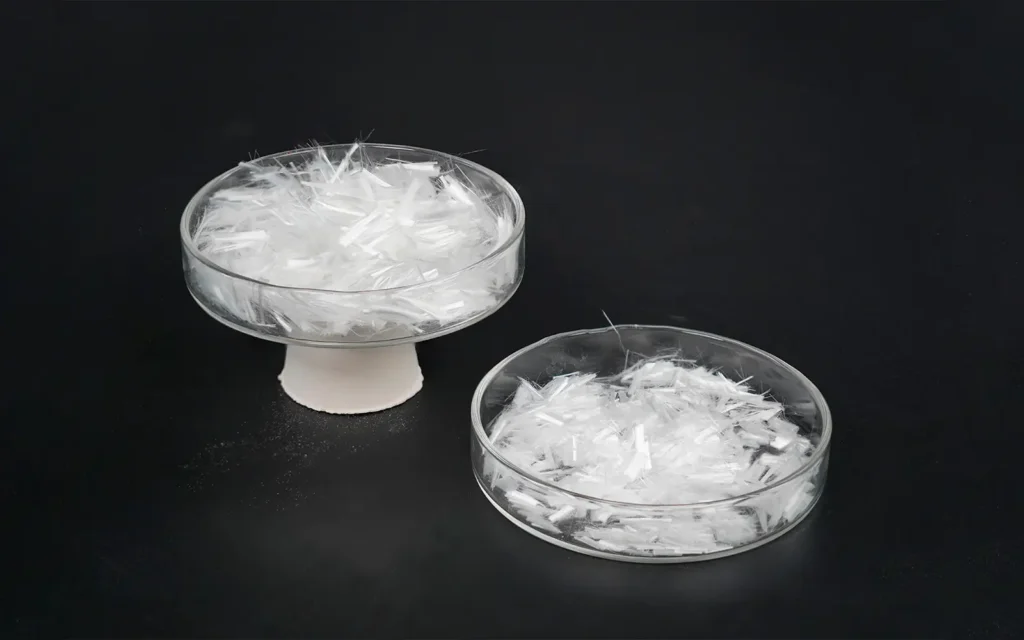
Cellulose is a natural polymer made from glucose molecules. It is the main structural component of plant cell walls.
In simple terms, cellulose is what gives plants their strength and rigidity.
Some important characteristics of cellulose:
Cellulose is widely used in:
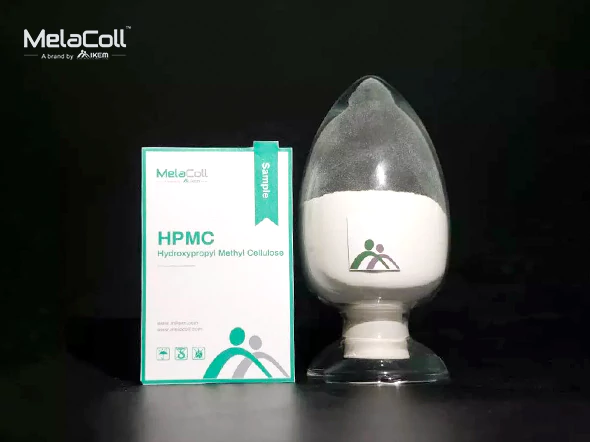
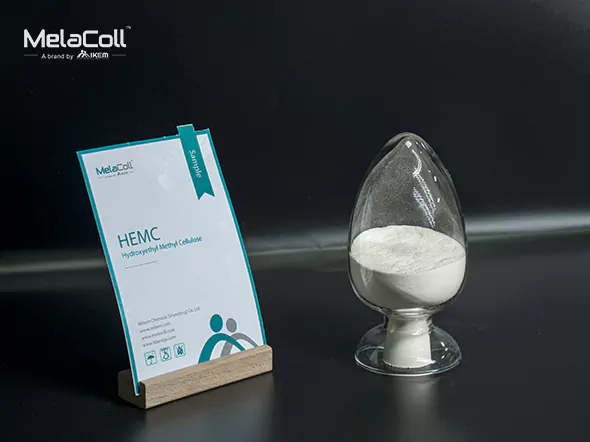
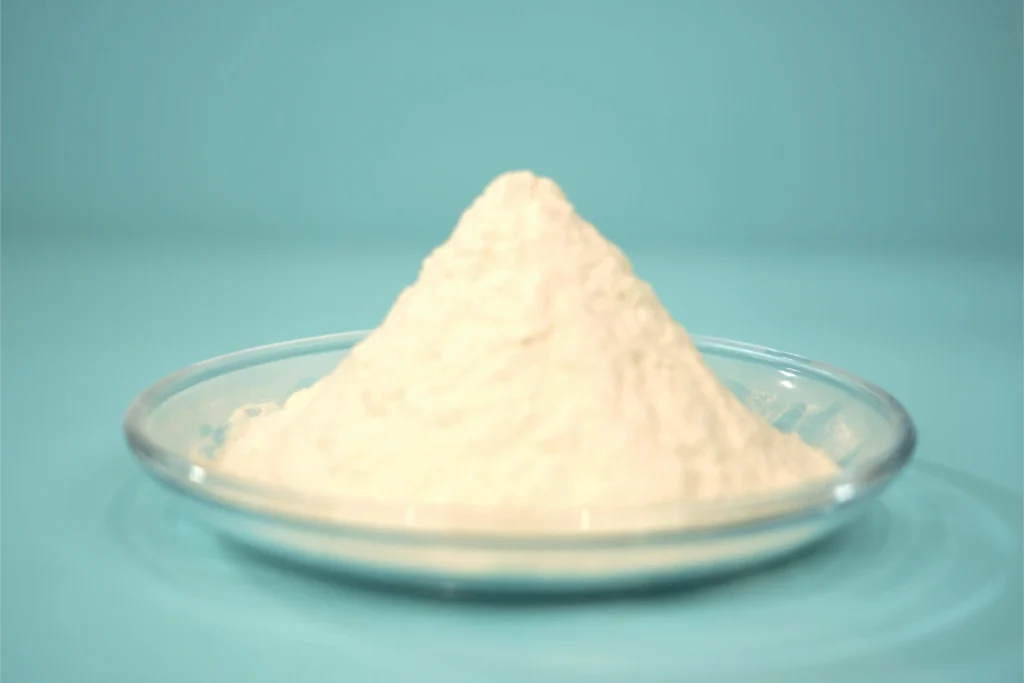
Fiber and cellulose differ fundamentally in how they are defined. Fiber refers to a physical form—materials that are long, thin, and filament-like in shape. It does not describe what the material is made of, only how it exists structurally. In contrast, cellulose is a chemical substance. It is a natural polymer composed of glucose units and is one of the main building blocks of plant structures. While fiber is about form, cellulose is about composition.
The scope of fiber is much broader than that of cellulose. Fiber is a general category that includes a wide variety of materials, such as synthetic fibers like polypropylene, natural fibers like cotton, and even mineral fibers like glass fiber.
Cellulose, however, is much more specific. It is a single type of natural compound found primarily in plants. Even when it is processed into derivatives, it still originates from this one material, making its scope relatively limited compared to fiber.
In short:
Because fiber is a general term, it can be made from many different types of materials. These include synthetic polymers, natural plant-based substances, and inorganic minerals. Cellulose, on the other hand, is always plant-based in origin. Although it can be chemically modified into products like cellulose ethers, its core identity remains the same. This means that while some fibers are made of cellulose, many others are not, depending on their source and intended use.
In construction applications, fiber and cellulose serve very different purposes. Fibers are primarily used for reinforcement. When added to materials like concrete, they help reduce cracking, improve toughness, and enhance overall durability. Cellulose and its derivatives, however, are used to improve workability and performance during application. They help retain water, improve consistency, and make materials easier to handle and apply. Rather than strengthening the structure, cellulose-based additives improve how the material behaves before it sets.
In short:
Think of it this way: Cellulose is a raw material; fiber is the final form.
Cellulose is one of nature’s building blocks. When it naturally arranges itself into long, slender strands—or when it’s processed into that form—it becomes a fiber.
But cellulose isn’t the only material that can take the form of a fiber. In fact, fibers can be made from a wide range of substances:
So here’s the key: All cellulose can become fiber, but not all fibers come from cellulose. Cellulose is just one player in the much larger world of fibrous materials.
Understanding the difference helps you choose the right material for the right application.
Use fibers when you need:
Typical products include:
These materials work by forming a reinforcing network inside the concrete.
Use cellulose derivatives when you need:
Common examples include:
These are widely used in:

In many modern formulations, fiber and cellulose derivatives are used together.
For example in dry mix mortar:
This combination creates a balanced system with both:
Fiber is a material form (long and thin), while cellulose is a natural chemical compound found in plant cell walls.
Cellulose can form natural fibers, but it is not a fiber itself—it is the substance that makes up many plant fibers.
No. Many fibers are synthetic (like polypropylene) or mineral-based (like glass fiber).
Fibers help reduce cracking, improve durability, and enhance the mechanical performance of concrete.
Cellulose derivatives are used to improve water retention, workability, and consistency in dry mix mortar and tile adhesives.
Fiber and cellulose are closely related but fundamentally different concepts.
In construction, both play essential roles:
Understanding how they differ—and how they work together—can help you design better materials and achieve better results in your projects.

MIKEM is a global manufacturer and supplier of specialty chemical products. We are committed to becoming your preferred partner in specialty chemicals with our competitive product portfolio, strong R&D capabilities, and professional formulation expertise .
Prevent settling in low-density cement slurries with Mikem’s oilfield-grade Hydroxyethyl Cellulose (HEC). Request a free sample and TDS directly from the manufacturer today.