In the construction industry, durability, cost-effectiveness, and performance are key priorities when it comes to concrete. One way to improve all three is by adding polypropylene fiber to concrete mixes. This small addition can make a big difference in strength, crack resistance, and long-term performance.
If you’re in the business of construction materials or concrete products, understanding why more and more professionals are turning to polypropylene fiber can help you make better decisions for your projects or product lines.
What is Polypropylene Fiber?
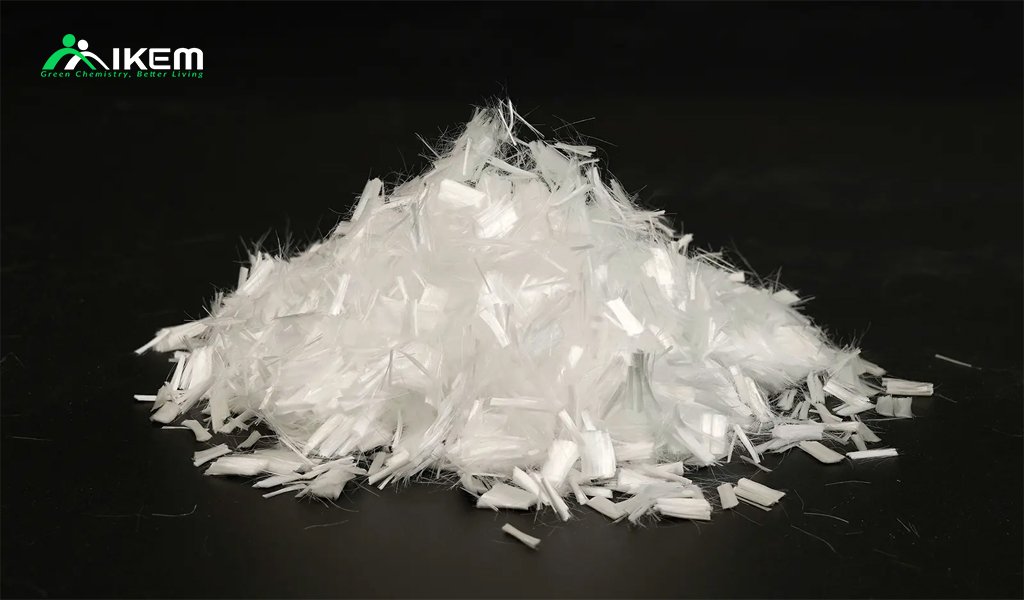
Polypropylene fiber (often shortened to PP fiber) is a synthetic fiber made from polypropylene resin. It’s lightweight, chemically stable, and resistant to moisture, making it ideal for use in cement-based materials like concrete, mortar, and plaster.
These fibers are added directly into the concrete mix, dispersing evenly to form a three-dimensional network. This reinforcement helps control shrinkage cracks and adds toughness to the concrete. Depending on the application, PP fibers come in different lengths and types—such as monofilament, fibrillated, or macro fibers—to meet specific performance needs.
At Mikem, we manufacture high-quality polypropylene fibers designed specifically for concrete applications. Our fibers are engineered for consistent performance and easy mixing, whether you’re producing ready-mix concrete, precast components, or dry-mix mortar products.
What Are the Benefits of Using Polypropylene Fiber in Concrete?
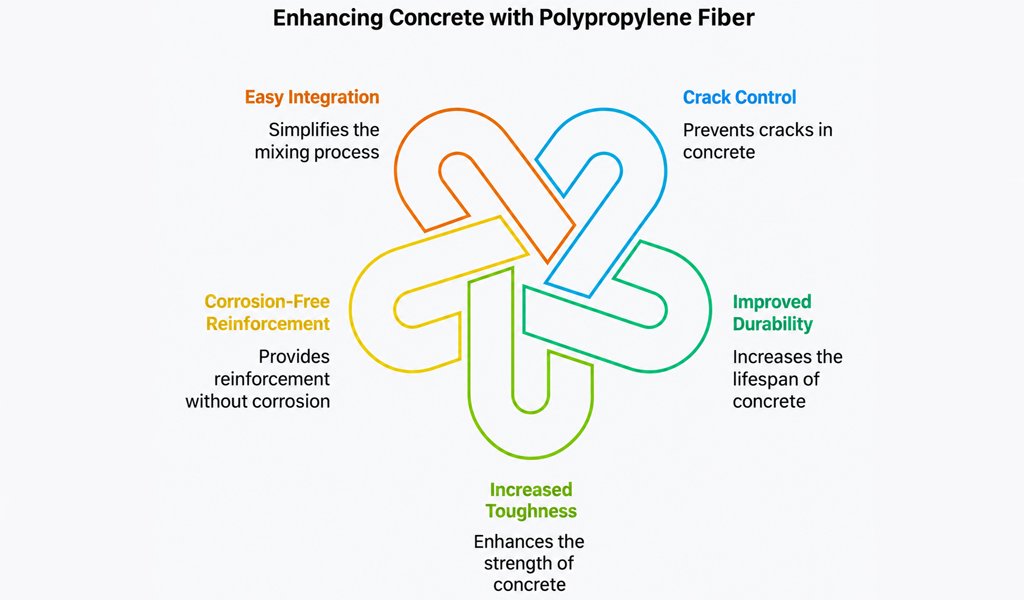
Adding polypropylene fiber to concrete brings a range of benefits that enhance both the fresh and hardened states of the material:
1. Crack Control
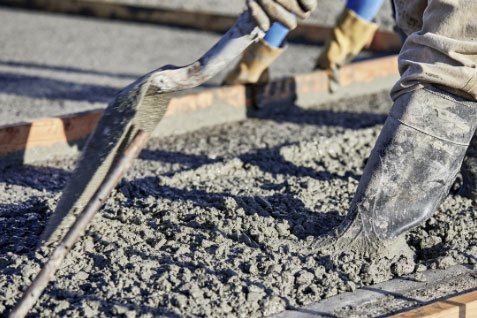
PP fibers are excellent at reducing plastic shrinkage cracks, which occur when concrete is fresh and water evaporates too quickly. The fibers create a web-like structure that holds the mix together, reducing the chances of early-age cracking.
2. Improved Durability
Concrete reinforced with polypropylene fiber is more resistant to impact, abrasion, and freeze-thaw cycles. This makes it especially valuable in harsh environments or where long-term performance is critical.
3. Increased Toughness
The presence of fibers in the mix gives concrete higher post-crack strength, meaning it can absorb more energy without breaking apart. This is particularly useful in industrial floors, pavements, and other high-load applications.
4. Corrosion-Free Reinforcement
Unlike steel mesh or rebar, polypropylene fibers won’t corrode. This makes them a reliable solution for extending the life of structures in moist or aggressive environments.
5. Easy Integration
Our polypropylene fibers are designed for easy dispersion in the mix, requiring no special equipment. They can be added at the batching plant or directly on-site, saving time and simplifying the construction process.
By choosing Mikem’s polypropylene fiber, contractors and manufacturers can achieve stronger, more durable concrete with less maintenance and reduced material waste over time. In addition, our carboxymethylcellulose (CMC) is commonly used in building materials to enhance performance and workability.
Key Applications of Polypropylene Fibers
Polypropylene fiber can be used in a wide range of concrete-based products. Here are some of the most common applications:
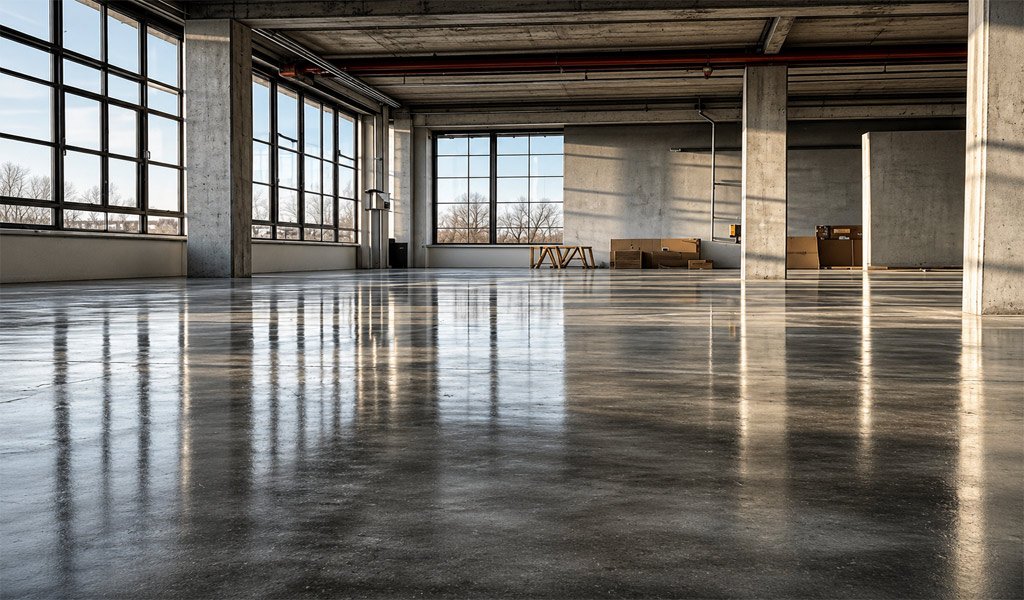
- Industrial and Warehouse FloorsEnhances surface durability and reduces cracking under heavy loads.
- Precast Concrete ElementsImproves handling strength and helps maintain shape during transport and installation.
- Shotcrete and Tunnel LiningsIncreases cohesion and reduces rebound, making it more efficient for sprayed applications.
- Residential Driveways and PavementsReduces cracking and spalling in areas exposed to weather and traffic.
- Mortar, Plaster, and RendersHelps prevent shrinkage cracks and improves workability, especially in hot or windy conditions.