
What are the side effects of hypromellose in vitamins?
What Are the Side Effects of Hypromellose in Vitamins? When purchasing vitamins or dietary supplements, more and more consumers are paying attention to the
Self-leveling mortar has become a popular solution for modern flooring projects. From residential apartments to shopping malls and industrial plants, contractors rely on it to create smooth, flat, and durable surfaces before installing tiles, vinyl, wood flooring, or epoxy coatings.
But what makes self-leveling mortar flow smoothly and still remain stable after hardening?
One of the key ingredients behind its performance is cellulose ether. Even though it is added in a small amount, it plays a big role in workability, water retention, bonding strength, and overall stability.
In this article, we will explain in simple and practical language how cellulose ether works in self-leveling mortar and why it is so important.
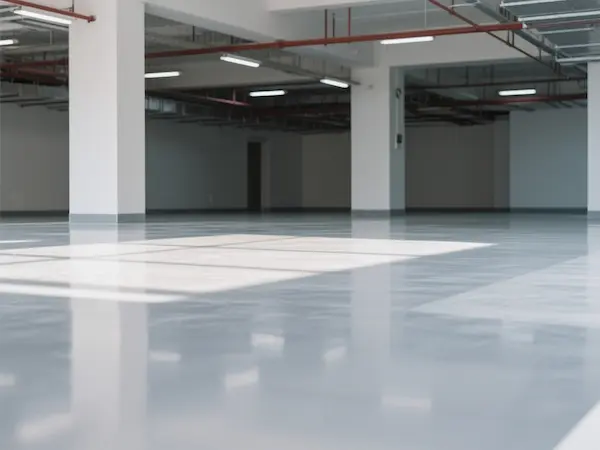
Self-leveling mortar is a cement-based material that can flow and level itself after mixing with water. Unlike traditional mortar, which requires manual leveling tools, self-leveling mortar spreads naturally under its own weight.
A high-quality self-leveling mortar should have:
To achieve all these properties at the same time, manufacturers carefully design the formulation. Among various additives used in dry-mix mortar, cellulose ether is one of the most important.
Cellulose ether is a water-soluble polymer made from natural cellulose. Through chemical modification, cellulose becomes suitable for construction applications.
The most commonly used type in self-leveling mortar is Hydroxypropyl Methylcellulose (HPMC).
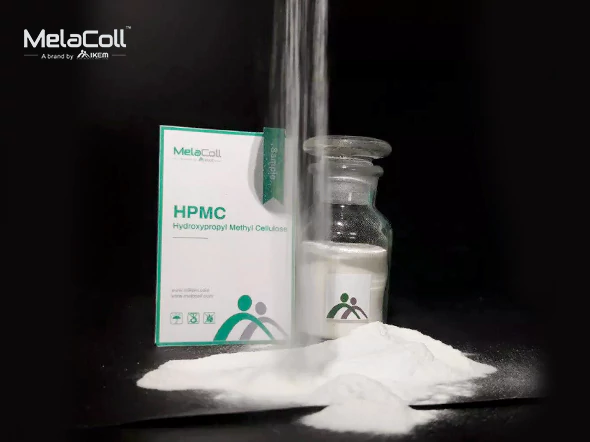
HPMC appears as a white or off-white powder. When mixed with water, it dissolves and forms a thickening solution. Even though the dosage is small, it significantly influences mortar performance.
Other types like MHEC (Methyl Hydroxyethyl Cellulose) are also used in dry-mix mortar, but HPMC is especially popular in self-leveling systems.
Self-leveling mortar must balance flow, stability, and strength. If it flows too much, materials may separate. If it is too thick, it cannot level properly. If water evaporates too quickly, cracks may appear.
Cellulose ether helps solve these problems.
Let’s look at its main functions.
Water plays a critical role in cement hydration. If water is lost too quickly, the cement cannot fully react. This may lead to:
Cellulose ether has excellent water-retention ability. It forms a network structure inside the mortar that holds water more effectively. This helps slow down evaporation and ensures that cement particles have enough time to hydrate properly.
For self-leveling mortar, good water retention means:
In hot or dry climates, this function becomes even more important.
Self-leveling mortar must flow, but the flow must be controlled.
When cellulose ether dissolves in water, it increases the viscosity of the mixture. This may slightly reduce flow compared to a system without cellulose ether. However, this controlled viscosity actually improves overall performance.
Without cellulose ether, the mortar may:
With proper dosage of HPMC, the mortar becomes more stable and easier to control during application. Contractors often notice improved workability and smoother spreading behavior.
In simple terms, cellulose ether helps the mortar flow in a stable and balanced way.
Bonding strength is critical for flooring systems. If the self-leveling layer does not adhere well to the substrate, problems such as hollowing, peeling, or delamination may occur.
Cellulose ether contributes to bonding performance in several ways:
As a result, properly formulated self-leveling mortar can achieve stronger adhesion to concrete or other base materials.
For flooring manufacturers and contractors, this means fewer complaints and better long-term performance.
Another important effect of cellulose ether is its influence on setting behavior.
Cellulose ether can slightly delay the hydration process of cement. This creates a mild retarding effect. In many cases, this is beneficial because it:
However, excessive dosage may lead to overly long setting time and reduced early strength.
Therefore, formulation balance is essential. The goal is to achieve a suitable open time without negatively affecting the final performance.
Many customers ask: Does cellulose ether reduce strength?
The answer depends on dosage and formulation design.
Because cellulose ether increases viscosity and may introduce microscopic air or porosity, very high dosages can influence compressive and flexural strength. In addition, its retarding effect may slightly affect early strength development.
However, when used correctly and in optimized amounts, the overall system can still achieve required mechanical performance.
In fact, improved water retention may help long-term hydration, which supports strength development over time.
The key point is balance. Proper selection of viscosity grade and dosage ensures that workability improvements do not compromise structural performance.
When cellulose ether dissolves in water, it forms a polymer network. This network:
It can also form a thin film structure during drying, which contributes to bonding and stability.
This combination of thickening, water retention, and film-forming properties explains why cellulose ether is so effective in dry-mix mortar applications.
Not all cellulose ethers are the same. Different viscosity grades and substitution levels produce different effects.
When selecting cellulose ether for self-leveling mortar, consider:
Viscosity Grade
Lower viscosity grades are often preferred to maintain good flow while still providing water retention.
Consistency and Stability
Reliable production quality ensures predictable performance in every batch.
Compatibility with Superplasticizers
Self-leveling mortar often contains polycarboxylate superplasticizers. Cellulose ether must work well together with these additives.
Climate and Application Conditions
Hot environments may require stronger water retention performance.
Working with an experienced cellulose ether supplier can help optimize formulation and reduce trial-and-error costs.
Although cellulose ether is added in a small percentage, it has a major influence on self-leveling mortar performance.
It helps:
Without cellulose ether, it would be very difficult to achieve the balanced performance required in modern self-leveling flooring systems.
For dry-mix mortar manufacturers, selecting high-quality cellulose ether is not just a material choice — it is a performance decision.
Self-leveling mortar demands a delicate balance between flowability, stability, and strength. Cellulose ether, especially HPMC, plays a critical role in achieving this balance.
By improving water retention, controlling viscosity, enhancing bonding, and adjusting setting behavior, cellulose ether ensures that self-leveling mortar performs reliably in real construction conditions.
When properly selected and carefully dosed, cellulose ether becomes a powerful tool for producing high-quality, stable, and durable self-leveling flooring materials.
If you are developing or optimizing self-leveling mortar formulations, understanding the role of cellulose ether is an important step toward better performance and long-term success.

MIKEM is a global manufacturer and supplier of specialty chemical products. We are committed to becoming your preferred partner in specialty chemicals with our competitive product portfolio, strong R&D capabilities, and professional formulation expertise .
What Are the Side Effects of Hypromellose in Vitamins? When purchasing vitamins or dietary supplements, more and more consumers are paying attention to the