Fiber vs Cellulose: What’s the Real Difference?
1. Definition
Fiber and cellulose differ fundamentally in how they are defined. Fiber refers to a physical form—materials that are long, thin, and filament-like in shape. It does not describe what the material is made of, only how it exists structurally. In contrast, cellulose is a chemical substance. It is a natural polymer composed of glucose units and is one of the main building blocks of plant structures. While fiber is about form, cellulose is about composition.
2. Scope
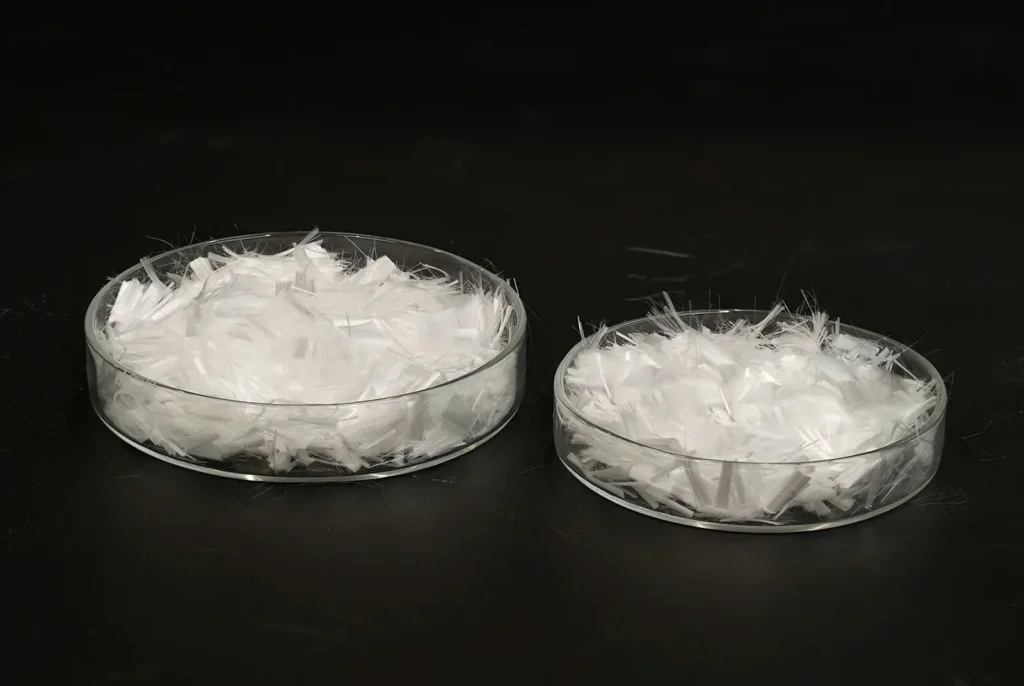
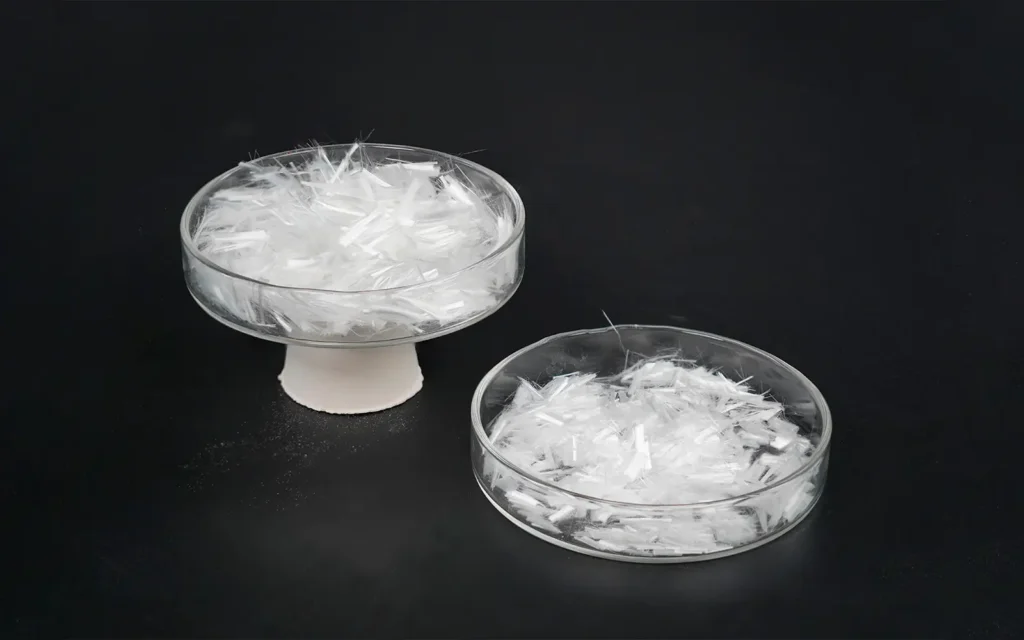
The scope of fiber is much broader than that of cellulose. Fiber is a general category that includes a wide variety of materials, such as synthetic fibers like polypropylene, natural fibers like cotton, and even mineral fibers like glass fiber.
Cellulose, however, is much more specific. It is a single type of natural compound found primarily in plants. Even when it is processed into derivatives, it still originates from this one material, making its scope relatively limited compared to fiber.
In short:
- Fiber is a broad category that includes many materials
- Cellulose is just one specific natural compound
3. Material Types
Because fiber is a general term, it can be made from many different types of materials. These include synthetic polymers, natural plant-based substances, and inorganic minerals. Cellulose, on the other hand, is always plant-based in origin. Although it can be chemically modified into products like cellulose ethers, its core identity remains the same. This means that while some fibers are made of cellulose, many others are not, depending on their source and intended use.
4. Function in Construction
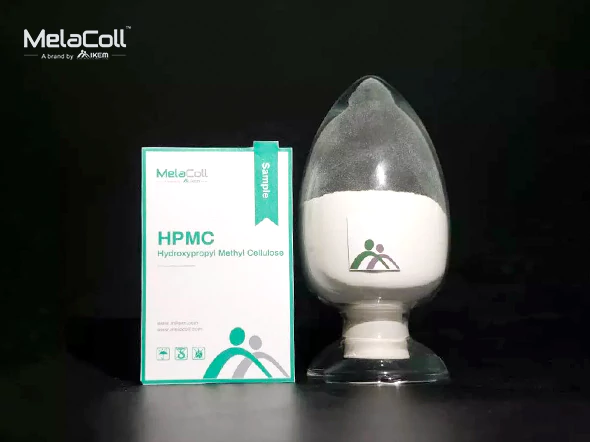
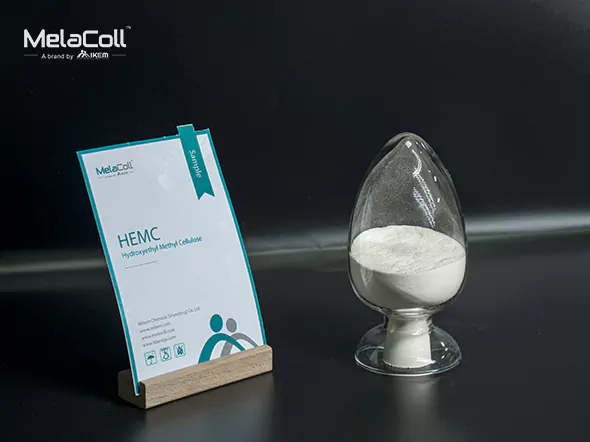
In construction applications, fiber and cellulose serve very different purposes. Fibers are primarily used for reinforcement. When added to materials like concrete, they help reduce cracking, improve toughness, and enhance overall durability. Cellulose and its derivatives, however, are used to improve workability and performance during application. They help retain water, improve consistency, and make materials easier to handle and apply. Rather than strengthening the structure, cellulose-based additives improve how the material behaves before it sets.
In short:
- Fibers:
- Reinforce materials like concrete
- Control shrinkage cracking
- Improve mechanical performance
- Cellulose (and its derivatives):
- Improve water retention
- Enhance workability
- Provide thickening and bonding properties