
The durability and load-bearing capacity of a concrete road pavement rely heavily on two critical factors: a scientifically optimized concrete mix ratio and flawless construction techniques. Even minor miscalculations in the water-cement ratio or oversights during paving can lead to severe early-stage cracking and structural failure.
In this comprehensive guide, we will break down the essential raw materials, the standard mix design, and a step-by-step construction process to ensure your road pavement projects achieve maximum longevity and strength.
1. Essential Materials for High-Performance Concrete Pavement
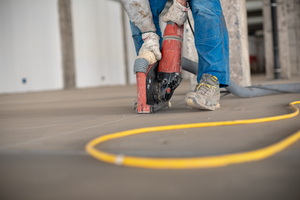
To achieve a resilient road surface, selecting premium raw materials is the foundational step. A standard road-grade concrete mix requires:
- Cementitious Material: Ordinary Portland Cement (OPC) is the industry standard for road construction.
- Coarse Aggregates: Choose hard, crushed stones with a maximum particle size of 30 mm. This ensures high structural density and compressive strength.
- Fine Aggregates: Opt for medium-grade sand featuring a fineness modulus between 2.4 and 2.8. Ensure the clay content remains strictly below 3%.
- Chemical Admixtures: Incorporating a high-performance polycarboxylate superplasticizer (PCE) is crucial. It significantly reduces the water requirement while enhancing the workability, strength, and overall durability of the concrete.
- Water: Clean, impurity-free water.
2. Standard Concrete Mix Design for Road Construction
Based on general traffic volumes and heavy-duty load requirements, engineers must strictly control the water-cement ratio. Below is an optimized reference ratio designed to deliver superior compressive strength and workability for standard cement concrete roads:
| Material | Mass Ratio | Function in the Mix |
| Cement | 2.17 | Primary binder |
| Water | 1.00 | Hydration activator |
| Coarse Aggregate | 6.57 | Structural backbone |
| Fine Aggregate | 3.89 | Void filler |
| PCE Admixture | 0.026 | Workability & strength enhancer |
(Note: Actual ratios should be micro-adjusted based on local environmental conditions and specific project load requirements.)
3. Step-by-Step Construction Technique
Phase 1: Precision Mixing and Transportation
Achieving a homogenous blend requires strict adherence to the feeding sequence. The recommended loading order is: Sand → Cement → Superplasticizer → Crushed Stone → Water.
- Dry Blending: Feed the fine aggregates into the mixer and dry-mix for about 10-15 seconds.
- Admixture Coating: Introduce the cement and PCE superplasticizer. Mix for another 25 seconds to ensure the chemical additives fully coat the sand particles.
- Coarse Integration: Add the crushed stones and mix for 35 seconds.
- Wet Mixing: Finally, add water and blend for approximately two minutes until the slurry is perfectly uniform.
Once mixed, transfer the concrete to an 8m³ transit mixer. To prevent aggregate segregation and moisture loss, the drum should rotate at a slow, continuous speed of 3 rpm during transit. Always conduct a slump test upon arrival at the site—reject any batches that fail to meet workability standards.
Phase 2: Site Preparation and Reinforcement
Before pouring, the sub-base must be meticulously prepared.
- Use high-pressure water jets to clear all dust, leaves, and debris.
- Set up robust steel formworks matching the exact design thickness. Coat the inner surfaces with a release agent to prevent edge damage during removal.
- Lay down a steel reinforcement mesh (typically using Φ10 mm rebar) configured to the project’s specific spacing requirements to enhance tensile strength.
Phase 3: Paving, Compacting, and Finishing
With the site prepped, the concrete is poured. A specialized leveling machine equipped with a vibrating screed is essential here.
The vibrating shafts should penetrate roughly 15 cm deep into the wet concrete. This high-frequency vibration serves two vital purposes: it drives out entrapped air bubbles (preventing internal voids) and forces a rich layer of cement mortar to the surface. This creates an exceptionally smooth, tightly sealed, and highly workable top layer.
4. Advanced Spray Curing to Prevent Early Cracking
Once the concrete reaches its final set, immediate curing is non-negotiable. If water evaporates too rapidly, plastic shrinkage and early-stage micro-cracking will inevitably occur.
The modern solution is applying a liquid curing compound. A blended emulsion of VAE (Vinyl Acetate-Ethylene) and paraffin wax is highly recommended.
When sprayed evenly across the fresh pavement using a mechanized sprayer, this VAE-based agent forms a continuous, impermeable protective film. It boasts a water retention rate exceeding 95%, locking in internal moisture for complete cement hydration while saving thousands of gallons of water compared to traditional wet-burlap curing.
Elevate Your Concrete Projects with Professional Additives
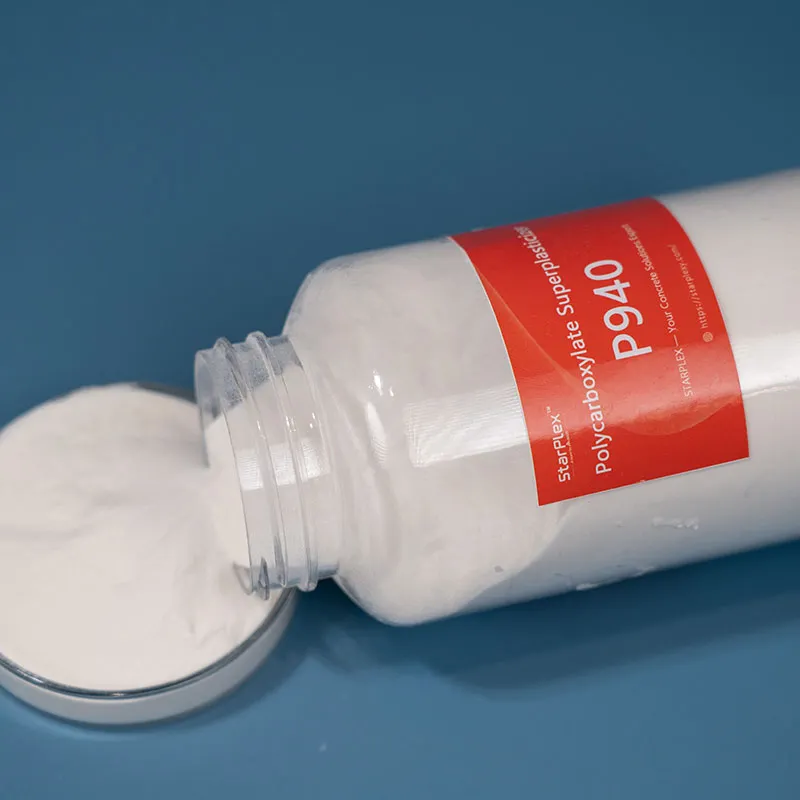
The secret to crack-free, high-load-bearing concrete road pavement lies not just in the aggregates, but in the chemical additives that bind them. From PCE water reducers that maximize compressive strength to VAE emulsions that guarantee perfect curing, selecting the right chemicals is paramount.
At MIKEM, we specialize in high-performance concrete admixtures designed for complex infrastructure projects. Contact our technical team today to optimize your concrete mix design and enhance your construction efficiency.
