What Are the Side Effects of Hypromellose in Vitamins?

When purchasing vitamins or dietary supplements, more and more consumers are paying attention to the ingredient list. Among these, the term “hydroxypropyl methylcellulose (HPMC)” appears frequently, often raising questions: What exactly is it? Is it safe for use in vitamins? Can it cause side effects?

This article provides a systematic overview of its source, mechanism of action, safety, and potential adverse reactions to help you fully understand this common excipient.

What Is Hypromellose?

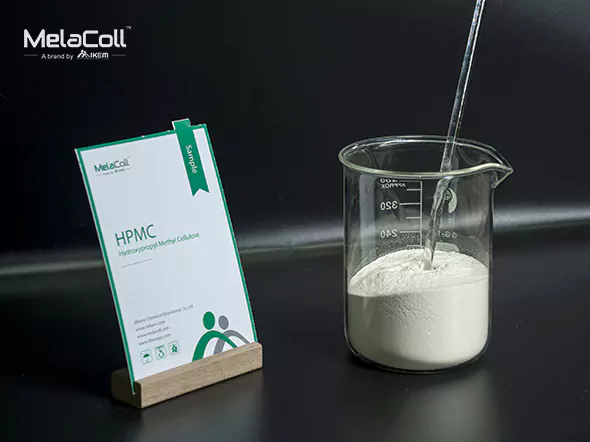
Hypromellose is a semi-synthetic polymer derived from natural plant cellulose through chemical modification. It possesses excellent water solubility, stability, and film-forming properties, making it widely used in the food, pharmaceutical, and health supplement industries.

In vitamin products, hypromellose does not provide nutritional value but serves as a functional excipient. Its most common use is in the production of vegetable-based capsule shells, serving as a substitute for traditional animal gelatin. Additionally, it functions as a tablet coating material, helping to improve product appearance and taste while protecting active ingredients from oxidation or degradation. In certain formulations, HPMC also regulates the rate of release, allowing nutrients to be absorbed by the body more steadily.

Essentially, HPMC is more akin to a “processing material” than a substance intended for absorption by the human body.

What Are the Possible Side Effects of Hypromellose?

Hypromellose is generally considered safe and is widely used in vitamins and medicines. Most people can take it without any problems. However, in some cases—especially for sensitive individuals or under special conditions—it may cause a few side effects.

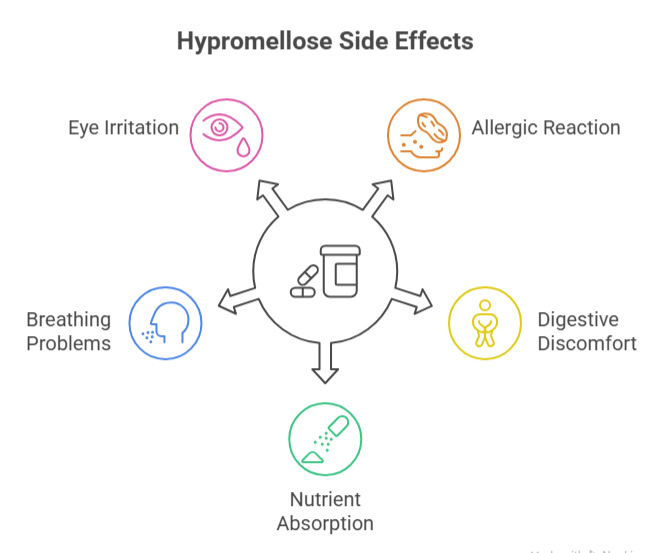
One possible issue is an allergic reaction, although this is very rare. Some people’s immune systems may treat hypromellose as a harmful substance. This can lead to symptoms like skin rash, itching, or swelling. In very serious cases, it may cause breathing difficulty, which needs immediate medical attention.

Another possible side effect is digestive discomfort. Since hypromellose acts a bit like dietary fiber, it can affect how the digestive system works. Some people may feel nausea, stomach pain, bloating, or even have diarrhea. These symptoms are usually mild and temporary, and they are more likely to happen if someone takes a large amount or has a sensitive stomach.

Hypromellose may also affect how the body absorbs nutrients, but this is mostly a theoretical concern. It can form a gel-like substance in the gut, which might slow down the absorption of certain vitamins or minerals. However, in normal use—such as in standard vitamin supplements—this effect is very small and usually not noticeable.

In addition, breathing problems can occur if a person inhales large amounts of hypromellose powder. This is mainly a concern in factories or during manufacturing, not for everyday consumers. It may cause coughing or shortness of breath if inhaled in large quantities.

There is also a chance of eye irritation if hypromellose comes into direct contact with the eyes. This may lead to redness, watering, or discomfort. Again, this is more likely during handling of raw materials rather than from using finished products like capsules.

Overall, these side effects are uncommon and usually mild. For people taking vitamins that contain hypromellose, the risk is very low. Still, it’s a good idea to pay attention to how your body reacts. If you notice any unusual symptoms, stop using the product and consult a doctor—especially if you have allergies or existing health conditions.

Side Effects of Hypromellose

What Is the Role of Hypromellose in Vitamins?

In vitamin formulations, hypromellose plays several important roles, even though it is not an active ingredient.

Its most common use is as a capsule shell material. Hypromellose capsules are often referred to as “vegetarian capsules” because they are derived from plant sources rather than animal gelatin. This makes them suitable for vegetarians, vegans, and consumers seeking clean-label products.

In addition to capsule production, hypromellose is widely used as a film-coating agent for tablets. This coating improves the appearance of the product, masks unpleasant tastes, and protects sensitive ingredients from moisture and oxidation.

Another key function is its use in controlled-release systems. Hypromellose can form a gel-like matrix when exposed to water, allowing active ingredients to be released gradually over time. This helps maintain more stable nutrient levels in the body and enhances product performance.

It may also act as a thickener or stabilizer in liquid vitamin formulations, ensuring consistency and uniform distribution of ingredients.

What Are the Side Effects of Hypromellose in Vitamins?

When specifically used in vitamins, the likelihood of experiencing side effects from hypromellose becomes even lower. This is because the amount used in each capsule or tablet is typically very small.

For most consumers, hypromellose in vitamins does not cause any noticeable effects. It simply passes through the digestive system without interacting significantly with the body.

However, in certain situations, mild gastrointestinal symptoms may still occur. Individuals with sensitive digestive systems might notice slight bloating or discomfort, particularly if they consume multiple supplements or products containing similar excipients.

Allergic reactions remain a possibility, though extremely rare. If symptoms such as rash or irritation appear after taking a supplement, it is advisable to discontinue use and consult a healthcare professional.

There is also a theoretical possibility that hypromellose could influence the absorption rate of nutrients. However, in standard vitamin formulations, this effect is negligible and generally not a cause for concern.

In summary, side effects from hypromellose in vitamins are uncommon, mild, and typically associated with individual sensitivity rather than the ingredient itself.

Why Is Hypromellose Commonly Used in Vitamins?

Despite some minor concerns, hydroxypropyl cellulose remains one of the most widely used excipients in the dietary supplement industry. This is due to its unique combination of functional and commercial advantages.

First, its plant-based origin aligns with the market’s growing demand for vegan and vegetarian products. As consumers pay increasing attention to ingredients, hydroxypropyl cellulose offers a pure and acceptable alternative to gelatin.

Second, it possesses excellent chemical stability. Hydroxypropyl cellulose is unlikely to react with active ingredients, which helps maintain the potency and shelf life of vitamins.

Third, it enhances the user experience. Compared to gelatin capsules, capsules made from hydroxypropyl cellulose have a smooth surface, are easy to swallow, and typically offer superior moisture resistance.

More importantly, within reasonable usage limits, its safety has been verified over the long term. Compared to many other excipients, HPMC strikes a good balance between stability, safety, and applicability.

Is Hypromellose Safe in Vitamins?

Based on current scientific evidence and widespread industry use, hypromellose is considered safe for consumption in vitamins and dietary supplements.

Regulatory authorities around the world have approved its use in food and pharmaceutical applications. Its non-toxic, non-absorbed nature significantly reduces the risk of systemic side effects.

For the average consumer, taking vitamins that contain hypromellose poses no health risk. The amounts used are minimal, and adverse reactions are rare.

That said, as with any ingredient, individual responses can vary. People with known sensitivities or underlying digestive conditions may wish to monitor how their body reacts or consult a healthcare professional if needed.

Final Thoughts

Hypromellose plays a quiet but essential role in modern vitamin formulations. While it doesn’t provide nutritional benefits, it ensures that supplements are stable, effective, and easy to consume.

The evidence clearly shows that hypromellose is safe and well-tolerated when used in vitamins. Any potential side effects are typically mild, rare, and linked to individual differences rather than inherent risks.

For most people, there is no need to worry about hypromellose on a supplement label. Instead, the focus should remain on choosing high-quality products that meet your nutritional needs and lifestyle preferences.