Low-density cement slurries can help address lost-circulation risks in weak or depleted formations. Their higher water content and lower solids loading can, however, make it more difficult to control free fluid and maintain a uniform slurry. The right design depends on the cement, water, extenders, additives, and downhole conditions.
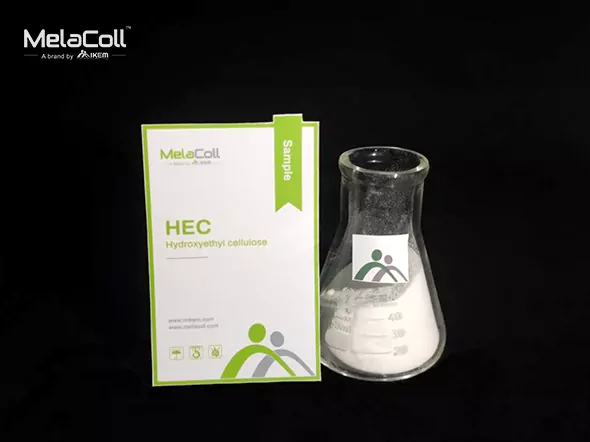
Hydroxyethyl cellulose (HEC) is a water-soluble, nonionic cellulose ether used in some cementing formulations to modify viscosity and fluid-loss behavior. It may contribute to suspension stability in a compatible formulation, but it cannot by itself guarantee annular sealing or prevent settling in every well. Mikem manufactures specialty chemicals, including cellulose ether products, and can provide product information for project evaluation.
Why Low-Density Cement Slurries Can Become Unstable
To reduce slurry density, formulators may increase the water content or use lightweight extenders such as cenospheres. These changes affect the solids volume, rheology, and suspension behavior. Depending on particle properties and the rest of the formulation, solids may separate, lightweight particles may redistribute, or free fluid may develop during static periods.
Such behavior can contribute to nonuniform set cement and compromise zonal isolation. The risk and severity depend on the full formulation and well conditions; outcomes should be assessed with laboratory testing that represents the intended job.

How HEC May Contribute to Cement Slurry Performance
When hydrated, HEC can increase the viscosity of the aqueous phase and change slurry rheology. In some systems, this can help suspend particles and limit fluid movement. HEC is also used in certain formulations to help control fluid loss. The level of benefit depends on the HEC grade and dosage, cement chemistry, water quality, temperature, pressure, and interactions with other additives.
HEC is nonionic, but that does not mean it is universally tolerant of all brines or multivalent ions, or automatically compatible with every dispersant and retarder. It may also affect pumpability, thickening time, and hydration behavior. Test the complete additive package before field use.
Formulation Considerations for HEC in Well Cementing
There is no single HEC dosage or cement recipe that is suitable for every well. Formulation work should begin with the job requirements and representative materials, including the specified oil-well cement, mix water, extenders, and planned additives. Evaluate the complete slurry at conditions relevant to the well, including its anticipated temperature and pressure profile.
- Define performance requirements: Set project-specific limits for density, rheology, fluid loss, free fluid, thickening time, and suspension stability.
- Screen HEC grade and dosage: Use the current technical data for the offered grade as a starting point, then determine an appropriate level through formulation trials.
- Check additive compatibility: Test HEC with the actual dispersant, retarder, fluid-loss additive, and any lightweight extender in the proposed system.
- Balance suspension and pumpability: Higher viscosity may support suspension in some systems, but can also increase pumping pressure or make placement more difficult.
API Recommended Practice 10B-2 / ISO 10426-2 provides test methods for well cement slurries, including slurry stability and free-fluid evaluation. Acceptance criteria should be set for the specific job; a test method does not establish one universal pass value for all operations.

Mixing and Laboratory Evaluation
Follow the HEC supplier’s current handling guidance and the laboratory procedure used for the cement system. Depending on the grade and process, HEC may be incorporated through dry blending or another validated addition method. Mixing order, shear, water chemistry, hydration time, and temperature can affect dispersion and performance, so confirm the procedure with the product data and trial batches rather than relying on a fixed mixing time.
Before field application, assess slurry density, rheology, fluid loss, free fluid, static stability, and thickening time under representative conditions. If the well includes elevated temperature, high salinity, or other challenging conditions, include those conditions in the test program and confirm the compatibility of all components.
Working with Mikem
Mikem is a chemical manufacturer. For HEC selection, request the current technical data sheet and certificate of analysis for the specific grade under consideration, and confirm whether a sample is available for laboratory evaluation. Product selection and field performance should be based on your formulation requirements and test results.
Discuss your well-cementing requirements with Mikem. Contact our team to request product information and check sample availability.