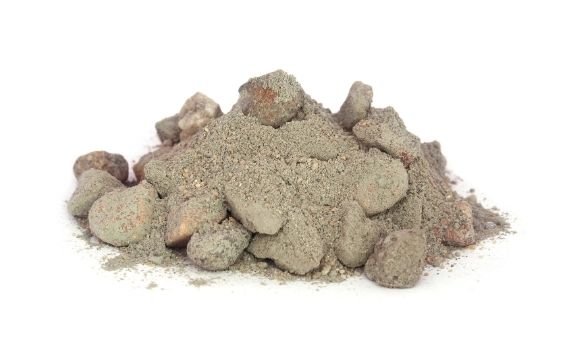
Calcium formate in dry mix mortar is used mainly as a setting accelerator and early-strength additive in cement-based formulations. It can help mortar develop strength sooner and shorten setting time, which may be useful when a project requires faster handling, earlier finishing, or improved performance in cooler conditions.
The right amount is not universal. Calcium formate dosage depends on cement content, binder type, other additives, temperature, water demand, and the required open time. Product data sheets and published formulation studies report different ranges because they use different binders and test conditions. Treat any general dosage as a starting point for laboratory trials, not as a final production formula.
This guide explains how calcium formate works in dry mortar, where it is used, how to estimate a trial dosage, and what to check before scaling up.
What Is Calcium Formate?
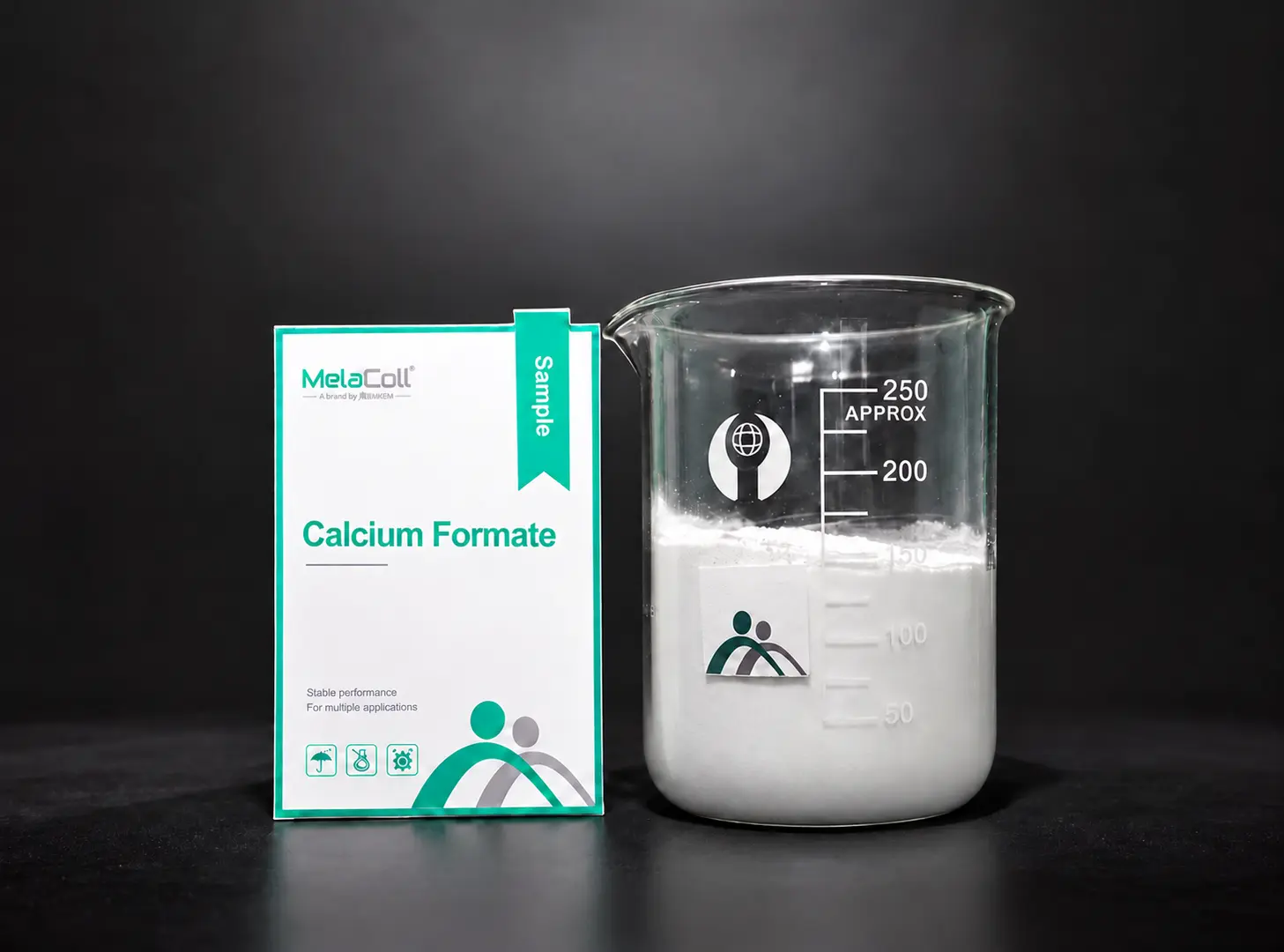
Calcium formate is a white, water-soluble calcium salt with the formula Ca(HCOO)₂ and CAS No. 544-17-2. In dry-mix products, it is supplied as a powder and blended with cement, aggregates, and other functional additives.
In cement-based mortar, calcium formate is primarily used to influence setting and early hydration. Research on cement pastes has reported shorter initial and final setting times and higher compressive strength after calcium formate addition, although the results depend on the cement and formulation tested.
How Calcium Formate Works in Dry Mix Mortar
When water is added to a calcium-formate-containing mortar, the additive dissolves and changes the early hydration environment. In suitable formulations, this can accelerate cement hydration and promote earlier strength development. That can help tile adhesive, repair mortar, grout, and other cement-based products reach handling or service milestones sooner.
The effect is formulation-specific. Calcium formate may also change fresh-mortar behavior, including consistency, workable time, and water demand. An accelerator that works well in one mortar can reduce open time or affect application feel in another. The full mix—not the additive in isolation—determines the result.
Calcium formate is also sometimes selected for cold-weather formulation work, where slower cement hydration can make early strength development more challenging. It does not replace temperature control, protection from freezing, proper curing, or the applicable construction specification.
Common Applications of Calcium Formate in Dry Mix Mortar
Tile Adhesives
Calcium formate may be used in cement-based tile adhesive to support setting and early strength development. Tile adhesive still needs enough open time for placement and adjustment, so the dosage must be balanced with cellulose ethers, redispersible polymer powder, cement, and other ingredients. Some commercial product literature describes calcium formate as part of a formulation designed to combine acceleration with practical application properties; this should be confirmed for the specific product and recipe.
Repair Mortars and Grouts
Repair mortars and grouts may need faster strength gain so that repaired areas can return to service sooner. Calcium formate can be evaluated as one part of an early-strength package. Test flow, setting, bond, and strength at the required ages, because a faster set alone does not prove that a repair formulation meets its performance target.
Renders, Plasters, and Masonry Mortars
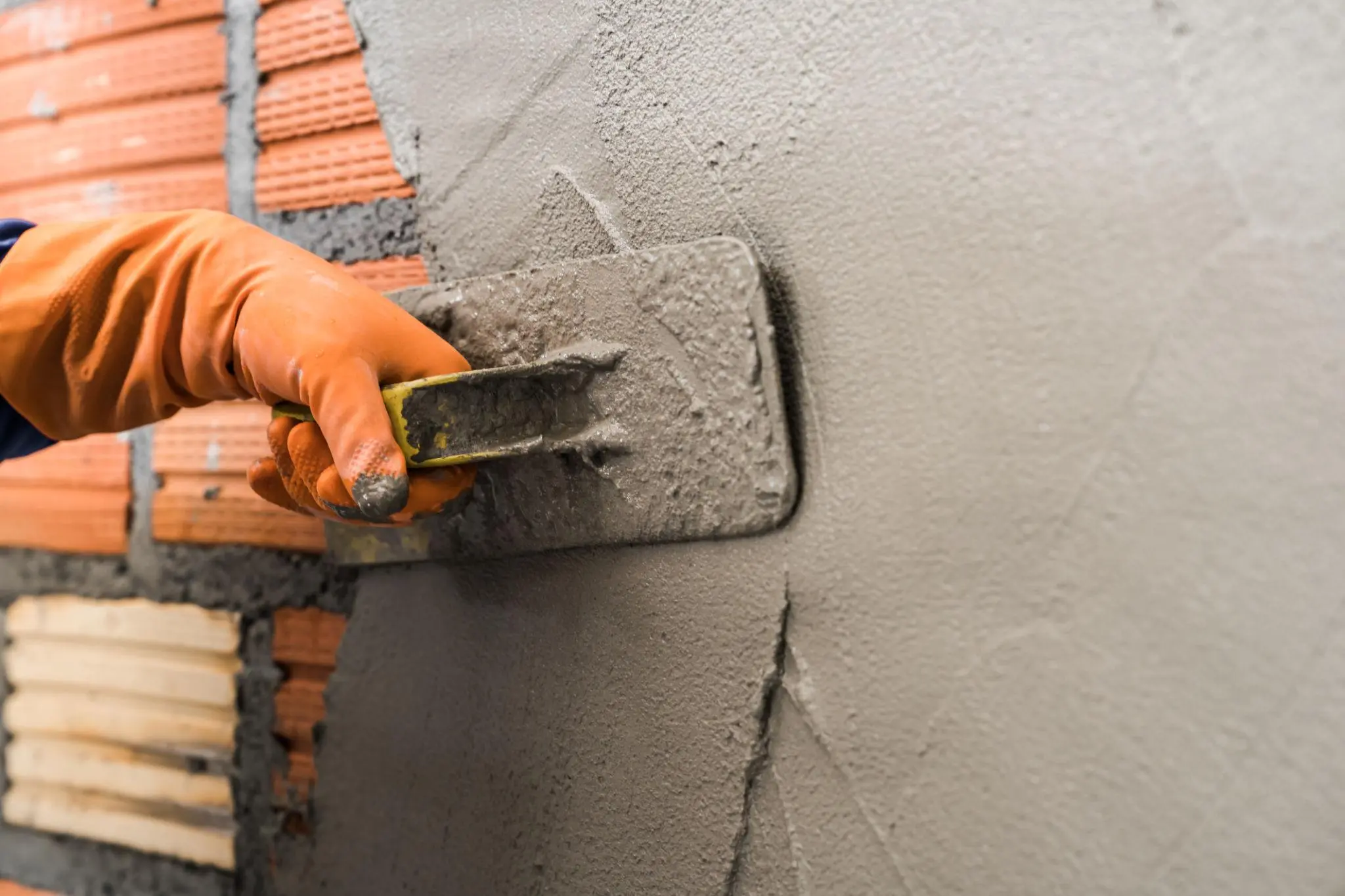
In selected cement-based renders, plasters, and masonry mortars, calcium formate can help control setting and early hardening. The intended application determines the balance between workability, adhesion, finishing time, and early strength. A mix designed for hand application may respond differently from a machine-applied product.
Dry-Mix Concrete Products
Calcium formate may also be used in certain dry-mix cement products and concrete-related formulations. Confirm suitability against the product specification and any relevant local requirements. Do not assume one dosage will perform the same way across tile adhesive, grout, render, and concrete mixes.
Calcium Formate Dosage in Dry Mix Mortar
Published dosage guidance varies. A commercial dry-mix additive data sheet gives a typical range of 0.5–2.0% by weight of cement, while research studies have tested lower or higher rates for specific cement systems and performance targets. For example, one study of pozzolanic cement pastes tested 0.25–0.75% by cement mass, and a low-temperature study reported a suitable range of 1–2% for the mortar system it evaluated. These values are not directly interchangeable because the materials and test conditions differ. commercial dosage guidance, cement-paste study, and low-temperature mortar study
For formulation screening, the product-specific technical data sheet should take priority. Confirm whether the stated percentage is based on cement, total binder, or total dry mortar. That denominator matters.
Example: If a trial target is 1.0% based on 100 kg of cement, the calculation is:
Calcium formate required = 100 kg cement × 1.0% = 1.0 kg
If the recipe contains 30 kg of cement in 100 kg of total dry mortar, 1.0% of cement mass equals 0.30 kg of calcium formate—not 1 kg per 100 kg of dry mortar.
Start with a controlled dosage series around the product recommendation, then compare setting time, workability, open time, and strength at relevant ages. Avoid making a large production change from one small trial result.
Factors That Affect the Required Dosage
- Cement and supplementary materials: Cement chemistry and materials such as slag, fly ash, or limestone filler can change hydration and accelerator response.
- Other additives: Cellulose ethers, redispersible polymer powder, retarders, water reducers, and air-control agents can alter the balance between setting, workability, and adhesion.
- Temperature: Lower temperatures generally slow hydration, while higher temperatures can make a mortar set too quickly. Adjustments should be established through trials, not temperature alone.
- Target performance: A formulation intended for early strength may need a different balance from one designed for longer open time or easier finishing.
- Water and mixing: Water content, mixing sequence, and dispersion affect the observed performance. Follow the dry-mix plant’s validated procedure.
Formulation and Quality-Control Tips
- Check the dosage basis. Record whether the recommendation refers to cement, total binder, or total dry mortar.
- Blend uniformly. Distribute calcium formate consistently through the dry mix to reduce batch-to-batch variation.
- Test the complete recipe. Measure setting time, workability, open time where applicable, adhesion, and compressive strength at the ages relevant to the application.
- Run trials at realistic temperatures. Laboratory conditions should reflect the conditions expected during storage, mixing, and application.
- Scale up gradually. Confirm performance in a pilot or production batch before changing a commercial formula.
Why Choose MIKEM for Calcium Formate?
MIKEM is a chemical manufacturer with production control and quality-management processes focused on reliable product quality. For dry-mix mortar producers, consistent material specifications and dependable batch performance help keep formulations stable from trial work through routine production.
MIKEM supports customers with product specification, quality documentation, packaging, and technical discussions about application requirements. When evaluating calcium formate in dry mix mortar, share the intended application, binder system, target setting behavior, and dosage basis so the product can be assessed against the actual formulation. Final use levels should be confirmed through the technical data sheet and customer trials.
Frequently Asked Questions
What does calcium formate do in dry mix mortar?
It is mainly used as a setting accelerator and early-strength additive in cement-based mortar. Its effect depends on the cement, dosage, temperature, and other formulation ingredients.
What is the typical calcium formate dosage in dry mix mortar?
There is no single universal rate. Published commercial guidance includes approximately 0.5–2.0% by cement mass, while research results vary by binder system and test conditions. Follow the exact product data sheet and validate the dosage in the complete formulation. commercial dosage guidance and published cement research
Can calcium formate be used in tile adhesive?
It can be evaluated in cement-based tile adhesive, where the formulation must balance setting and early strength with open time, workability, and adhesion. Test it with the full recipe rather than selecting a dosage in isolation.
Is calcium formate suitable for cold-weather mortar?
It may be considered in formulations where low temperature slows early hydration. It does not replace safe temperature management, curing, or compliance with project requirements.
Can too much calcium formate cause problems?
Yes. An unsuitable dosage can shift setting and workability away from the target and may affect application performance. Use a dosage series and test the complete mix before scale-up.
Choose the Right Calcium Formate for Your Mortar
The best calcium formate dosage depends on the mortar type, binder system, temperature, and performance target. Start with the supplier’s technical guidance, calculate the rate on the correct binder basis, and verify results with controlled trials.
Looking for a reliable calcium formate manufacturer? Contact MIKEM to discuss product specifications, quality documentation, packaging, and your dry-mix mortar application. You can also explore MIKEM’s Calcium Formate product page or read our guide to dry mix mortar formulation.