

A practical guide to common EIFS and ETICS components, the role of HPMC and RDP in mortar, and system-specific installation and testing considerations.
Learn more about Mikem ‘s latest news and product updates.
Learn more about Mikem ‘s latest news and product updates.
Find the Information You Need

A practical guide to common EIFS and ETICS components, the role of HPMC and RDP in mortar, and system-specific installation and testing considerations.
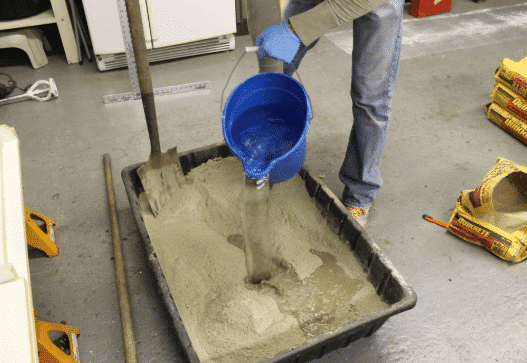
Learn how excess water can affect concrete workability, bleeding, segregation, strength, and durability—and what to check before placing or adjusting a wet batch.
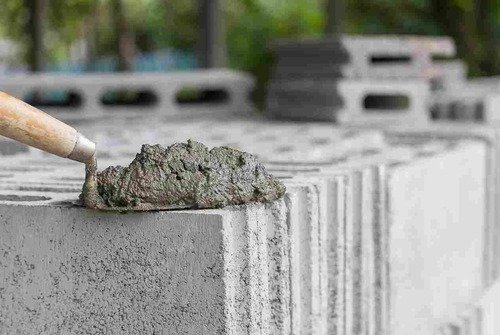
A formulation guide to dry-mix mortar ingredients, ASTM C270 masonry mortar types, and the application-specific roles of HPMC and RDP.
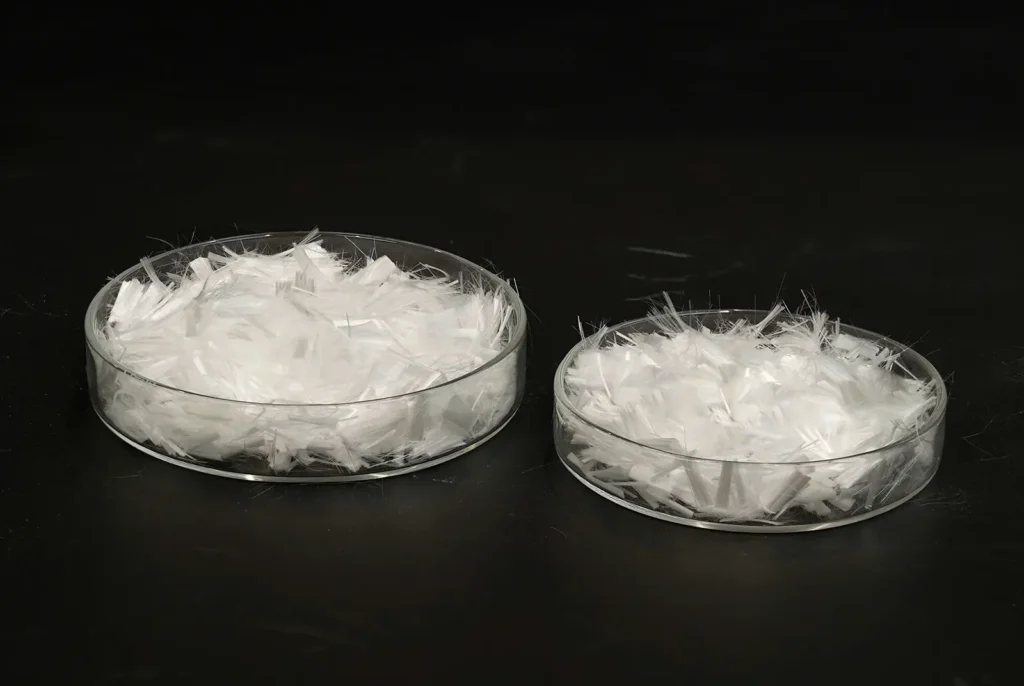
Learn how fiber, cellulose, and cellulose derivatives differ, and how each may be used in concrete or dry-mix mortar.
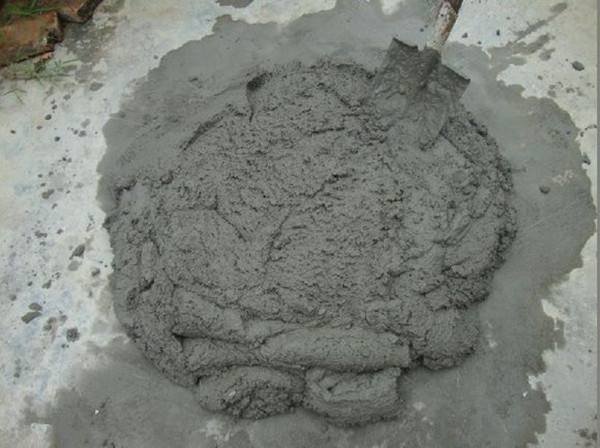
Learn how redispersible polymer powder (RDP) may modify workability, flexibility, crack resistance, and bonding in cement mortar.

Learn how polycarboxylate superplasticizer (PCE) can be used in cement-based self-leveling mortar, including flow, stability, dosage, air content, and formulation considerations.
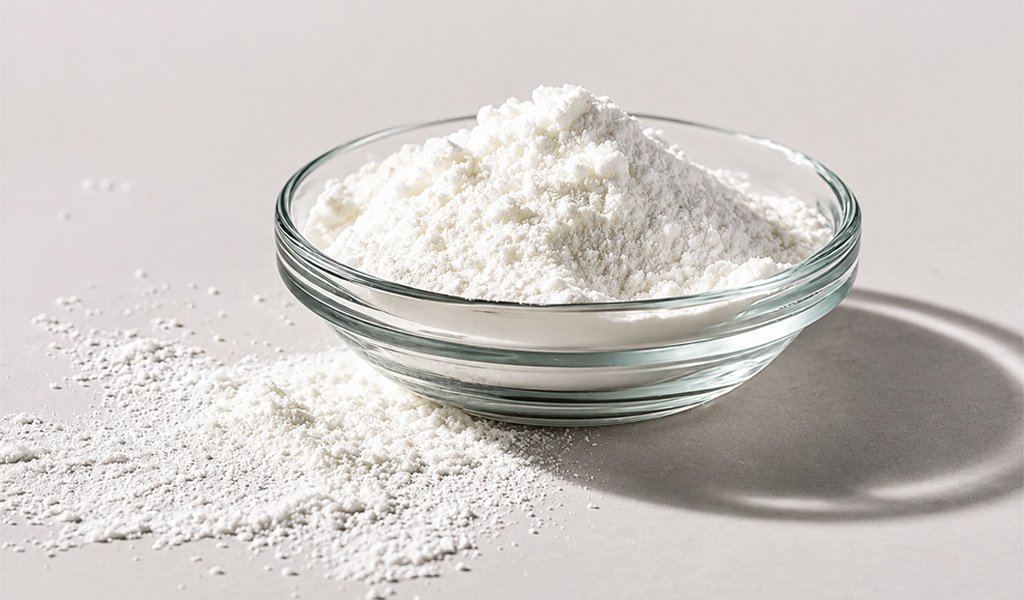
With modern construction trends emphasizing structural lifespan, faster construction speeds, and lower environmental impact, Polycarboxylate Superplasticizer (PCE) has become the most recommended choice.
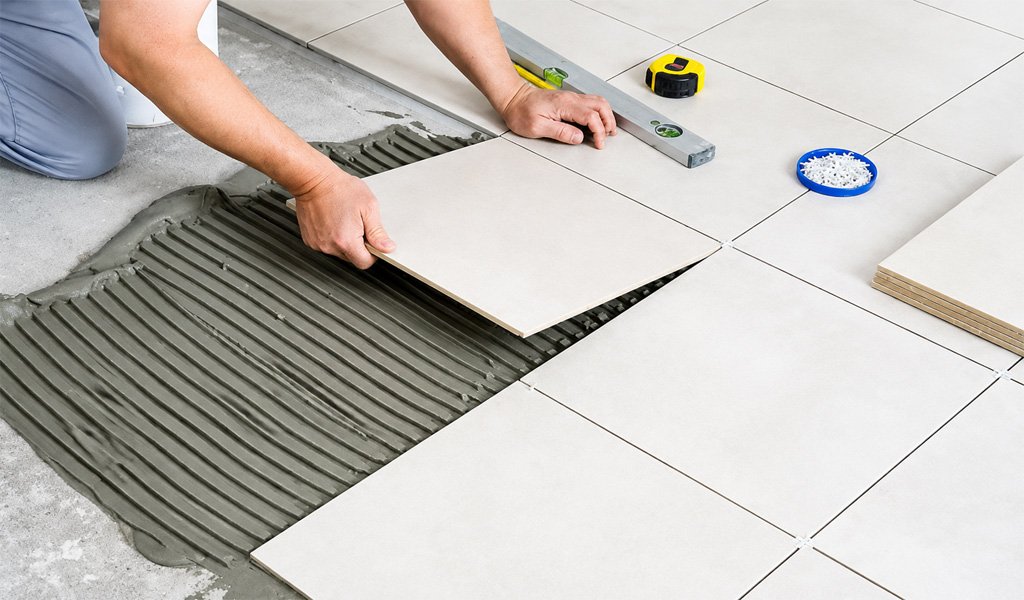
When it comes to tile installation, many people focus on the tiles themselves — their design, texture, or color. But there’s one hidden hero that truly determines how long your tiles will last: the consistency of the tile adhesive.

Cellulose fiber is a natural, plant-based fiber derived from the cellulose found in the cell walls of plants. It is one of the most abundant organic compounds on Earth and is commonly extracted from wood, cotton, or other plant materials.