Concrete needs water for cement hydration and for workable placement. But adding more water than the approved mixture allows can change its water-to-cementitious-materials ratio (w/cm), workability, and hardened performance. A mix that looks easier to place may be more prone to bleeding, segregation, or strength and durability problems.
Whether concrete is “too wet” cannot be determined from appearance alone. The mix design, specified slump or flow, water contributed by aggregates and admixtures, and project requirements all matter. This guide explains common effects of excess water and practical steps for managing a wet batch.
The Role of Water in Concrete
Water participates in cement hydration and contributes to the paste’s workability. The amount of water is considered together with cement and other cementitious materials as the w/cm ratio. A higher w/cm generally reduces potential strength and durability when other mixture variables and curing conditions are comparable. There is no single “optimal” w/c range for all concrete; the mixture must meet the required strength, exposure, workability, and placement criteria.
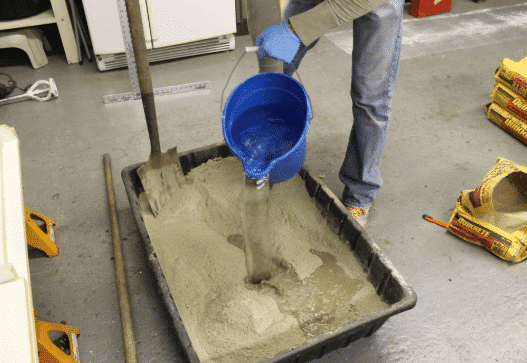
Water is not the only source of moisture in a batch. Aggregate moisture, wash water, and liquid admixtures may also affect total mixing water. Follow the approved mix design and adjust for aggregate moisture as required by the producer’s procedures.
Common Effects of Excess Water
Bleeding and Segregation
Bleeding is the upward movement of water as solid particles settle in fresh concrete. Segregation is separation of the mixture’s constituents, such as coarse aggregate separating from mortar. These are related fresh-concrete problems but are not identical. Excess water can increase their likelihood in some mixtures, though grading, proportions, admixtures, placement, and finishing also matter.
Reduced Strength Potential
Increasing the w/cm can lower the strength potential of hardened concrete. The size of the effect depends on the materials, mixture proportions, consolidation, curing, and test conditions. A percentage strength loss cannot be reliably inferred from a small water addition without mixture-specific data.
Shrinkage and Cracking Risk
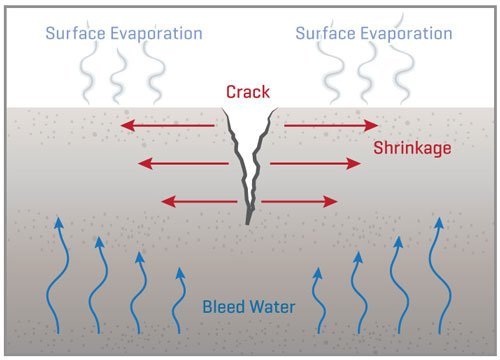
Excess mixing water may increase drying shrinkage and contribute to cracking risk. Plastic-shrinkage cracking occurs while concrete is still plastic when surface evaporation outpaces the supply of bleed water. Weather, concrete temperature, finishing, reinforcement, jointing, and curing also influence cracking.
Permeability and Durability
A higher w/cm can leave a more porous cement paste, which may increase transport of water or aggressive substances through the concrete. This can affect durability, including resistance to freeze-thaw exposure or reinforcement corrosion, depending on the concrete’s air system, cover, curing, exposure, and other design details.
Weak or Dusting Surfaces
Excessive bleeding or finishing bleed water into the surface can produce a weaker surface layer and may contribute to dusting, scaling, or poor wear resistance. Do not work bleed water back into the concrete during finishing.
Formwork and Placement Concerns
Very fluid concrete can create placement and finishing challenges. Formwork pressure depends on factors such as placement rate, temperature, setting behavior, vibration, and mixture properties; excess water alone does not determine the pressure. Follow formwork design limits and the placement plan.
How to Assess Workability: The Slump Test
The slump test, conducted according to the applicable test method (such as ASTM C143/C143M), measures consistency of fresh concrete. It does not directly measure the w/cm ratio or prove that a batch contains too much water. A high slump may be intentional and achieved with a water-reducing admixture. Compare the measured result with the approved mix design and project acceptance limits.
Testing should be performed by trained personnel using the specified equipment and procedure. If results are outside the project limits, consult the concrete supplier or responsible engineer before making adjustments.
What to Do If a Concrete Batch Seems Too Wet
Before Placement
Pause and verify the batch ticket, measured water additions, aggregate moisture correction, and specified slump. Do not add cement or aggregate informally to “soak up” water: changing proportions can create a different, unapproved mixture. Contact the producer or project engineer and follow the approved procedure for any adjustment or rejection.
During Placement and Finishing
Do not add water at the point of placement unless the concrete producer’s procedure and project requirements specifically allow it, and the addition is measured and documented. Avoid over-vibration, which can contribute to segregation in some mixtures. If bleed water appears, wait for it to evaporate or use an approved removal method before finishing; do not trowel it into the surface.
After Hardening
If there is concern that placed concrete does not meet specified requirements, consult the engineer of record. Rebound-hammer readings can provide an indication of surface hardness but do not replace acceptance testing or a structural assessment. Core testing may be appropriate when specified or directed by the engineer. Decisions about repair, strengthening, or removal depend on test results and structural evaluation.
Improve Flow Without Uncontrolled Water Addition
When a mix needs greater workability, an approved water-reducing admixture may help achieve the required consistency with less mixing water, subject to compatibility testing and the concrete producer’s mix design. Admixtures do not guarantee a particular strength or impermeability; the complete mixture still needs to meet project requirements.
MIKEM manufactures construction chemicals, including polycarboxylate superplasticizers for concrete formulations. Cellulose ethers such as HPMC are used in selected mortar and dry-mix applications and should not be treated as interchangeable with concrete water reducers. Product choice depends on the application and formulation.
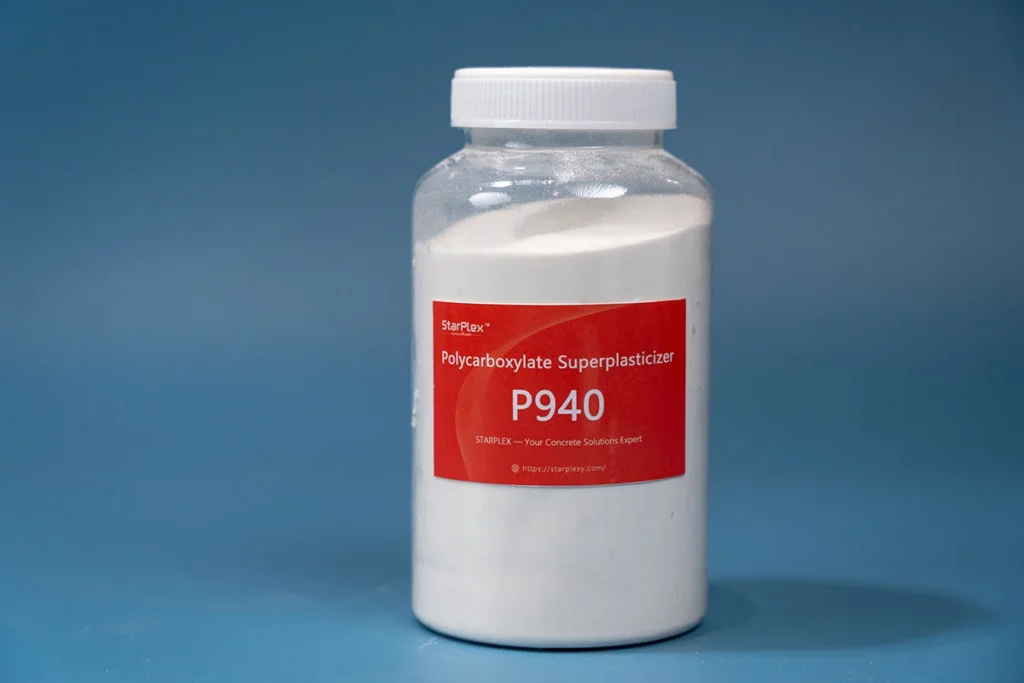
Learn about MIKEM liquid polycarboxylate superplasticizer or powder PCE.
Choose Admixtures for the Intended Application
Concrete and mortar additives serve different formulation needs. MIKEM’s construction chemicals portfolio includes water-reducing admixtures and cellulose ether products for relevant applications. Review the current technical data and confirm performance in the actual mix before use.
Need information for a concrete or mortar formulation? Contact MIKEM to discuss the application and request current product data.