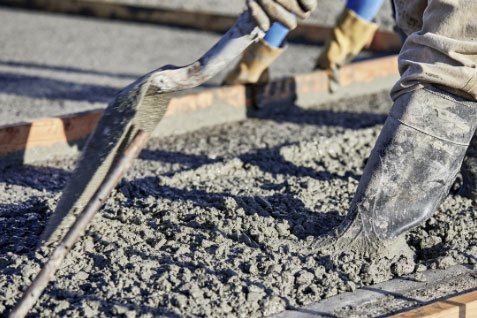
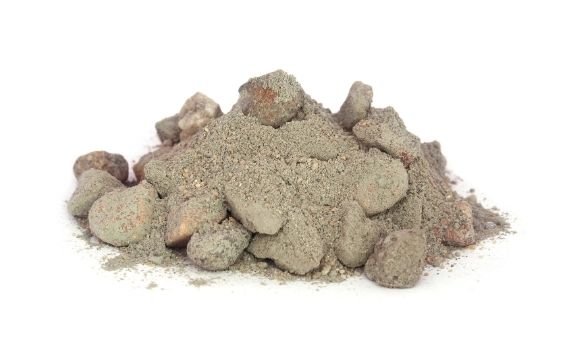
Choosing the right HPMC grade for tile adhesive is not simply a matter of selecting the highest viscosity number. Hydroxypropyl methylcellulose (HPMC) is a functional cellulose ether used in cement-based tile adhesive to influence water retention, consistency, workability and open time. The right grade depends on the complete dry-mix formula, the installation conditions and the performance targets of the finished product.
For manufacturers, the selection process should combine product specifications with repeatable formulation testing. This guide explains which properties to evaluate, how to compare grades and how MIKEM can support HPMC selection for construction applications.
Why HPMC matters in tile adhesive
Tile adhesive must remain workable after mixing, spread evenly, hold a consistent ridge profile and retain moisture while cement hydration develops. HPMC contributes to the fresh mortar’s water retention and rheology. Depending on the grade, dosage and formula, these effects can support application, help maintain a suitable working window and improve consistency during use.
HPMC is one part of a system. Cement type, sand grading, redispersible polymer powder, fillers, other additives, water content and mixing procedure all influence the final behavior. A grade that performs well in one formula may not deliver the same result in another. That is why selecting HPMC by a single data-sheet value rarely gives the full answer.
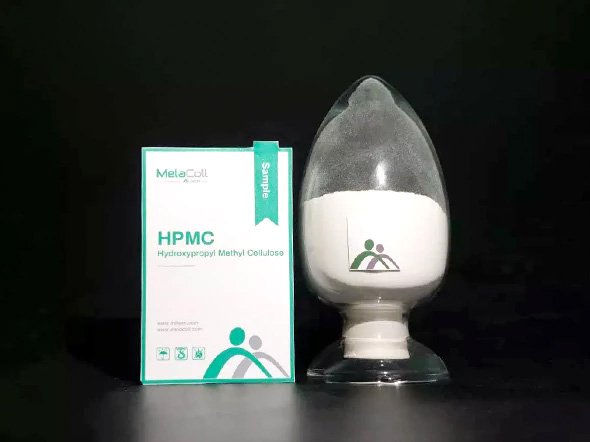
Start with the tile adhesive’s performance targets
Before comparing HPMC grades, define the product and its intended use. Consider the tile type and size, whether the adhesive is for walls or floors, the substrate, the application temperature and the expected installation conditions. Then identify the main formulation challenge. Is the mortar losing water too quickly? Is the open time too short? Does it feel difficult to spread, show excessive slip or vary from batch to batch?
Clear targets help make each trial useful. A wall adhesive may require a balance between smooth spreading and resistance to tile slip. A product for large-format tiles may call for careful evaluation of open time and tile transfer. Products for highly absorbent substrates or warmer application conditions may need particular attention to moisture retention. In each case, evaluate HPMC in the complete formulation rather than assuming that one grade will solve every issue.
Key criteria for selection of HPMC Grade for Tile Adhesive
1. Compare viscosity under consistent conditions
Solution viscosity is a useful screening value, but only compare values measured using the same concentration, temperature, preparation procedure and test method. If the test conditions differ, the numbers may not be directly comparable.
In the finished adhesive, viscosity can influence consistency and water retention, but its effect depends on the formula and dosage. Higher viscosity is not automatically better. Excessive thickening may make mixing and troweling more difficult or affect wetting and transfer to the tile. Use viscosity to narrow the options, then confirm performance in the dry mix you intend to manufacture.
2. Evaluate water retention in the complete formula
Water retention helps keep moisture available during application and early cement hydration. Compare candidate HPMC grades in the same formulation and under the same test procedure. Keep the cement, aggregate, polymer powder, other additives, water addition and mixing conditions consistent so that the comparison is meaningful.
Do not judge tile adhesive performance from an HPMC solution alone. The other ingredients and the substrate can change how the mortar behaves. Include the substrates and application conditions that matter to your customers when validating the formula.
3. Assess open time and workability together
Open time is the period during which applied adhesive remains suitable for tile placement. HPMC can affect this property through its contribution to water retention and rheology. However, temperature, humidity, airflow, substrate absorption and application thickness also affect the practical working window.
Record test results alongside application observations: ease of spreading, ridge formation, surface condition, tile transfer and how the adhesive feels after mixing and resting. A formula that improves one measured result but becomes unpleasant to apply may not be the best commercial choice. The goal is a balanced performance profile for the intended job conditions.
4. Check slip resistance and consistency
For vertical applications, assess whether tiles stay in position after placement and whether the adhesive maintains a usable profile. Also look for consistent texture and application behavior between batches. These outcomes depend on the entire formulation, so avoid attributing them to HPMC alone. If a change in HPMC is made, review the supporting ingredients and water ratio as well.
5. Review dissolution, dispersion and mixing
Production and job-site mixing both matter. Review how the HPMC disperses in the dry blend and how quickly the mortar becomes uniform after water is added. Follow the recommended mixing sequence, and compare candidate grades using the same equipment, mixing time, water addition and rest time.
Inconsistent dispersion can create lumps or uneven behavior and obscure the real differences between grades. A repeatable mixing process helps manufacturers make a fair comparison and gives customers clearer application instructions.
A practical HPMC grade-selection process
- Set a baseline. Record the existing formula, raw materials, water ratio, mixing sequence and performance results.
- Define the target. Identify the key properties to improve and the application conditions the product must handle.
- Shortlist candidate grades. Use product specifications and technical discussion to select a manageable number of grades for evaluation. MIKEM’s construction-grade HPMC page provides product information and a starting point for discussing application requirements.
- Run controlled trials. Keep the formulation and test conditions consistent. Where practical, change one factor at a time so that the effect is easier to interpret.
- Measure relevant properties. Compare water retention, open time, slip behavior, workability, mixing and tile transfer using methods appropriate to your product specification.
- Confirm at production scale. Recheck the preferred grade in the plant process and under representative application conditions before finalizing the specification.
Keep a record of the HPMC Grade for Tile Adhesive, batch details, dosage, water addition, mixing conditions, substrate and results. This makes future formulation changes easier to review and helps the technical and production teams understand why a grade was selected.
Common mistakes to avoid
- Choosing by viscosity alone: Use viscosity as one screening parameter, then test the complete tile adhesive.
- Copying another formula’s dosage: Raw materials, production methods and performance targets vary, so a dosage that works elsewhere may not transfer.
- Changing several ingredients at once: This makes it difficult to identify which change caused an improvement or a problem.
- Ignoring application conditions: Check laboratory findings against the temperatures, substrates and installation methods the product is designed for.
- Skipping production validation: A laboratory result should be confirmed at a representative scale before a grade is adopted.
How MIKEM supports HPMC selection
Choosing a suitable grade is easier when the supplier understands both the material and the application. MIKEM presents itself as a manufacturer of specialty chemicals and provides construction-grade HPMC alongside technical and formulation support. Its website describes manufacturing, quality management, product development and application testing as parts of its capabilities.
For tile adhesive manufacturers, this support can help structure grade evaluation around the formulation’s actual needs. Discussions can begin with the target viscosity range and application, then consider water retention, workability, open time, slip behavior, dissolution and the production process. Product specifications and repeatable testing remain essential; technical discussion helps identify which grades to test and what information to compare.
MIKEM also describes support for customized product grades and specifications based on customer requirements. Where a standard option does not meet a project’s targets, manufacturers can discuss the required properties, test conditions and next steps with the MIKEM team. Any proposed grade should still be validated in the customer’s own formula before commercial adoption.

Frequently asked questions
Is higher-viscosity HPMC always better for tile adhesive?
No. Higher viscosity may influence water retention and consistency, but it can also make a formula harder to mix or apply. The appropriate grade is the one that meets the product’s performance targets in controlled trials.
Can one HPMC grade be used for every tile adhesive?
Not necessarily. Tile size, substrate, cement, other additives, climate and application requirements differ. Select a grade based on the intended formula and use conditions.
What information should I provide when requesting an HPMC recommendation?
Share the adhesive type, current formulation challenges, target properties, viscosity measurement method, dosage range, mixing process and application conditions. This gives technical teams a useful basis for recommending grades to evaluate.
Choose HPMC Grade for Tile Adhesive through formulation testing
The right HPMC Grade for Tile Adhesive balances viscosity, water retention, open time, workability, slip resistance and production requirements in the complete formula. Product specifications can help shortlist candidates, but repeatable testing in the intended formulation is the practical way to confirm a selection.
Need help evaluating HPMC Grade for Tile Adhesive formulation? Visit MIKEM’s construction HPMC page to review product information, then contact MIKEM with your application, target properties and current formulation challenge. The team can discuss suitable grades and technical evaluation steps with you.