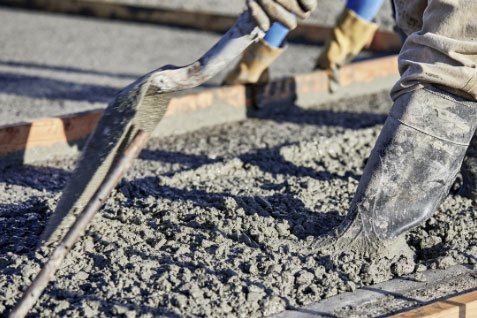
A gypsum retarder in gypsum plaster helps extend the time available for mixing, applying, and finishing plaster before it sets. This can matter on projects where workers need more time to cover large areas, manage multiple batches, or achieve a consistent surface finish.
Choosing a retarder involves more than adding a fixed amount to the mix. Gypsum source, plaster formulation, water content, temperature, and other additives can all affect setting behavior. An unsuitable dosage may delay hardening too much or change the plaster’s strength and surface quality.
This guide explains how gypsum retarders work, where they are used, and how manufacturers can assess dosage through controlled testing.
What Is a Gypsum Retarder?
Gypsum retarder is an additive used to slow the setting of gypsum-based materials. In gypsum plaster, it gives the applicator a longer workable period between mixing and initial set.
The retarder does not replace gypsum or change the purpose of the plaster. Instead, it helps formulators adjust how quickly the material transitions from a workable paste to a hardened layer. The effect depends on the retarder chemistry and the characteristics of the full formulation.
A gypsum retarder in gypsum plaster is commonly considered when the standard setting time does not suit the production process or job-site conditions.
How Does a Gypsum Retarder Work?
Gypsum plaster sets as calcium sulfate hemihydrate reacts with water and forms calcium sulfate dihydrate crystals. A retarder can influence the early stages of this process, slowing crystal formation and extending the time before the mix loses workability.
The practical result is a longer window for:
- Mixing and transferring the plaster
- Applying it to walls or ceilings
- Spreading and leveling the material
- Correcting surface irregularities
- Coordinating work across a larger area
The exact effect is formulation dependent. A gypsum retarder in gypsum plaster should therefore be evaluated in the actual product recipe rather than judged by a general dosage figure alone.
Why Control the Setting Time of Gypsum Plaster?
More Time for Application
On larger surfaces, applicators may need additional time to distribute and level the plaster. A suitable retarder can help keep the mix workable during the planned application period.
Smoother Finishing
Finishing requires timing. If plaster sets too quickly, workers may have less time to correct the surface. Adjusting the setting profile can help align the material’s behavior with the finishing method.
Better Batch Coordination
Dry-mix manufacturers and contractors often work with repeated batches. A predictable setting window can make it easier to coordinate mixing, transport, application, and finishing.
Adaptation to Site Conditions
Temperature and other job-site conditions can influence setting. A retarder may help formulators adjust the plaster for expected conditions, provided the final mixture is tested under representative temperatures.

Applications of Gypsum Retarder in Gypsum Plaster
A gypsum retarder can be considered in several gypsum-based systems, depending on the product design and intended use:
- Gypsum wall plaster: Helps adjust working time for wall application and leveling.
- Ceiling plaster: Supports application and finishing where access or surface area affects the work sequence.
- Machine-applied plaster: Can be evaluated when production and application equipment require a defined setting window.
- Skim coats and finishing compounds: May help provide more time for spreading and surface correction.
- Gypsum-based dry-mix mortars: Allows manufacturers to tune setting behavior for specific formulations.
- Decorative gypsum finishes: Can be considered when the application method calls for additional handling time.
The required setting profile can differ from one application to another. A gypsum retarder in gypsum plaster should be selected according to the product’s use, equipment, and performance requirements.
Factors That Affect Retarder Dosage
There is no single dosage that works for every gypsum plaster. The appropriate amount depends on the following factors:
Gypsum Source and Reactivity
Different gypsum materials can have different setting characteristics. Changes in the raw material source or production process may alter how the plaster responds to a retarder.
Water-to-Gypsum Ratio
Water content affects the mix’s consistency and setting behavior. The retarder should be tested at the intended water addition rather than evaluated in isolation.
Other Formulation Additives
Cellulose ethers, starch ethers, air-entraining agents, and other ingredients may affect workability or setting. Compatibility should be checked in the complete formulation.
Temperature
Temperature can influence both the material and the working environment. Test at temperatures representative of storage, production, and application conditions.
Target Working and Setting Times
The desired working period depends on the application method and job requirements. A machine-applied plaster may have different timing needs from a hand-applied product.
How to Test a Gypsum Retarder in Gypsum Plaster
A controlled trial helps manufacturers identify a suitable dosage and assess the effect on the finished material.
- Prepare a control formulation. Make a batch without retarder so you have a baseline.
- Check the product guidance. Use the supplier’s technical recommendations to choose trial levels.
- Test several dosages. Keep the rest of the formulation and mixing procedure consistent.
- Measure fresh performance. Record mixing behavior, workability, application time, and setting time.
- Assess the hardened plaster. Check surface finish, adhesion, and strength against product requirements.
- Repeat under relevant conditions. Test expected temperatures and production or application methods.
- Record the results. Document the raw materials, dosage basis, mixing sequence, and performance.
Because even a small dosage change may affect setting, accurate weighing and consistent mixing are important. If the gypsum source or formulation changes, repeat the evaluation.
Common Formulation Mistakes
- Using a dosage from a different gypsum source without testing
- Comparing dosages calculated on different weight bases
- Testing the retarder without the other formulation additives
- Increasing the dosage without checking the hardened plaster
- Ignoring temperature and mixing conditions
- Assuming a longer setting time always means better workability
The aim is to find a balanced setting profile that supports application while meeting the plaster’s performance requirements.
Choosing a Gypsum Retarder Supplier
For manufacturers, reliable product specifications and batch consistency help make formulation work more predictable. It is useful to discuss the gypsum type, target setting time, application method, and other additives when evaluating a retarder.
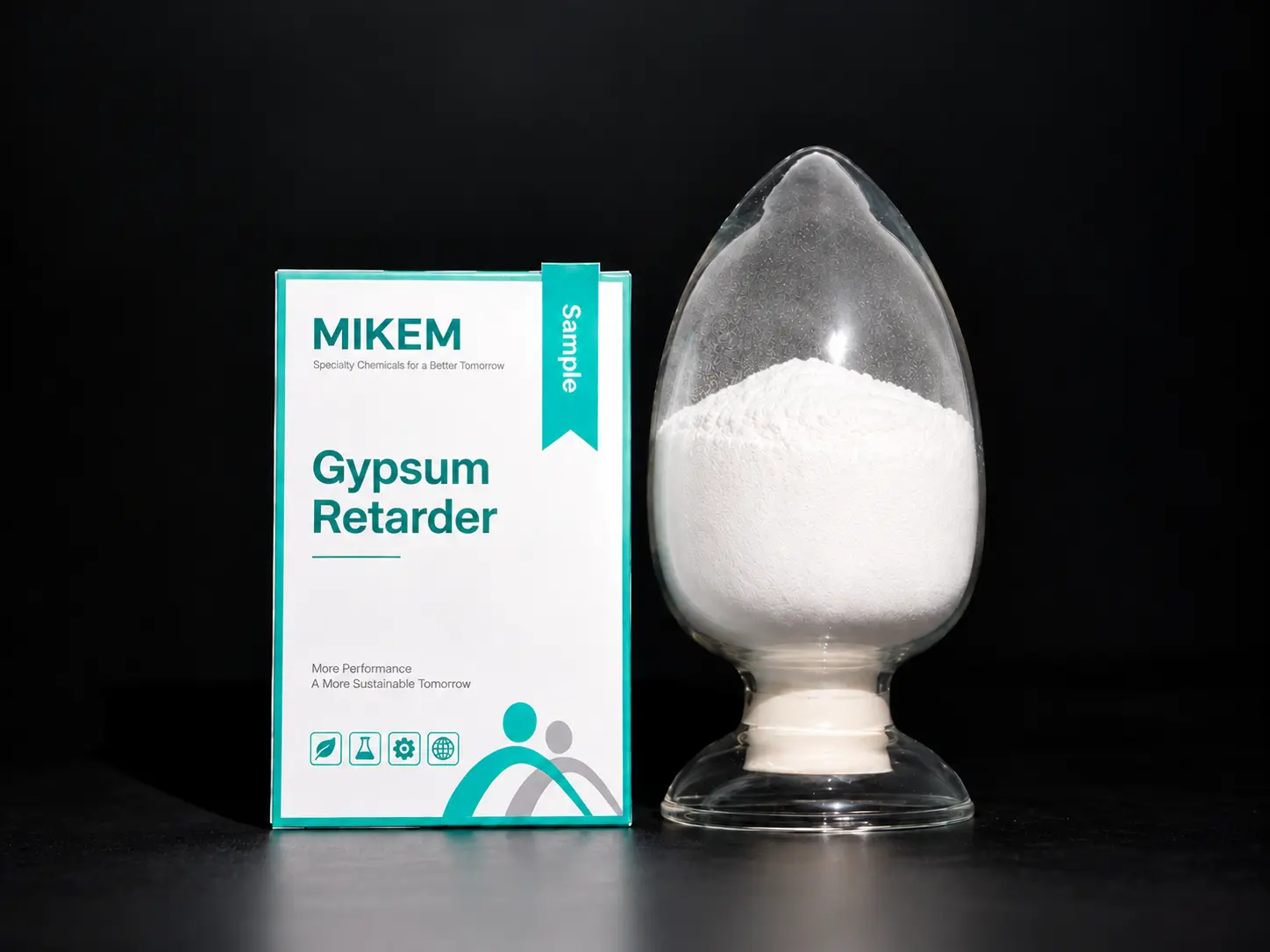
MIKEM is a chemical manufacturer with production and quality management processes. The company supports customers with product specifications, quality documentation, packaging options, and application-related discussions. These details can help manufacturers assess whether a gypsum retarder is suitable for their gypsum plaster formulation.
For project-specific use, confirm the recommended dosage with the product documentation and validate it through trials using the actual materials and process.
Frequently Asked Questions
What does a gypsum retarder do in gypsum plaster?
It slows the setting process, extending the time available to mix, apply, and finish the plaster. The result depends on the gypsum and the complete formulation.
How much gypsum retarder should I use?
There is no universal dosage. Start with the supplier’s product guidance, then run controlled trials with the actual gypsum and additives.
Can a gypsum retarder affect plaster strength?
It can affect setting and strength development, especially if the dosage is unsuitable. Evaluate both fresh and hardened properties before finalizing the formulation.
Can I use the same dosage for hand-applied and machine-applied plaster?
Not necessarily. The equipment, mixing process, application speed, and required working time may differ. Test each formulation for its intended application.
Should I retest when the gypsum source changes?
Yes. Changes in gypsum source or reactivity can affect setting behavior, so a new trial may be needed.
Conclusion
A gypsum retarder in gypsum plaster can help manufacturers adjust working time for application, leveling, and finishing. Its performance depends on gypsum characteristics, water content, other additives, temperature, and dosage. Controlled trials are the practical way to find a setting profile that fits the intended product and use.
Looking for a gypsum retarder for your formulation? Contact MIKEM to discuss product specifications, packaging, and application requirements. Explore the MIKEM Gypsum Retarder product page for more information.