

Grid-structured polypropylene fiber for crack control, stronger concrete performance, and long-term durability across infrastructure and industrial construction.
PRODUCT OVERVIEW
What Is Polypropylene Fiber (Mesh)?
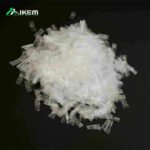
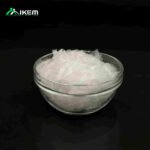
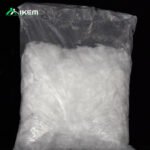
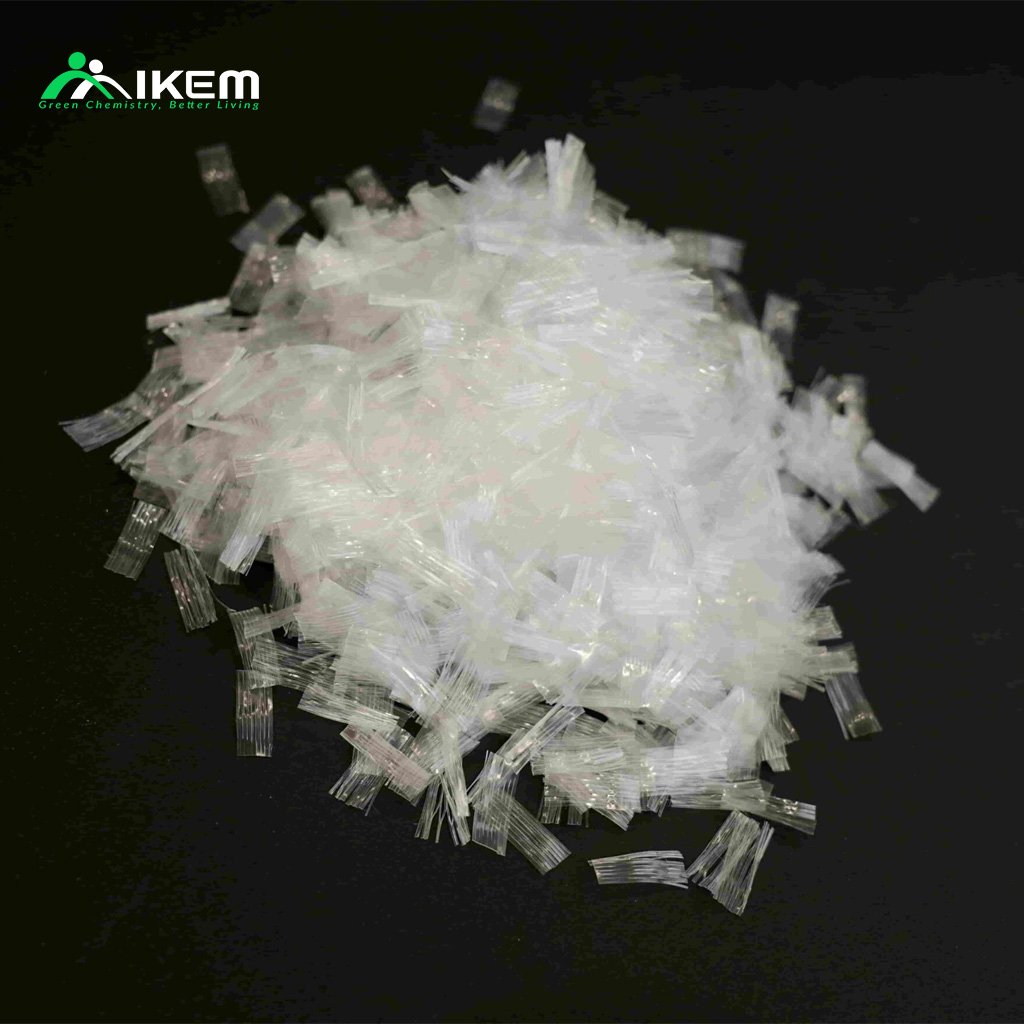
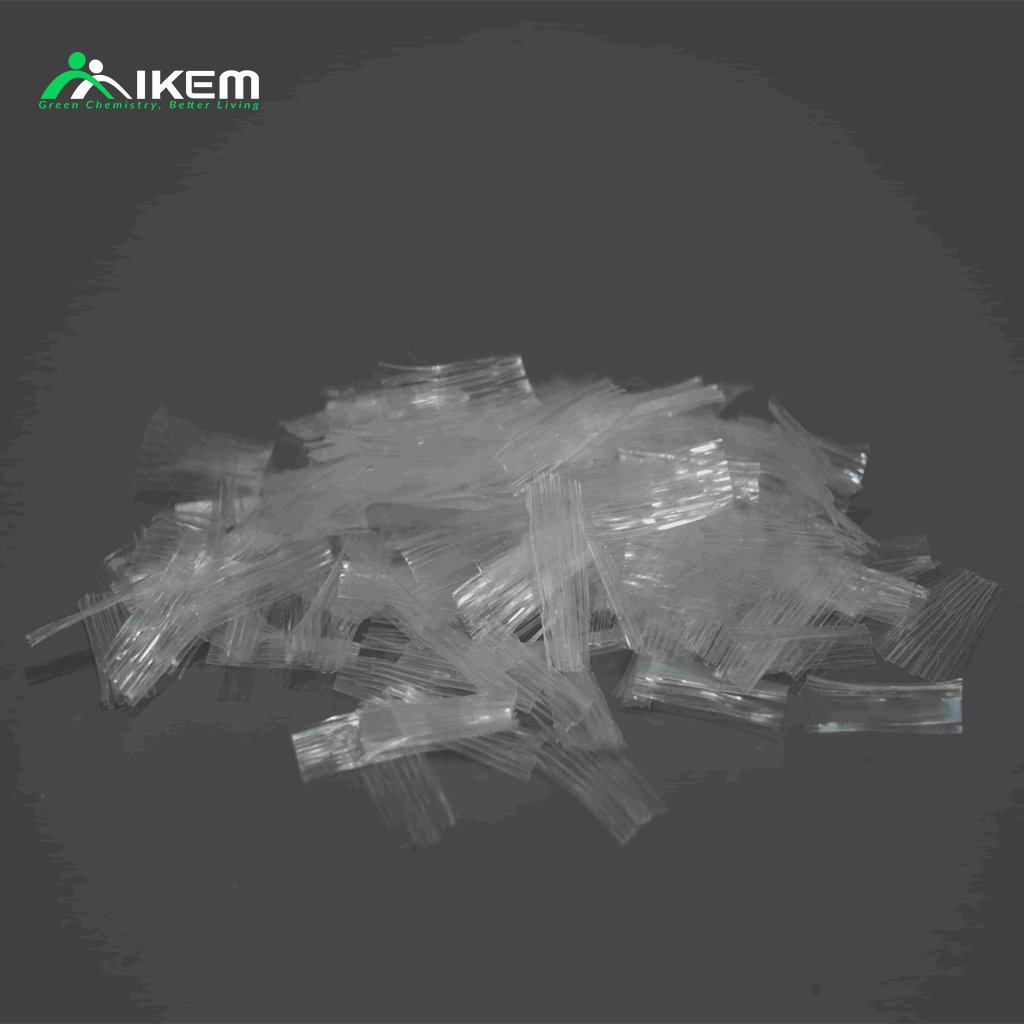
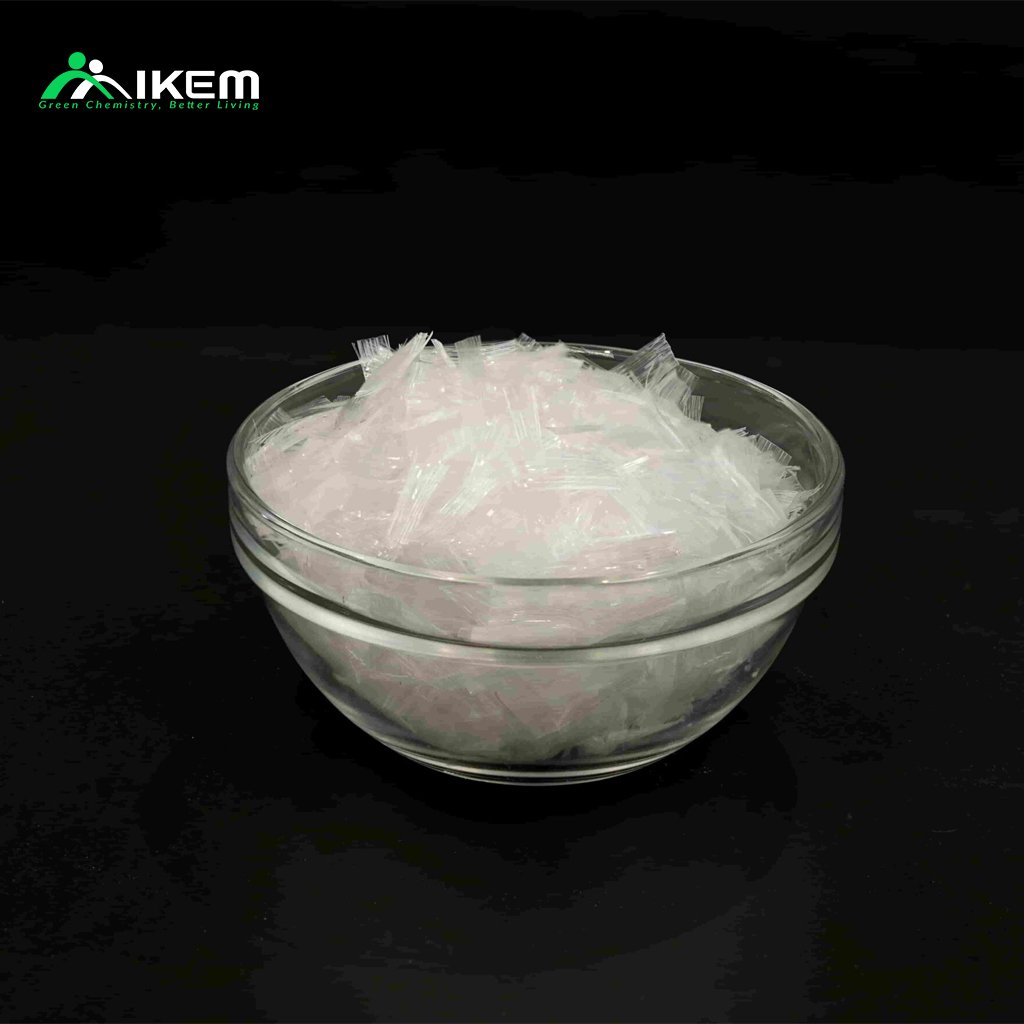
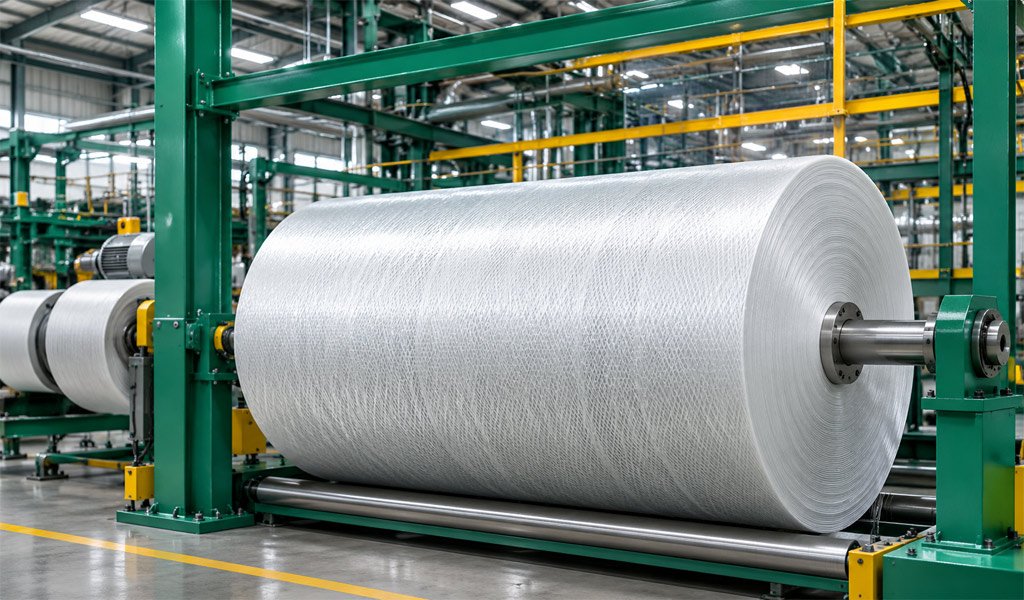
Polypropylene Fiber (Mesh) is a grid-structured reinforcing fiber formed by cross-linking polypropylene filaments. It offers chemical stability, acid and alkali resistance, non-corrosive performance, strong adhesion to cement, and easy dispersion in concrete systems.
WHY IT WORKS
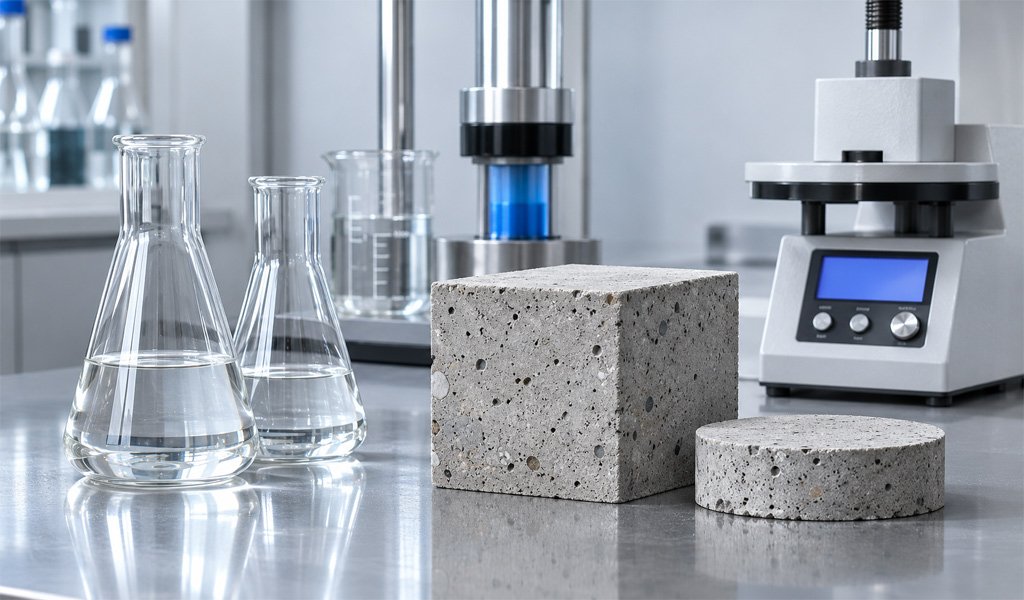
How Polypropylene Fiber Mesh Improves Concrete Performance
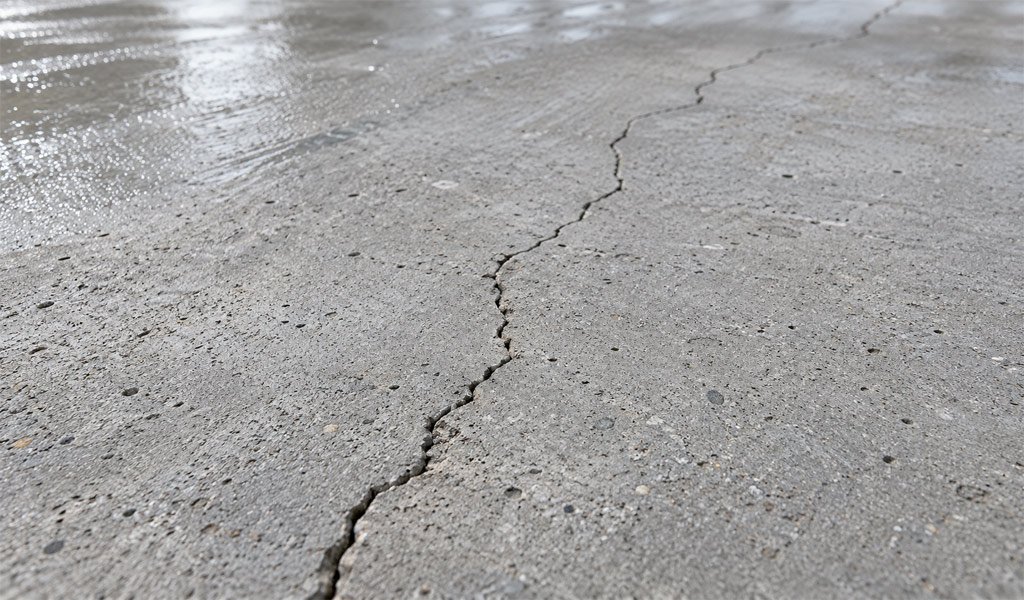
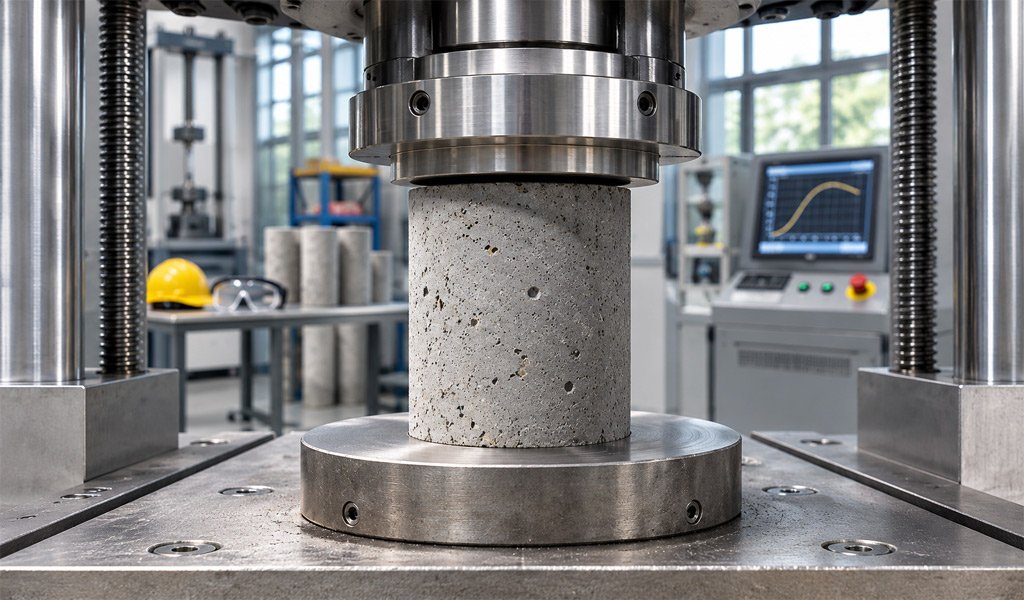
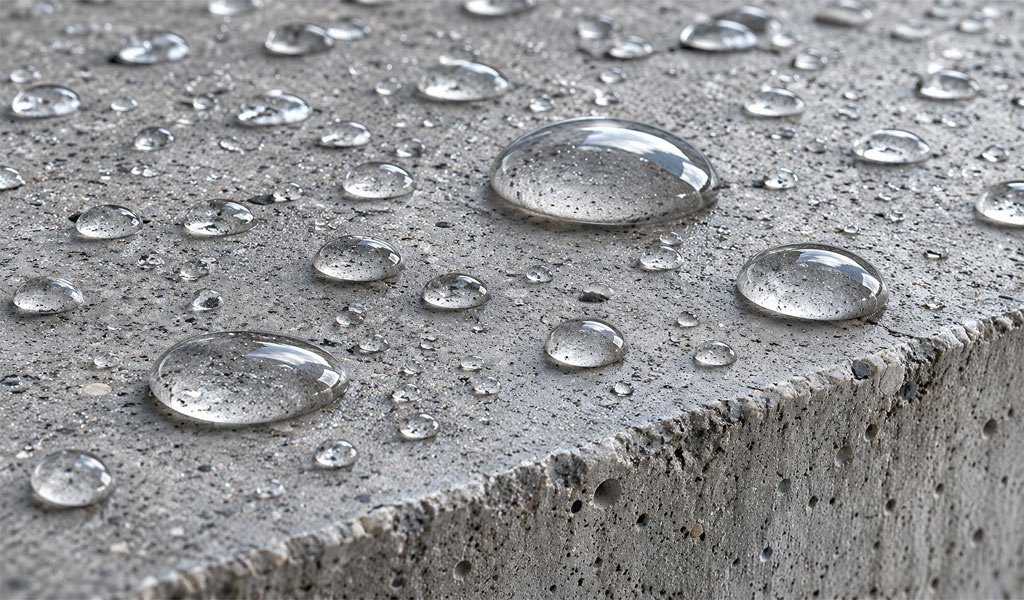
By providing distributed reinforcement within concrete, polypropylene fiber mesh helps control cracking, improve toughness, and support more durable construction.
Enter your information
Regardless of whether you require general advice or specific support, we are happy to help you.
Enter your information
Regardless of whether you require general advice or specific support, we are happy to help you.
Enter your information
Regardless of whether you require general advice or specific support, we are happy to help you.
Enter your information
Regardless of whether you require general advice or specific support, we are happy to help you.
APPLICATION FOCUS
Applications Across Concrete Systems
From large-scale infrastructure to industrial flooring and precast components, polypropylene fiber mesh supports crack control and durability across diverse concrete applications.

01
Bridge Decks & Overpasses
Helps control cracking and improve the durability of structural concrete.

02
Tunnels & Underground Structures
Enhances crack control and long-term performance in confined environments.

03
Highway & Airport Pavements
Improves crack resistance and service life under heavy traffic and loads.
04
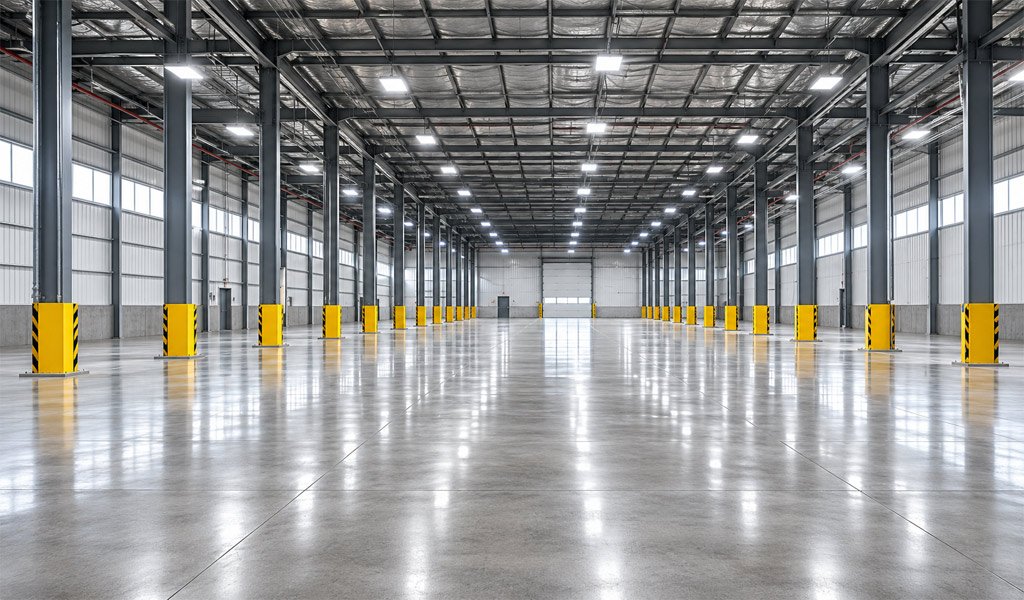
Industrial Floors & Warehouses
Helps reduce shrinkage cracking and enhance floor toughness and wear resistance.
05
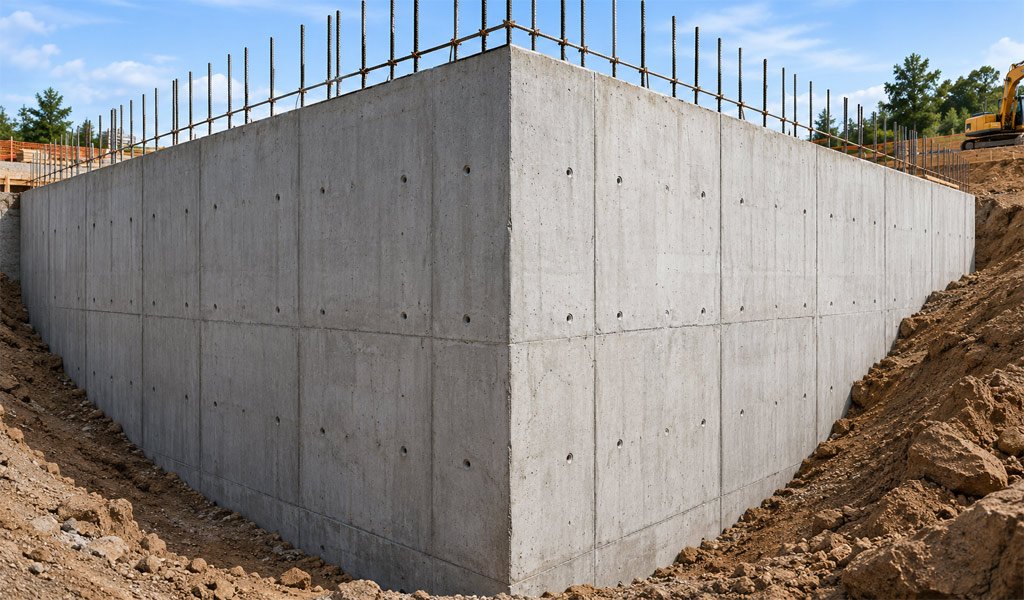
Basement & Foundation Walls
Contributes to better crack control and dimensional stability in structural concrete.
06
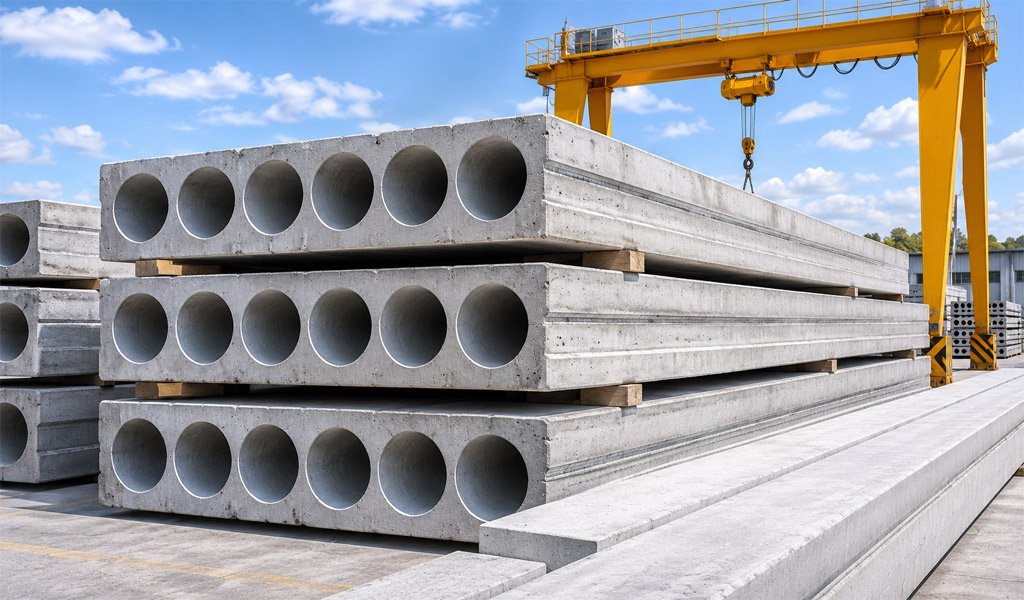
Precast Concrete Elements
Supports stable molding, reduced cracking, and reliable product quality.
WHY MIKEM
Built Around Manufacturing, Quality and Technical Support
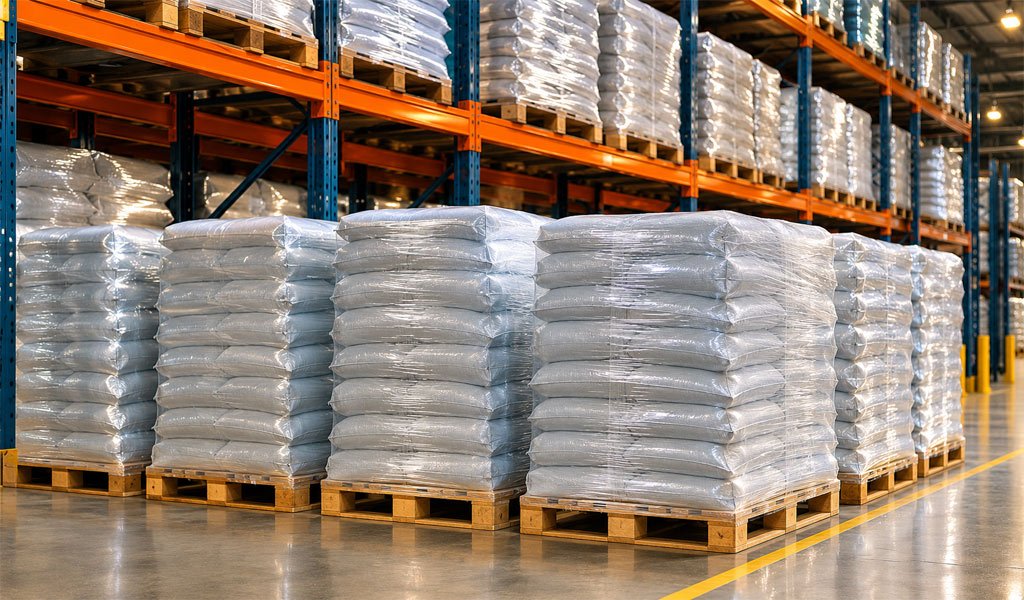
As a manufacturing-focused partner, MIKEM combines production capabilities, quality management, and technical expertise to deliver dependable fiber solutions for concrete reinforcement.
Frequently Asked Questions
Polypropylene fiber mesh is primarily used to improve crack resistance and enhance the overall performance of concrete and mortar. It helps control early-stage cracking, reduce concrete deterioration, improve bonding performance, and minimize cracks caused by temperature changes. It is commonly used in industrial floors, roads, bridges, tunnels, and precast concrete structures.
Polypropylene fiber mesh offers several benefits for construction applications, including improved crack resistance, better bonding performance, enhanced frost resistance, and excellent chemical stability. It is also lightweight, non-toxic, and resistant to acids, alkalis, and corrosion, making it suitable for various concrete environments.
Yes. Polypropylene fiber mesh helps control the formation and development of early-stage cracks in concrete and mortar. Its reinforcing structure helps distribute stress more evenly throughout the material, reducing the likelihood of cracking caused by shrinkage, temperature fluctuations, and other environmental factors.
Yes. Polypropylene fiber mesh has good chemical stability and resistance to acids, alkalis, and corrosion. Unlike conventional steel reinforcement, it does not rust when exposed to moisture, making it suitable for concrete applications in challenging environmental conditions.
Polypropylene fiber mesh is suitable for a wide range of construction projects, including:
-
Bridge decks and overpasses
-
Highway and airport pavements
-
Industrial warehouse flooring
-
Tunnels and underground structures
-
Basement and foundation walls
-
Precast concrete panels
-
Water conservancy and hydropower projects
-
Shotcrete applications for walls and roofs
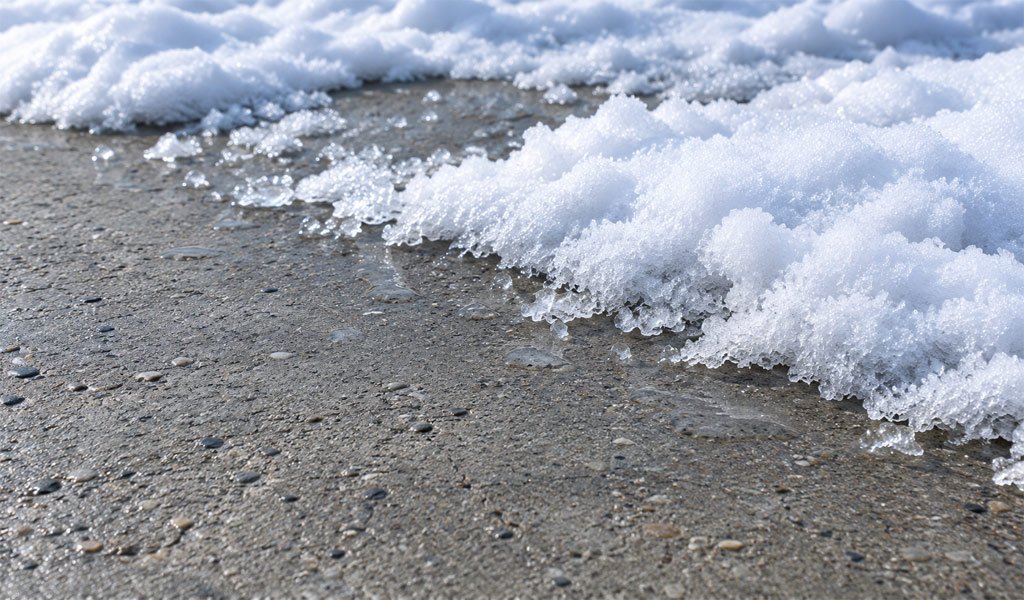
Yes. Polypropylene fiber mesh helps reduce the formation and expansion of cracks caused by temperature fluctuations and freeze-thaw cycles. By improving crack control and concrete integrity, it contributes to better durability in environments exposed to changing weather conditions.
No. Polypropylene fiber mesh is primarily designed to improve crack control and concrete performance. It should not automatically replace conventional steel reinforcement or other structural reinforcement systems. The appropriate reinforcement solution should be determined according to the structural design and engineering requirements of each project.
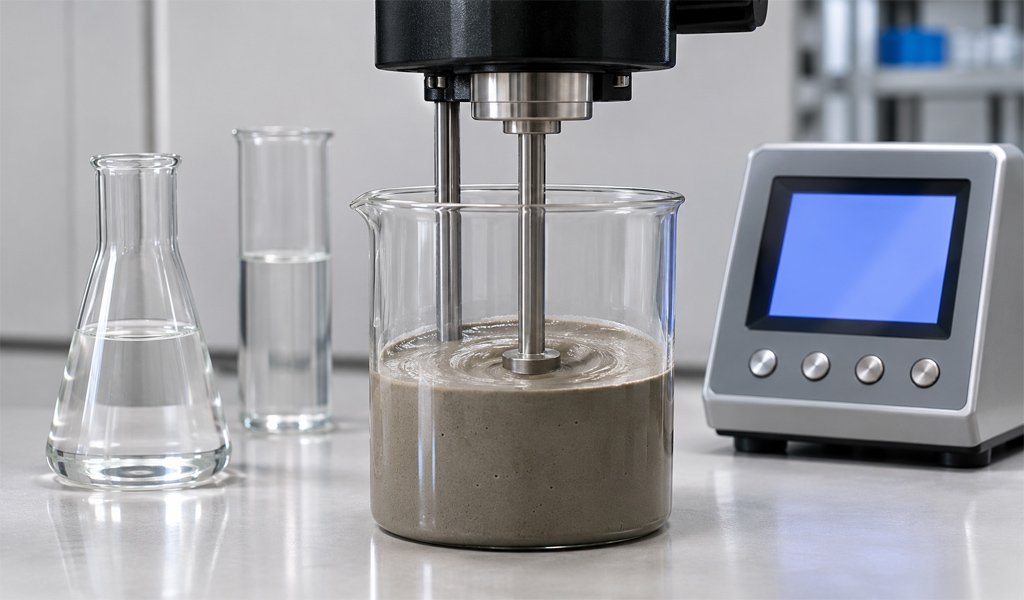
Polypropylene fiber mesh can be incorporated into concrete and mortar during the mixing process. It should be distributed evenly throughout the mixture to achieve consistent performance. The recommended addition method and dosage should be determined according to the product specifications, concrete mix design, and application requirements.
GET IN TOUCH
Build a More Reliable Chemical Supply Chain
Tell us what you’re looking for. Our team will get back to you as soon as possible.