RELIABLE FOOD GRADE HPMC FOR TEXTURE

Hydroxypropyl Methyl Cellulose (HPMC) Manufacturer

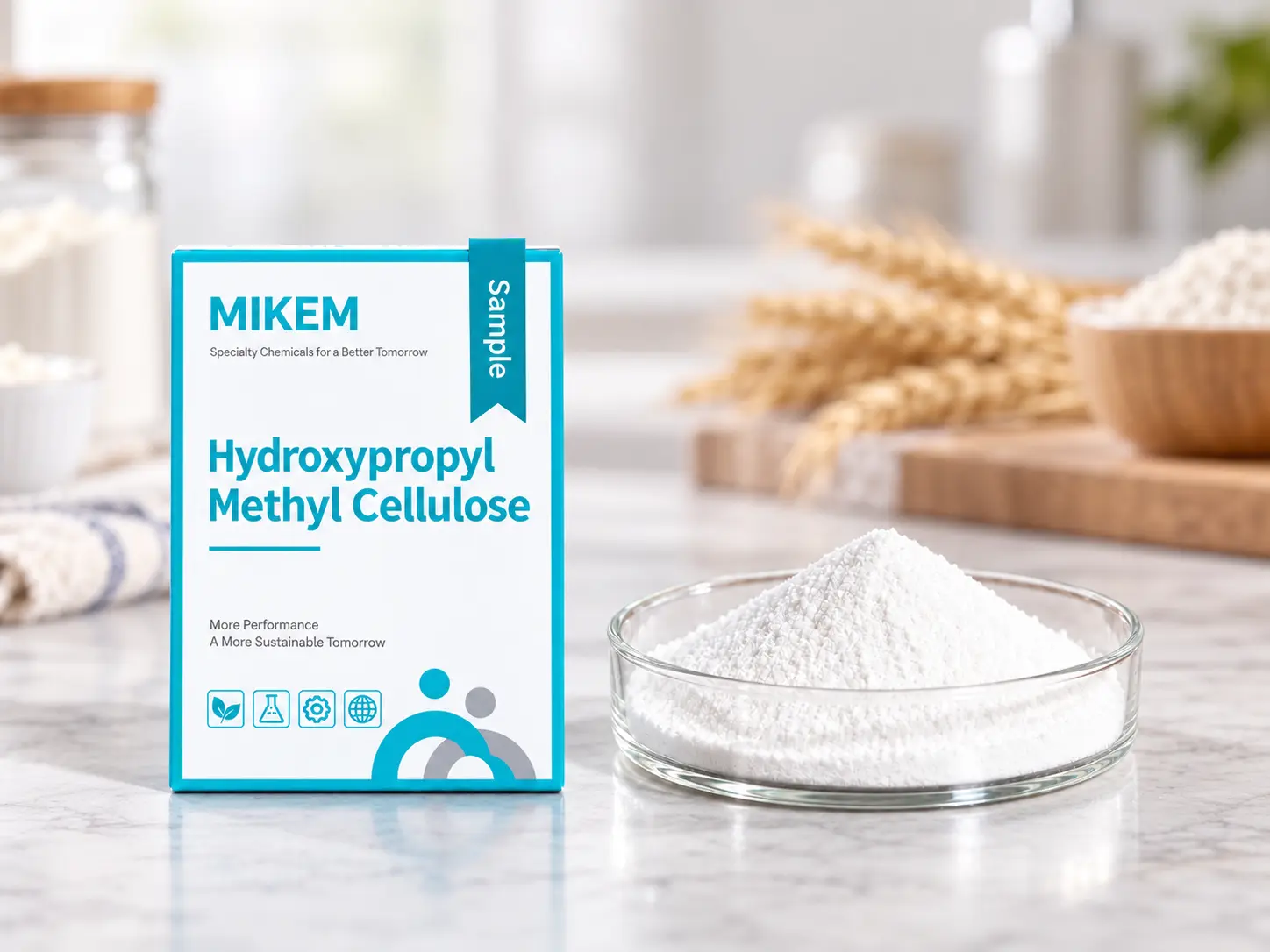
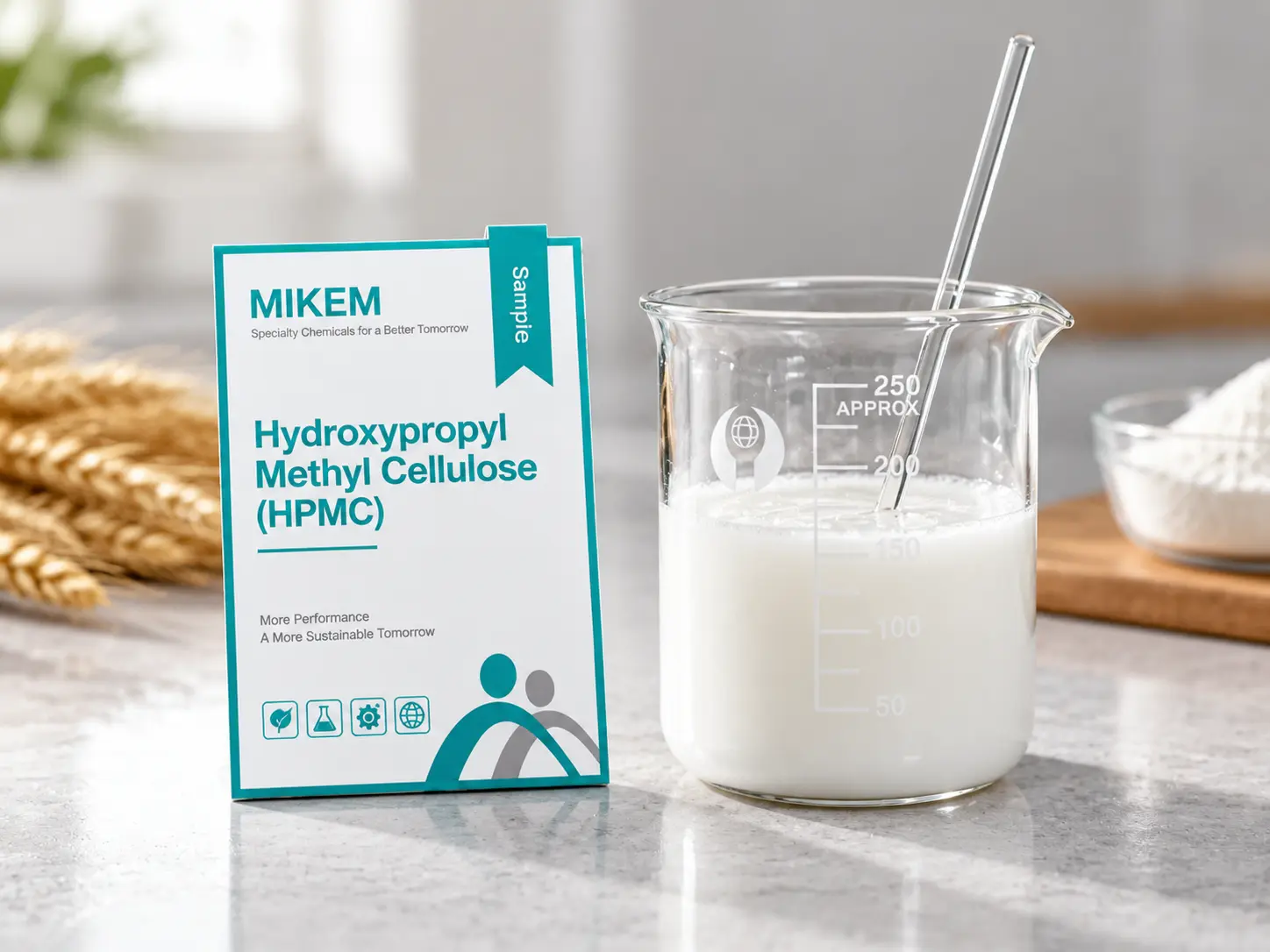
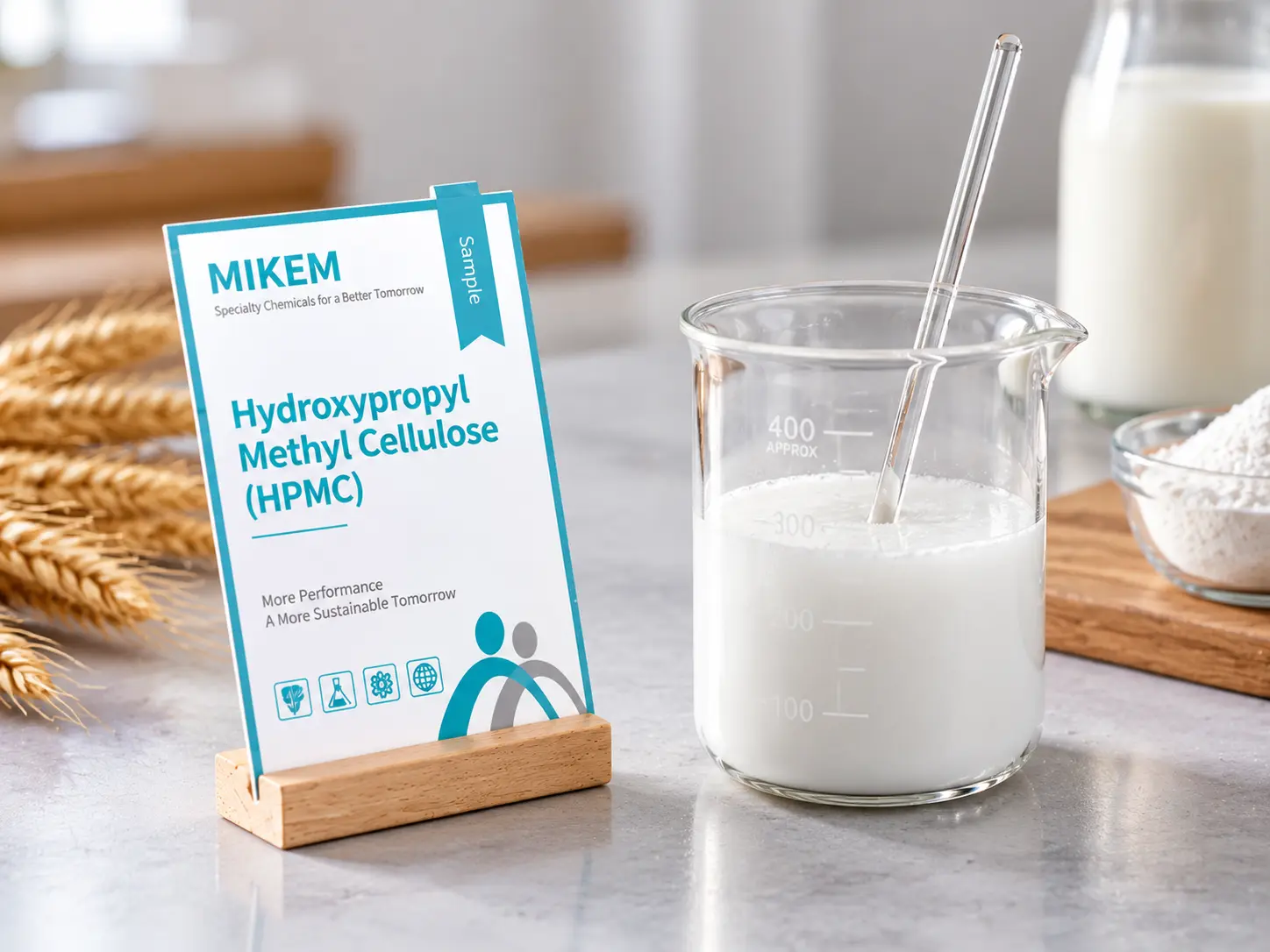
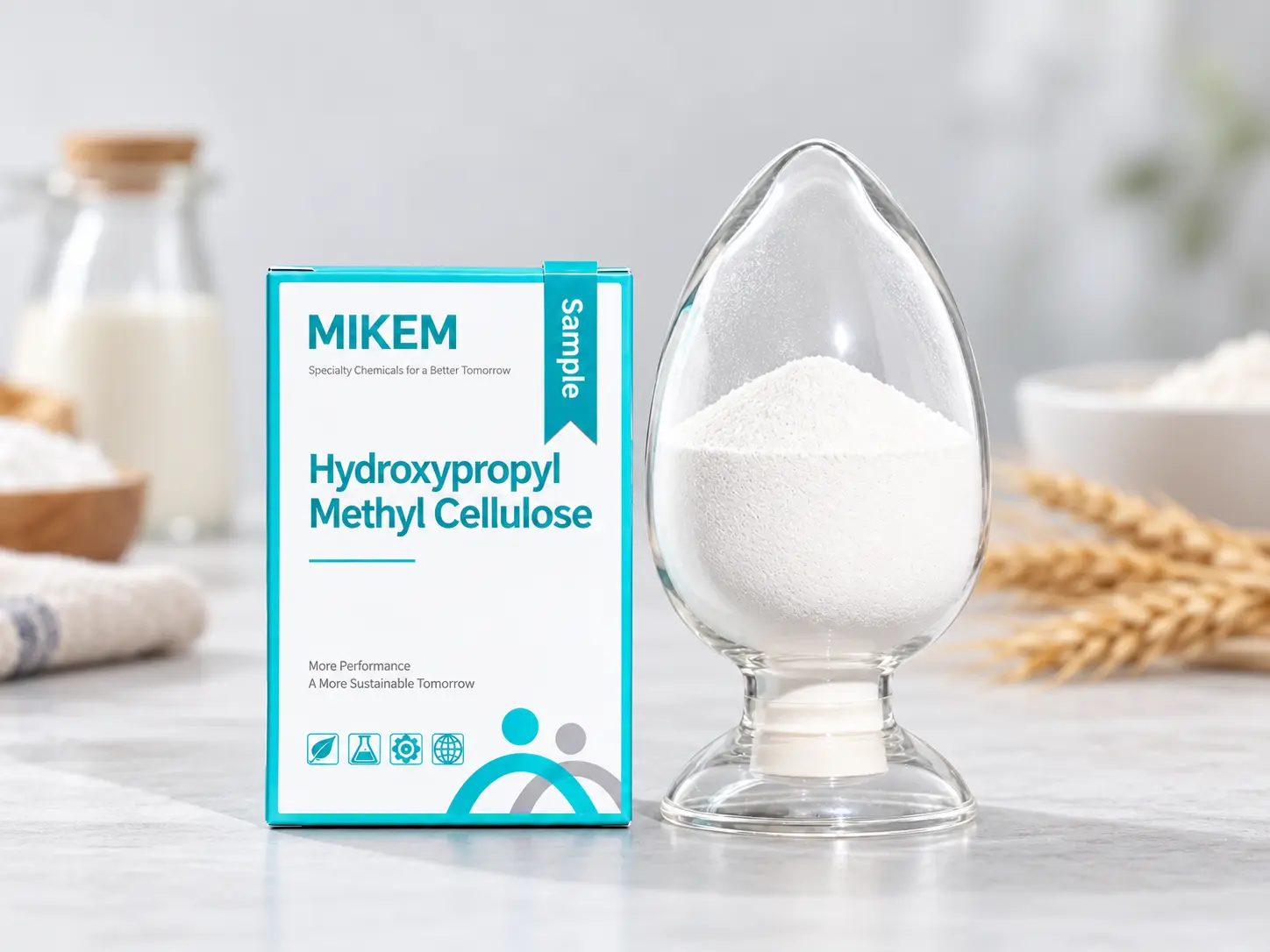
MIKEM supplies food grade Hydroxypropyl Methyl Cellulose (HPMC), a versatile cellulose-based ingredient designed to support thickening, emulsification, moisture retention and texture control in a wide range of food applications.

With application-focused expertise and flexible supply solutions, we support customers with grade selection, specification review, formulation testing, technical documentation, and international supply arrangements.
PRODUCT OVERVIEW

Hydroxypropyl Methylcellulose for Food Applications


Hydroxypropyl methylcellulose (HPMC), designated E464 in the European food additive system, is a non-ionic cellulose ether used as a thickener, stabilizer, and texture-modifying ingredient.

Selected HPMC grades provide viscosity control, moisture management, and heat-induced gelation in suitable food formulations.

Performance depends on the product grade, viscosity, substitution characteristics, hydration method, processing temperature, and other formulation ingredients.

Customers should verify food-grade compliance and application suitability before commercial use.

PRODUCT SPECIFICATIONS

MIKEM HPMC Product Details


Item Description
Product Name Hydroxypropyl Methyl Cellulose
Abbreviation HPMC
CAS Number 9004-65-3
Appearance White to off-white powder
Ionic Nature Non-ionic
Main Functions Thickening, stabilizing, emulsifying, film formation and moisture retention
PRODUCT BENEFITS

How HPMC Improves Food Texture and Stability


Food grade HPMC delivers multiple functional benefits within a single ingredient, helping manufacturers manage texture, processing behavior and finished-product consistency.

Efficient Thickening

Increases viscosity and helps achieve smooth, uniform textures across different food formulations.

Emulsion Stabilization

Helps stabilize dispersed ingredients and reduce unwanted separation in suitable emulsified food systems.

Moisture Retention

Supports moisture management and helps maintain desirable softness and texture in bakery and processed food products.

Thermal Gelation

Forms a gel upon heating under appropriate conditions, providing structure and binding performance in selected applications.

APPLICATION-FOCUSED SOLUTIONS

Hydroxypropyl Methyl Cellulose for Different Food Systems


MIKEM food grade Hydroxypropyl Methyl Cellulose can be selected for a variety of food formulations where viscosity, stability, moisture control and texture are essential.

mikem-hpmc-for-Bakery-Products

01. Bakery Products

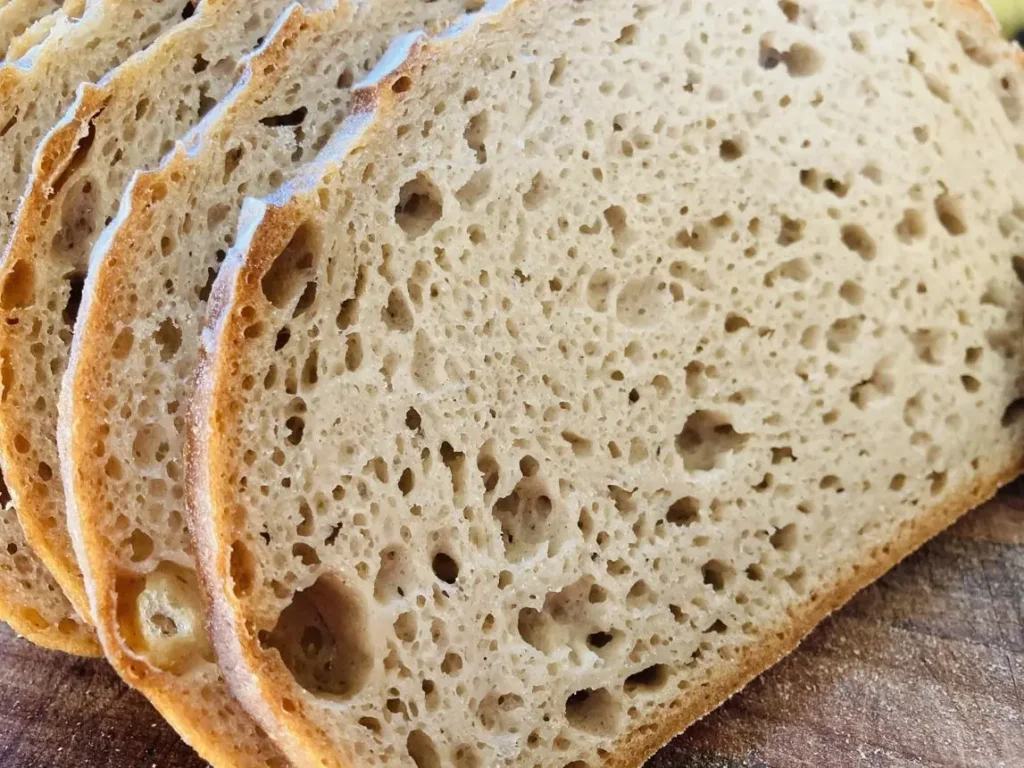
Helps improve moisture retention, dough handling and crumb texture in selected bread, cake and bakery formulations.

mikem-hpmc-for-Gluten-Free-Foods

02. Gluten-Free Foods

Supports dough structure, viscosity and gas retention in gluten-free formulations, helping compensate for the absence of gluten.

mikem-hpmc-for-Frozen-Desserts

03. Frozen Desserts

Contributes to texture control and formulation stability in selected frozen dessert systems.

mikem-hpmc-for-Sauces-Dressings

04. Sauces & Dressings

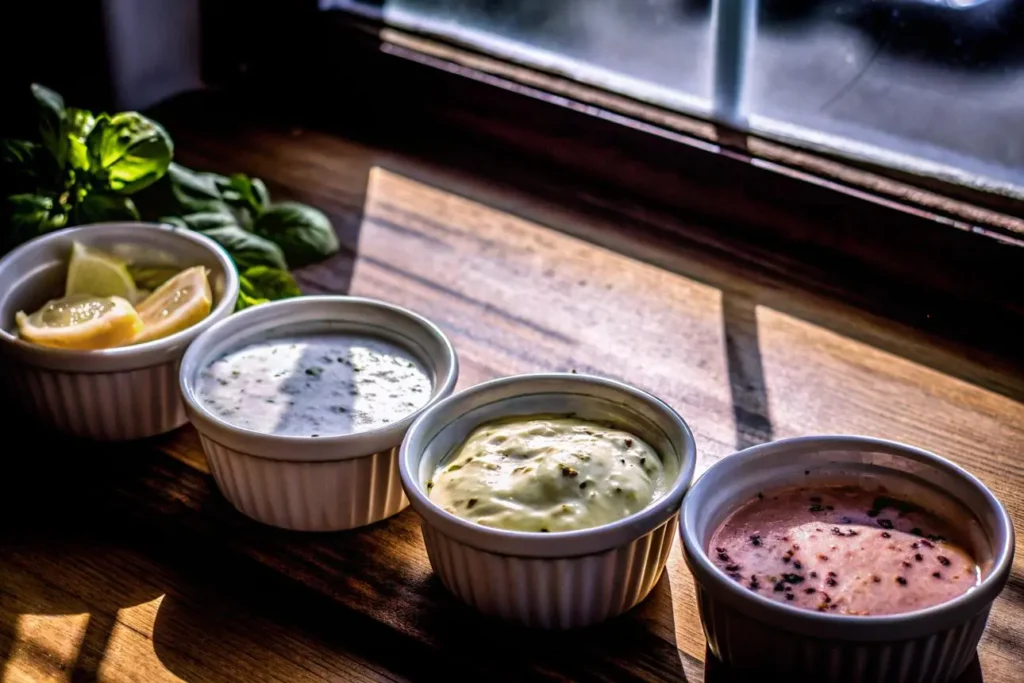
Provides thickening and stabilizing functions to help maintain desirable consistency in sauces, dressings and condiments.

mikem-hpmc-for-Plant-Based-Foods

05. Plant-Based Foods

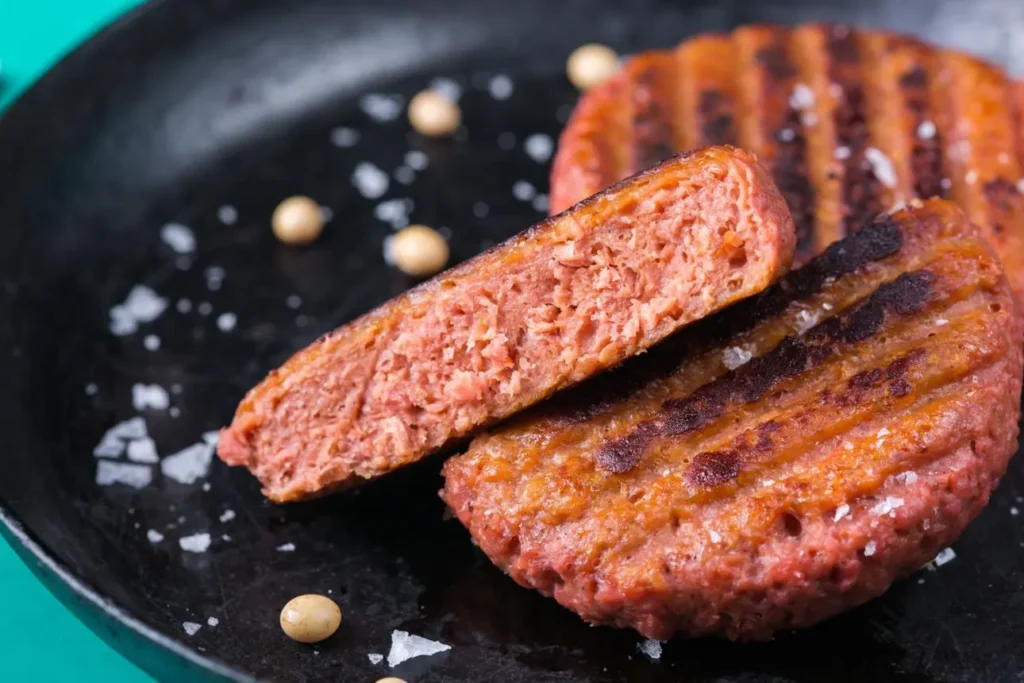
Functions as a binder and texturizing ingredient in selected meat alternatives, particularly where heat-induced structure is required.

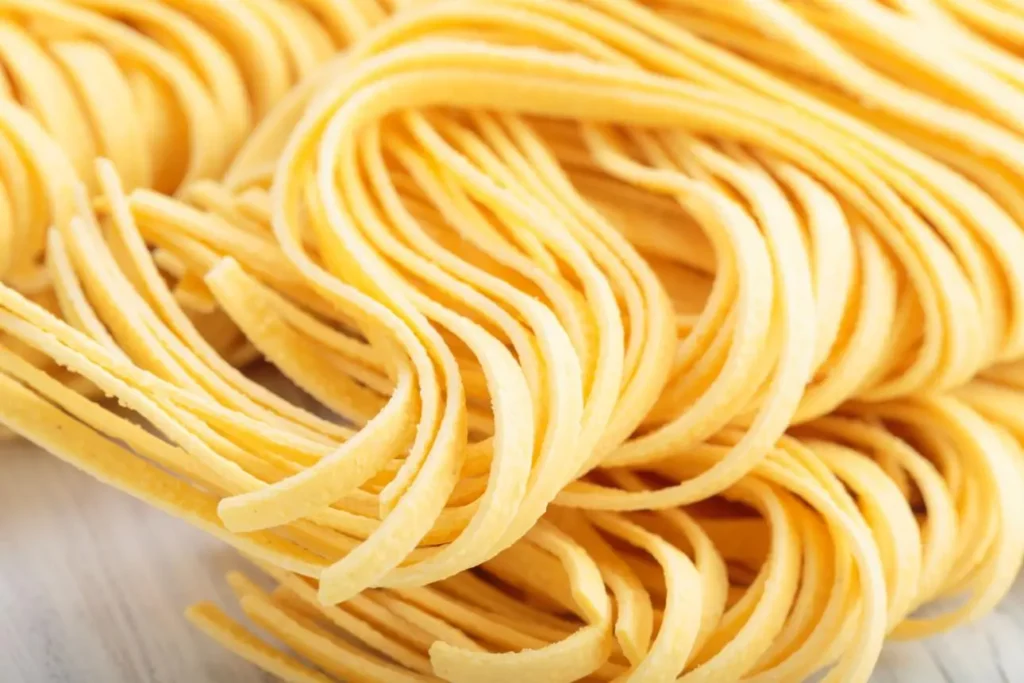
mikem-hpmc-for-Noodles-Pasta

06. Noodles & Pasta

Helps control water distribution and texture in suitable noodle and pasta formulations.

TECHNICAL PERFORMANCE

Functional Properties That Matter in Food Processing


Choosing the right HPMC grade is essential for achieving the desired performance in food production. Important formulation considerations include viscosity, hydration behavior, thermal gelation and compatibility with other ingredients.

Viscosity Control

Different viscosity grades allow formulators to adjust flow behavior, body and mouthfeel according to application requirements.

Hydration & Dispersion

Depending on the grade and mixing method, HPMC disperses in water and hydrates to build viscosity. Proper dispersion helps prevent lump formation and supports uniform processing.

Heat-Induced Gelation

Certain HPMC grades develop reversible gel structures during heating, offering useful binding and structural properties in thermal processing.

Formulation Compatibility

Non-ionic behavior makes HPMC suitable for many multicomponent food systems, although ingredient interactions should be assessed during development.

mikem-hpmc-in-food-Viscosity-Control
QUALITY & SUPPLY

Built for Consistent Food Ingredient Supply


Reliable ingredient performance starts with appropriate grade selection, specification management and dependable supply coordination. MIKEM works with food manufacturers to align HPMC product characteristics with practical formulation and procurement requirements.

Consistent Product Specifications

We focus on key product parameters and quality documentation to help customers evaluate batch consistency and suitability for their applications.

Application-Oriented Grade Selection

Our team helps identify suitable HPMC grades based on viscosity requirements, texture targets and food processing conditions.

Flexible Supply Coordination

We support commercial sourcing, order planning and international delivery arrangements to meet different purchasing requirements.

Technical Formulation Support

From initial product evaluation to formulation adjustments, MIKEM helps customers address ingredient selection and processing challenges.

WHY MIKEM

More Than a Food Additive Supplier


MIKEM combines specialty chemical expertise, global sourcing resources and technical support to help manufacturers develop reliable food formulations and maintain consistent ingredient procurement.

mikem-Technical-Formulation-Support

Quality-Focused Supply

Support product evaluation and purchasing decisions through specification review and quality coordination.

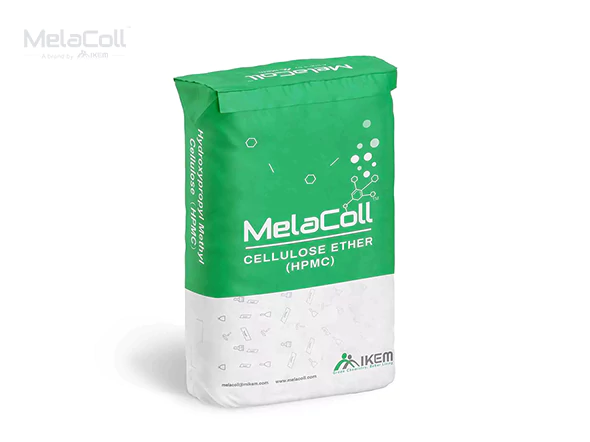
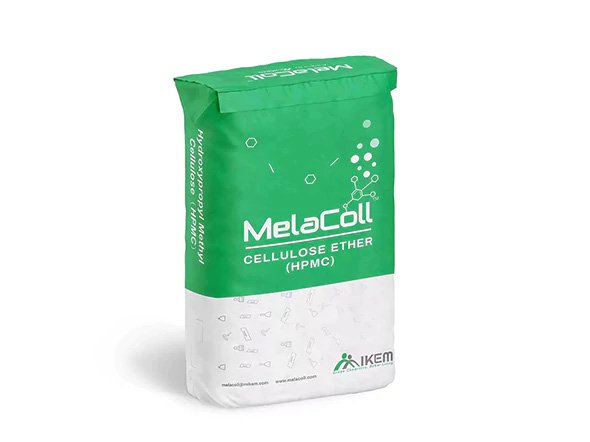
Hydroxypropyl methylcellulose construction additive packaging

Long-Term Technical & Commercial Support

Receive assistance with product inquiries, application requirements, sample evaluation and international procurement.

Frequently Asked Questions


Food grade HPMC is used as a thickener, stabilizer, emulsifier, binder and texturizing agent. Common application areas include bakery products, gluten-free foods, sauces, frozen desserts and plant-based food formulations.

Unlike many conventional hydrocolloids, certain HPMC grades exhibit thermal gelation. This property makes HPMC particularly useful where heat-induced binding or structural stability is required.

Yes. Suitable food grade HPMC can help improve dough viscosity, gas retention and crumb structure in gluten-free bread formulations. Performance depends on the recipe and processing method.

Grade selection depends on the required viscosity, hydration behavior, gelation characteristics, processing temperature and other ingredients. MIKEM can help customers identify suitable options for evaluation.

Yes. Although both are cellulose ethers, food grade HPMC must meet applicable food additive specifications and regulatory requirements. Construction grades should not be substituted for food grade products.

The recommended dosage of food grade HPMC depends on the specific application, desired viscosity, texture and processing conditions. Different food formulations require different concentrations to achieve optimal performance. MIKEM can help manufacturers select suitable HPMC grades and evaluate appropriate dosage levels based on their formulation requirements.

HPMC requires proper dispersion and hydration to achieve uniform viscosity and prevent lump formation. Depending on the product grade, it can be pre-dispersed in hot water and subsequently hydrated during cooling, or incorporated using other suitable mixing techniques. The optimal preparation method depends on the HPMC grade and processing conditions.

HPMC can help maintain desirable food texture and physical stability during storage by supporting moisture retention and controlling ingredient separation. In certain bakery and processed food formulations, it may help reduce unwanted texture changes. However, HPMC is not a preservative, and its effect on product shelf life depends on the overall formulation, packaging and storage conditions.

MIKEM can assist customers with sample inquiries and suitable HPMC grade selection for food formulation development. Customers can share their target application, viscosity requirements, processing conditions and expected order volume to help identify appropriate product options. Sample availability and technical documentation can be confirmed with the MIKEM team.

GET IN TOUCH

Build a More Reliable Chemical Supply Chain

Tell us what you’re looking for. Our team will get back to you as soon as possible.

By submitting this form, you agree to our Privacy Policy