

Stronger Concrete for a More Durable World
CONCRETE ADMIXTURES
Plastic Steel Fiber Manufacturer
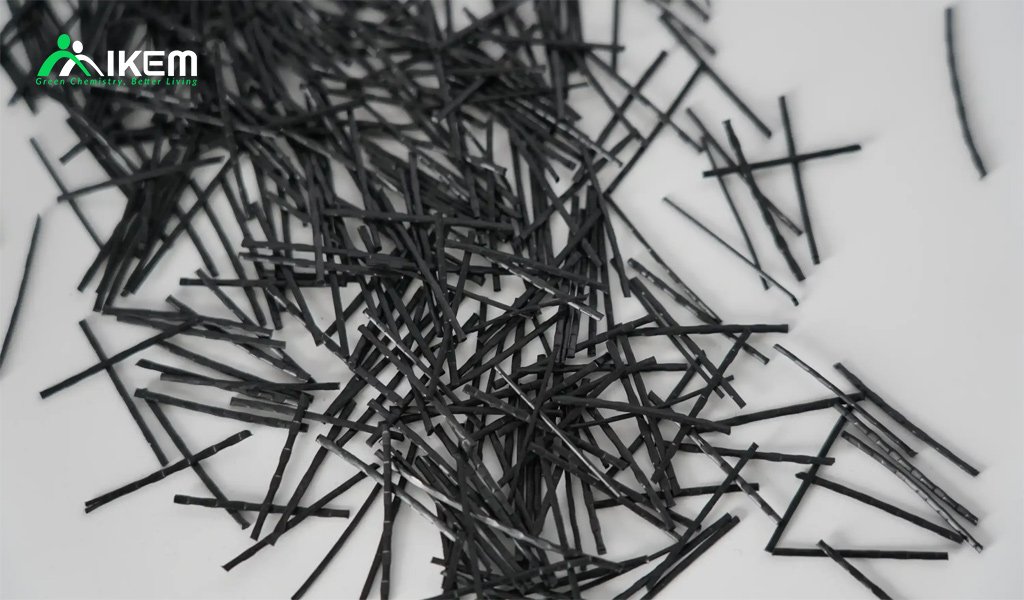
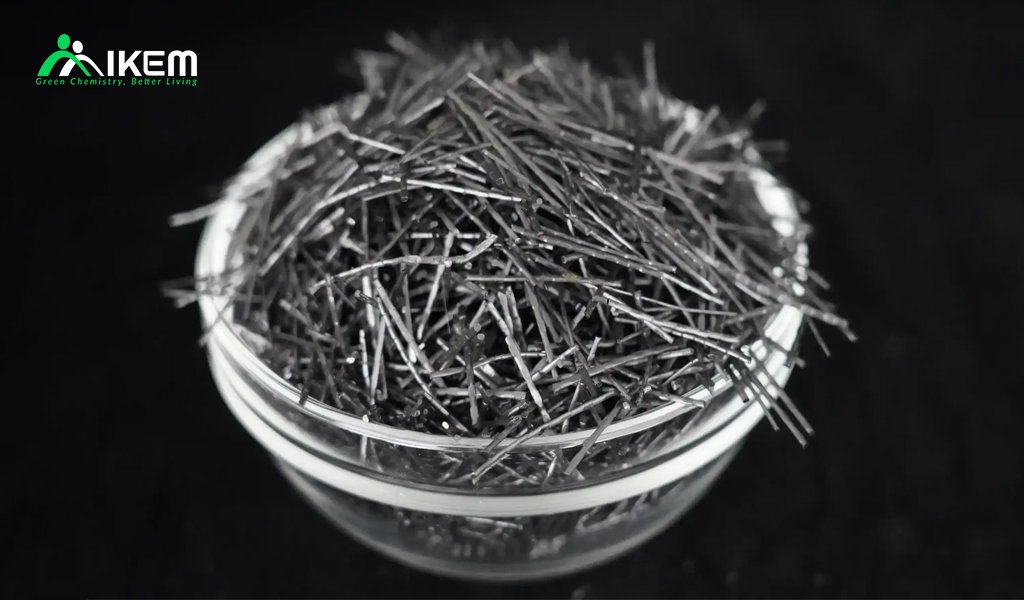
MIKEM supplies synthetic reinforcement fibers for concrete slabs, pavements, precast components, tunnel linings, and selected infrastructure applications.
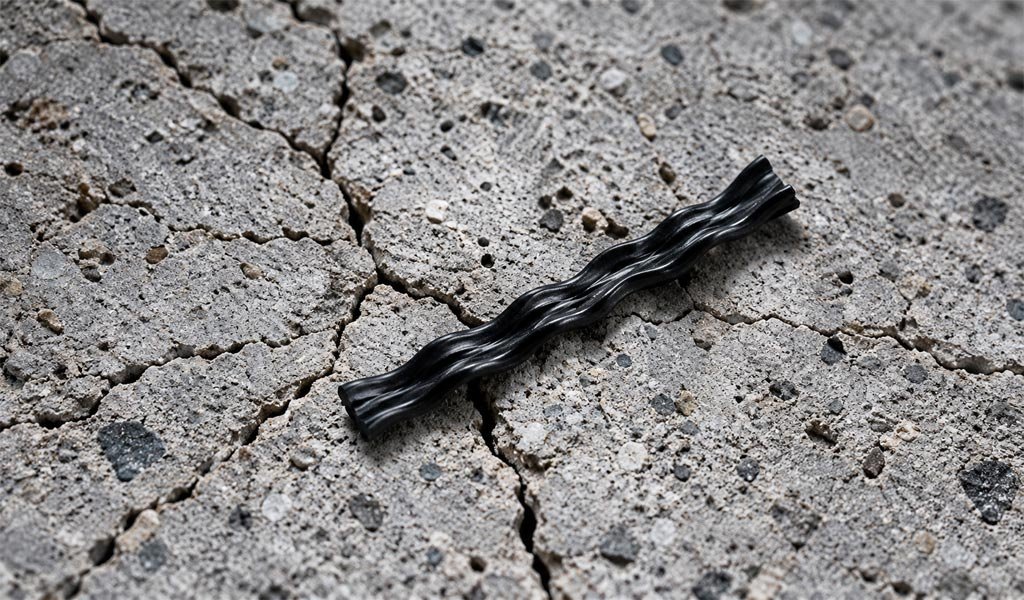
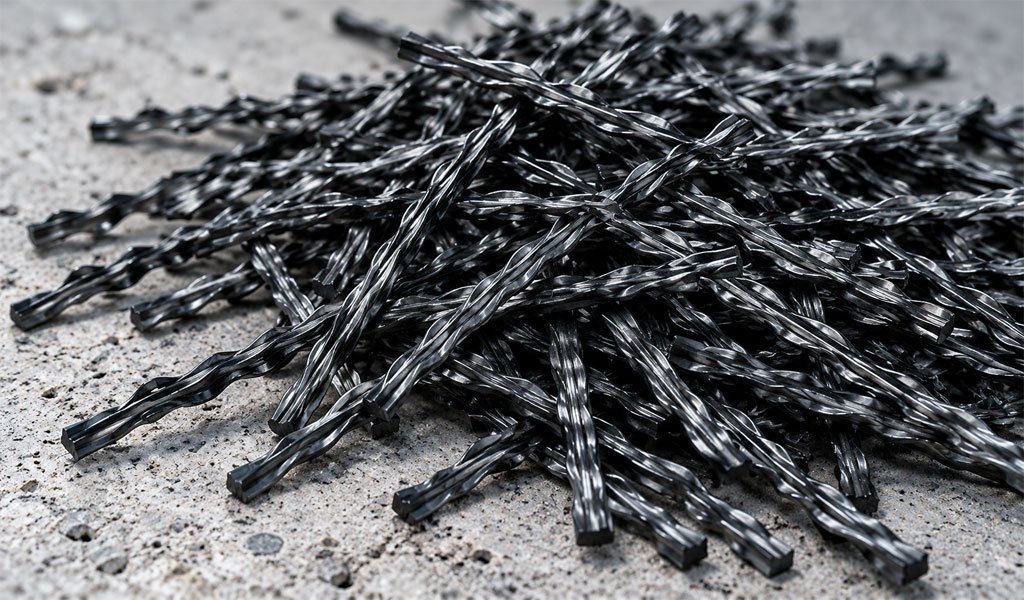
Our embossed and wavy macro-synthetic fiber products are designed to provide crack-bridging performance and support post-cracking behavior in suitable concrete formulations.
We help customers evaluate fiber specifications, dosage requirements, technical test data, and application suitability according to project requirements.


PRODUCT OVERVIEW
Built for Modern Concrete Reinforcement
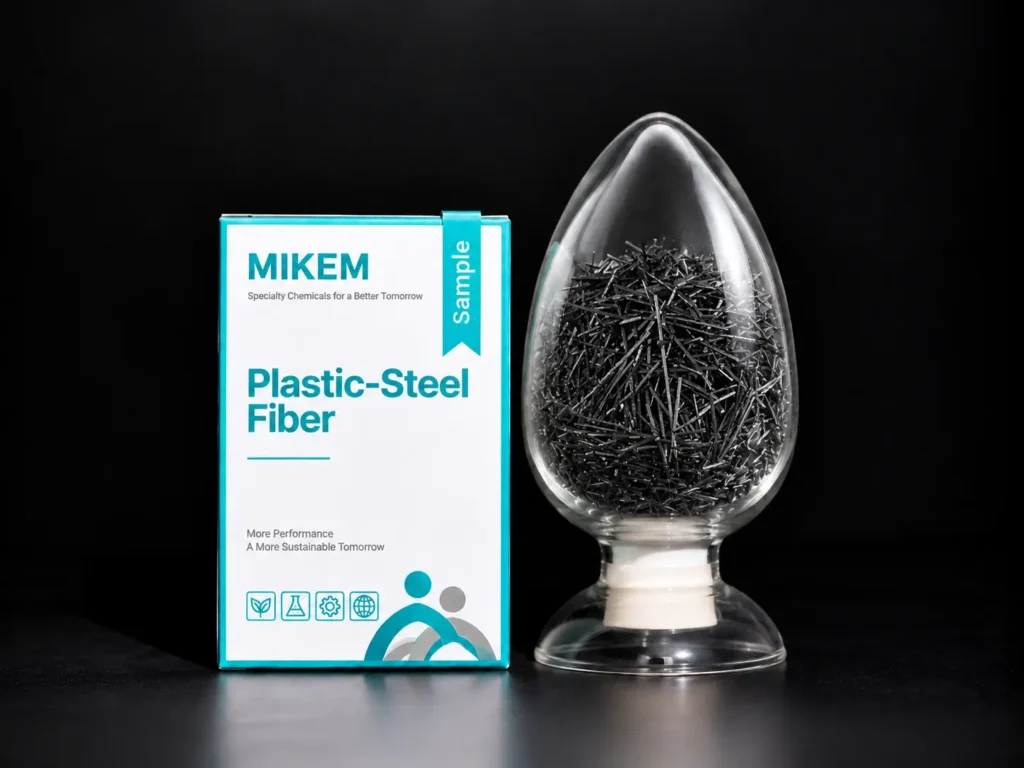
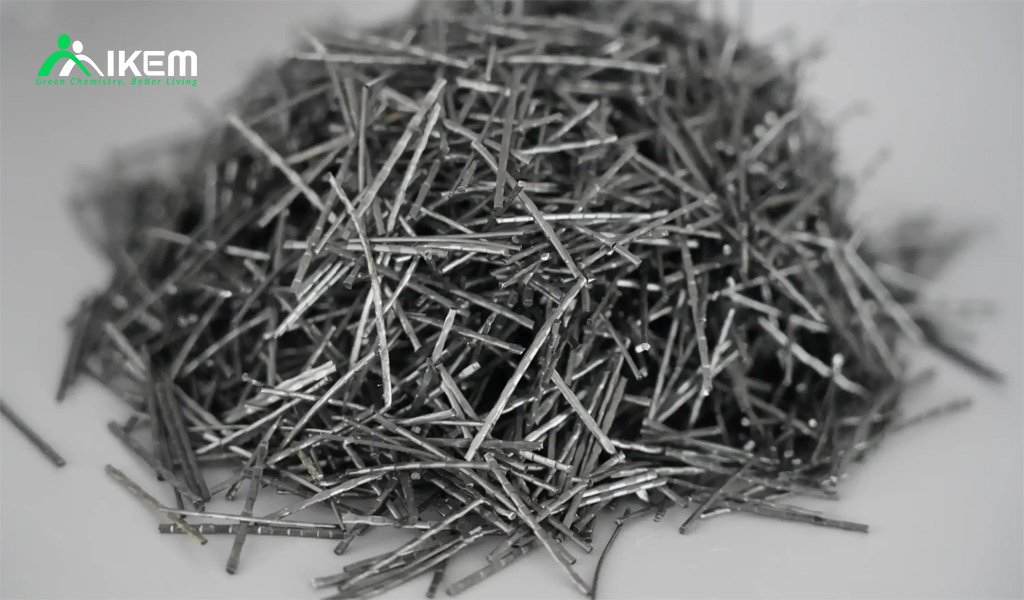
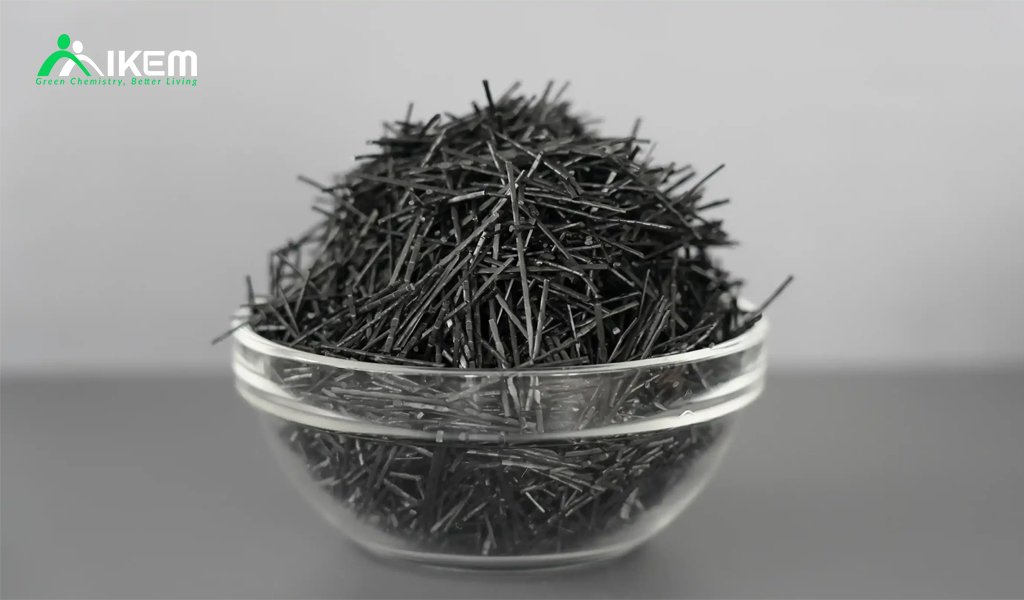
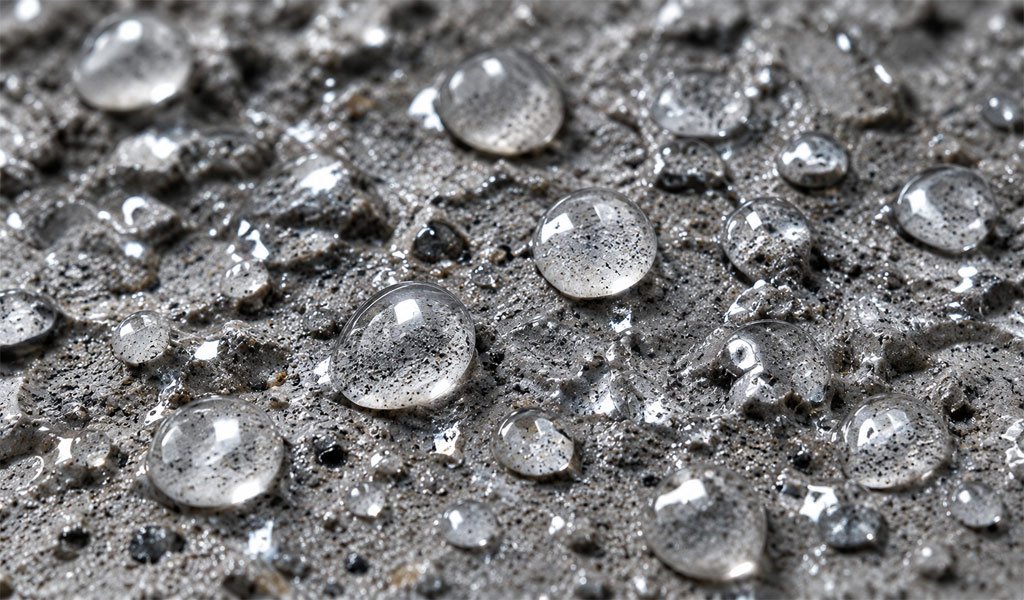
MIKEM plastic steel fiber is a high-performance synthetic reinforcement material specially designed for concrete. With unique embossed and wavy structure, it can effectively enhance concrete’s toughness, crack resistance and long-term durability, while offering excellent corrosion resistance, easy dispersion and convenient handling.
HOW IT WORKS
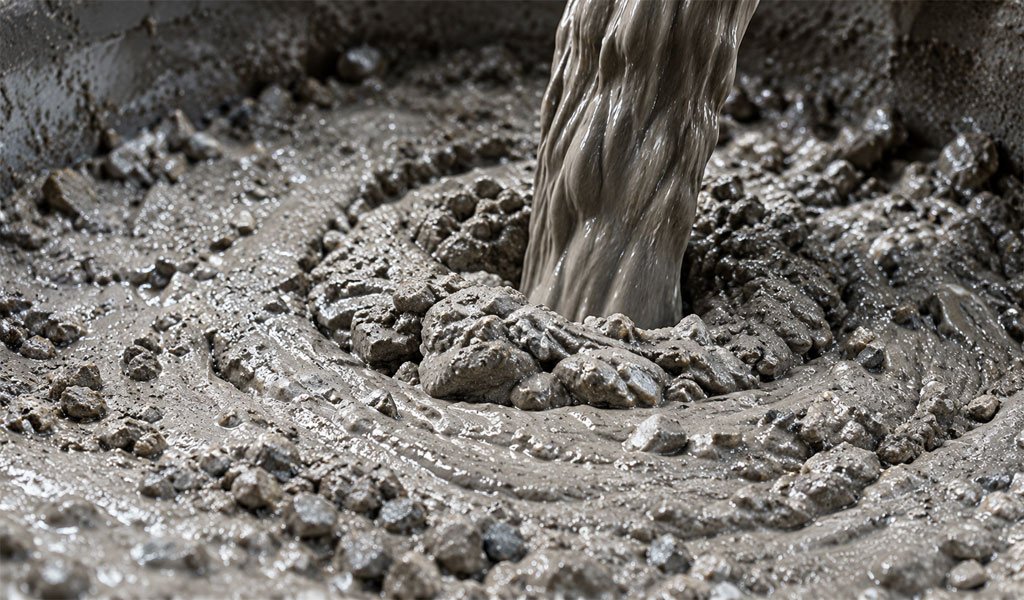
How Plastic Steel Fiber Improves Concrete Performance
APPLICATIONS
Applications Across Concrete Systems

Roads & Pavements
Enhances crack resistance and durability under heavy traffic loads.
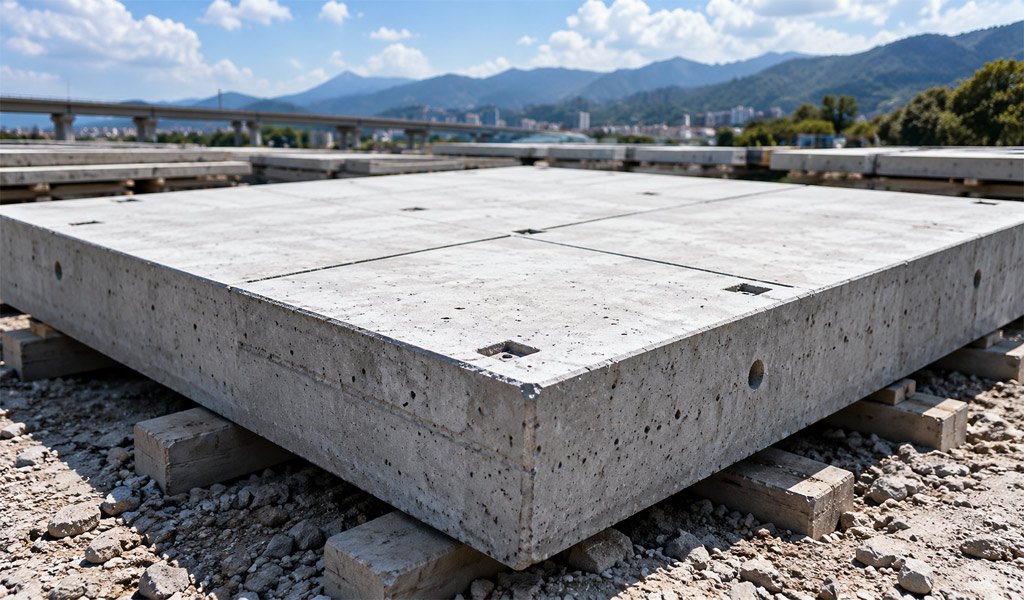
Concrete Panels & Slabs
Improves toughness and reduces shrinkage cracks in precast and cast-in-place concrete.

Bridge Engineering
Provides long-term durability in complex and harsh environments.

Airport Runways
Withstands high loads and frequent use, ensuring long service life.

Tunnels & Underground Works
Enhances structural safety and durability in underground projects.

Water Conservancy Projects
Excellent resistance to water and chemicals, ideal for hydraulic structures.
WHY MIKEM
Why Partner with MIKEM


COMPARISON
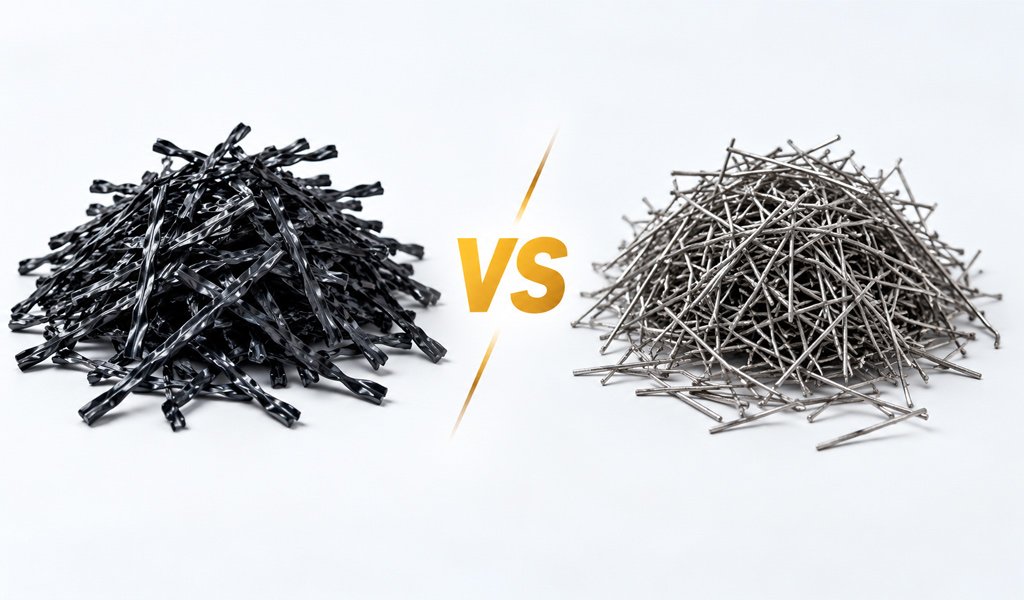
Macro-Synthetic Fiber vs. Steel Fiber: Key Differences
Compared with conventional steel fibers or steel mesh, MIKEM plastic steel fiber offers better overall performance in corrosion resistance, handling, dispersion and long-term durability.
| Item | Macro-Synthetic Fiber | Steel Fiber |
| Material | Synthetic polymer | Steel |
| Corrosion | Does not undergo steel-like corrosion | Depends on environmental and protective conditions |
| Density | Lower | Higher |
| Fiber Anchorage | Related to geometric form, surface, and formulation | Related to shape, ends, and surface characteristics |
| Mixing | Proper feeding and mixing are required. | Similarly, feeding and dispersion must be controlled. |
| Post-Crack Performance | Depends on the specific product and dosage | |
| Structural Replacement | Must be verified through engineering design and testing | Must comply with the project’s structural design |
| Suitable Applications | Applications including flooring, shotcrete, and precast elements | Applications including flooring, tunneling, and precast elements |
SUPPLY & CUSTOMIZATION
Flexible Supply for Real Project Needs
MIKEM provides customizable plastic steel fiber specifications, multiple packaging options and reliable production capacity to support different concrete formulations and global projects.
YOUR TRUSTED PARTNER
Looking for a Reliable Plastic Steel Fiber Manufacturer?
MIKEM provides strong manufacturing capability, technical expertise and customized supply support to help you achieve stronger, more durable and more sustainable concrete structures.
Enter your information
Regardless of whether you require general advice or specific support, we are happy to help you.
Frequently Asked Questions
Plastic steel fiber is a high-performance synthetic fiber used to reinforce concrete. It improves crack resistance, toughness, and durability by distributing reinforcement throughout the concrete mixture. Unlike traditional steel fibers, plastic steel fibers are lightweight, corrosion-resistant, and easier to handle.
Yes, plastic steel fiber can replace traditional steel fiber in certain concrete applications, particularly where corrosion resistance, crack control, and lightweight reinforcement are priorities. However, replacement suitability depends on structural requirements, fiber dosage, and verified concrete performance.
Both are synthetic fibers used in concrete reinforcement. Conventional fine polypropylene fibers are mainly used to control early-age plastic shrinkage cracking, while plastic steel fibers are generally designed to enhance concrete toughness, crack resistance, and post-cracking performance. Their suitability depends on fiber geometry and project requirements.
Plastic steel fiber is widely used in industrial flooring, concrete pavements, precast panels, bridge engineering, airport runways, tunnel linings, and water conservancy projects. It is particularly suitable for applications requiring improved durability, crack resistance, and long-term performance.
Plastic steel fibers form a three-dimensional reinforcing network within concrete. When cracks begin to develop, the fibers help bridge them and limit further crack opening. This improves toughness and helps concrete maintain integrity under loading.
The recommended dosage depends on the concrete application, reinforcement requirements, fiber specifications, and expected performance. Trial mixes and performance testing are recommended to determine the appropriate dosage. MIKEM can provide technical guidance based on specific project needs.
In certain applications, plastic steel fiber can reduce or replace some conventional reinforcement when supported by structural design and performance testing. However, it should not automatically be considered a complete replacement for steel mesh or reinforcing bars in load-bearing structures.
MIKEM manufactures plastic steel fibers using selected raw materials and controlled production processes. With reliable production capacity, strict quality control, customizable solutions, and professional technical support, MIKEM helps customers achieve consistent concrete reinforcement performance.
GET IN TOUCH
Build a More Reliable Chemical Supply Chain
Tell us what you’re looking for. Our team will get back to you as soon as possible.