

MIKEM Powder Defoamer is designed to help control excessive foam and entrapped air in cement-based and gypsum-based dry-mix formulations. It supports more uniform mortar consistency, reduces surface defects, and helps achieve the required air-content balance when properly selected and dosed.
PRODUCT OVERVIEW
Powder Defoamer Manufacturer
MIKEM provides high-performance powder defoamers for a wide range of construction formulations. Our defoamer helps reduce excessive entrapped air, improves mix stability and helps achieve a smoother surface and denser structure in cementitious and gypsum-based systems.
With consistent quality, stable supply and professional technical support, we help our customers develop high-performance building materials for global markets.
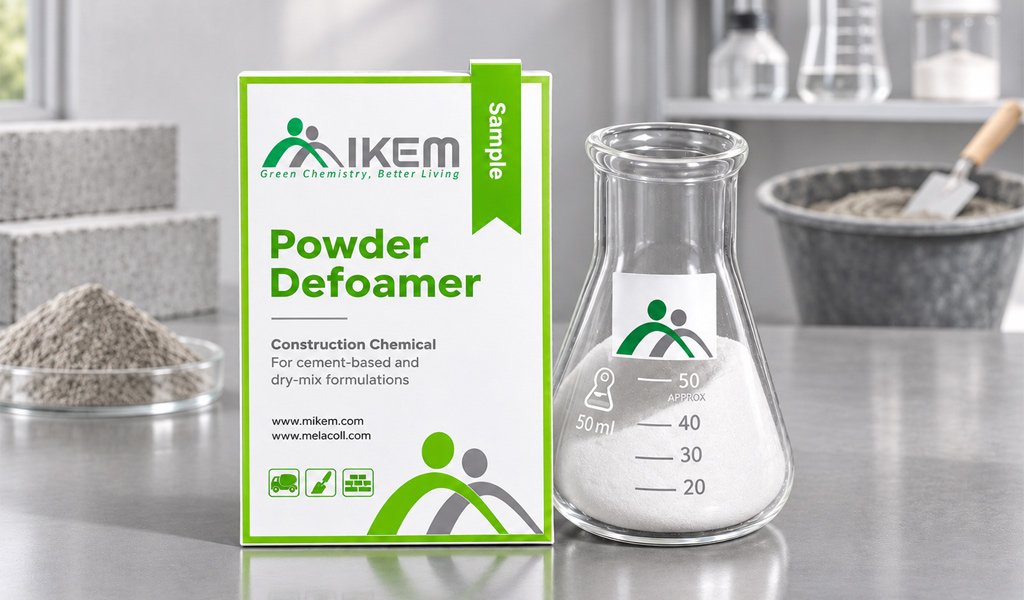
Product Details
| Parameter | Specification |
| Appearance | White powder |
| Water Solubility | Dispersible in water |
| Fineness | 80 mesh |
| pH Value | 6–8 |
| Moisture Content | ≤ 5% |
| Recommended Dosage | 0.1%–0.3% |
| Package | 25 kg/bag |
| OEM Service | Available |
PERFORMANCE BENEFITS
How Defoamer Improves Mortar Performance
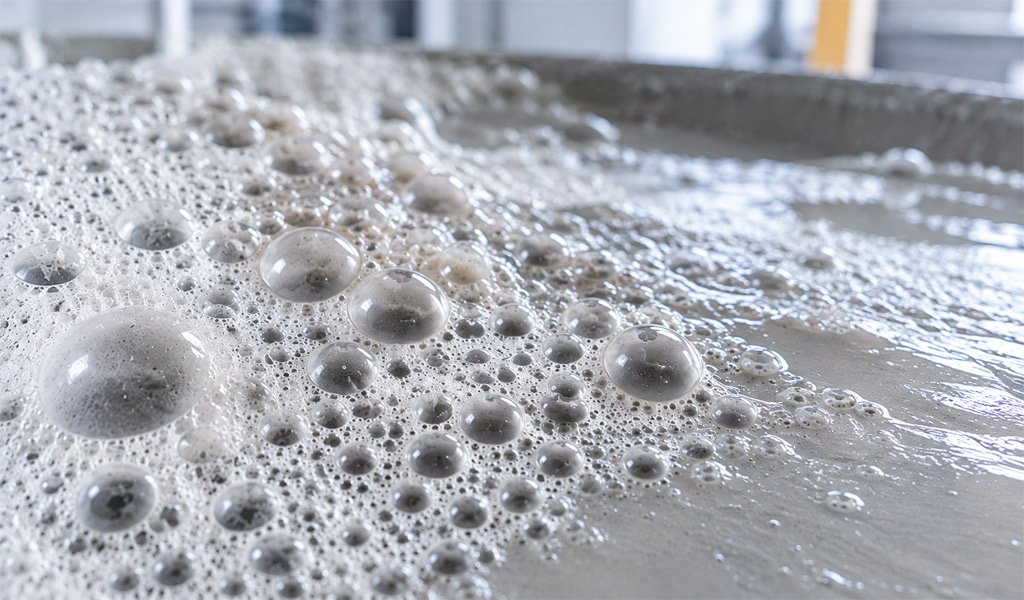
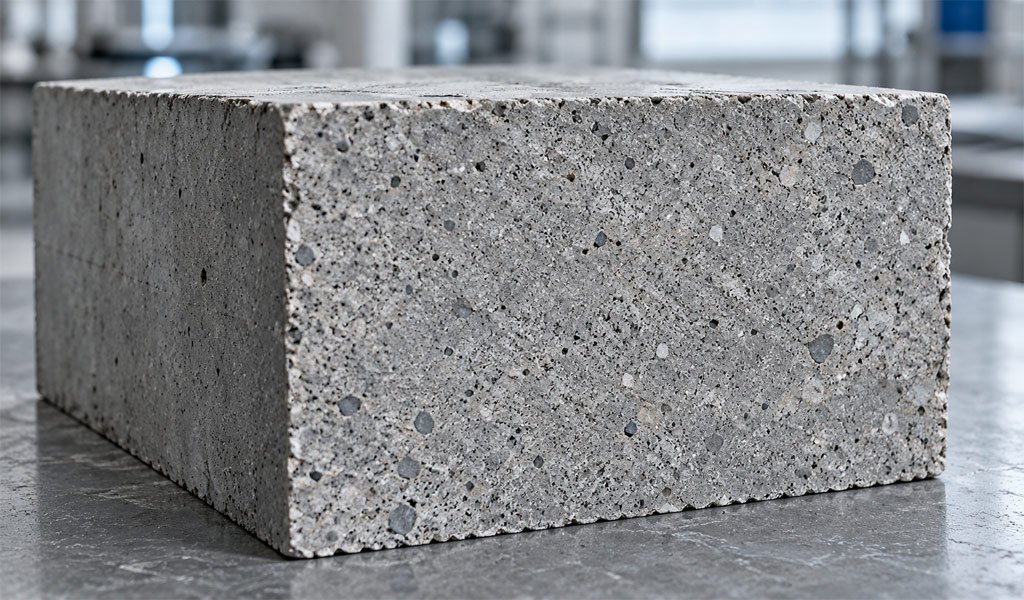
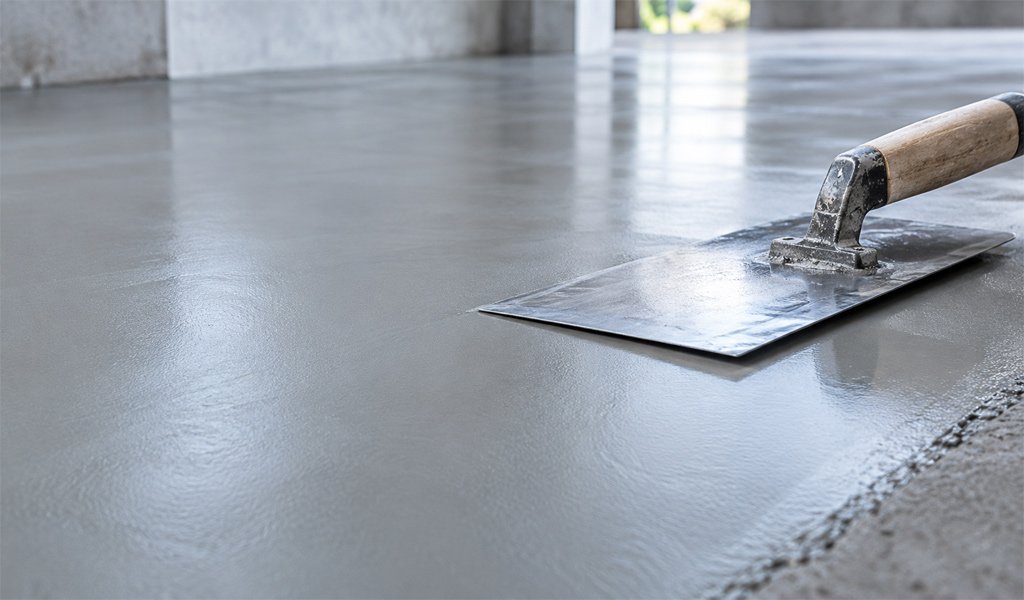
By effectively controlling air bubbles, MIKEM powder defoamer helps optimize the performance of modern construction materials.

KEY APPLICATIONS
Applications Across Construction Systems
MIKEM powder defoamer is widely used in various cementitious and gypsum-based formulations, helping manufacturers achieve better workability, surface quality and long-term performance.
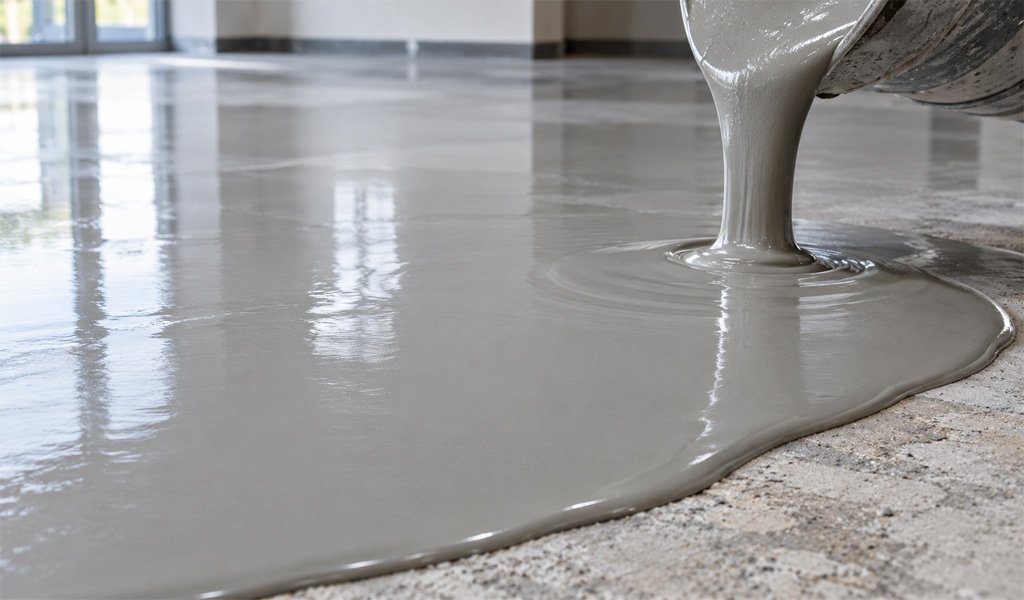
Self-Leveling Compounds
Improves fluidity and surface smoothness.
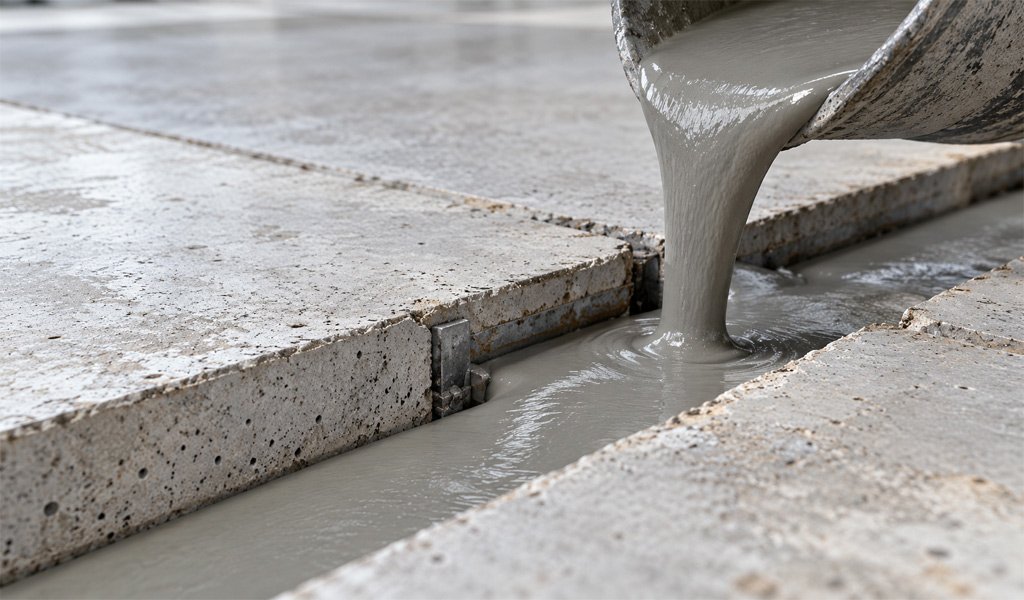
Non-Shrink Grout
Reduces air bubbles and improves density.
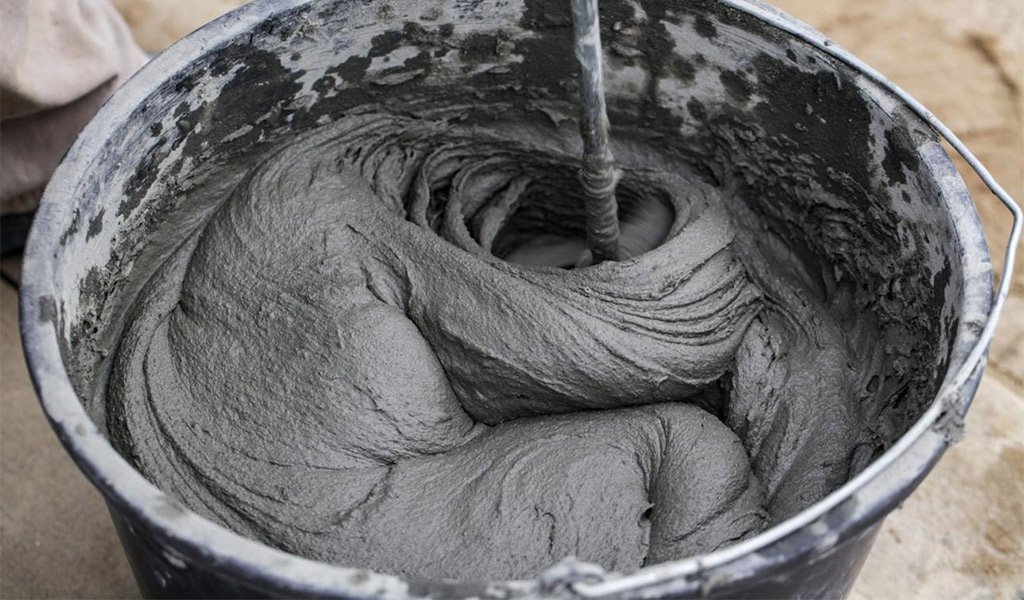
Cement Mortars
Enhances workability and final strength.
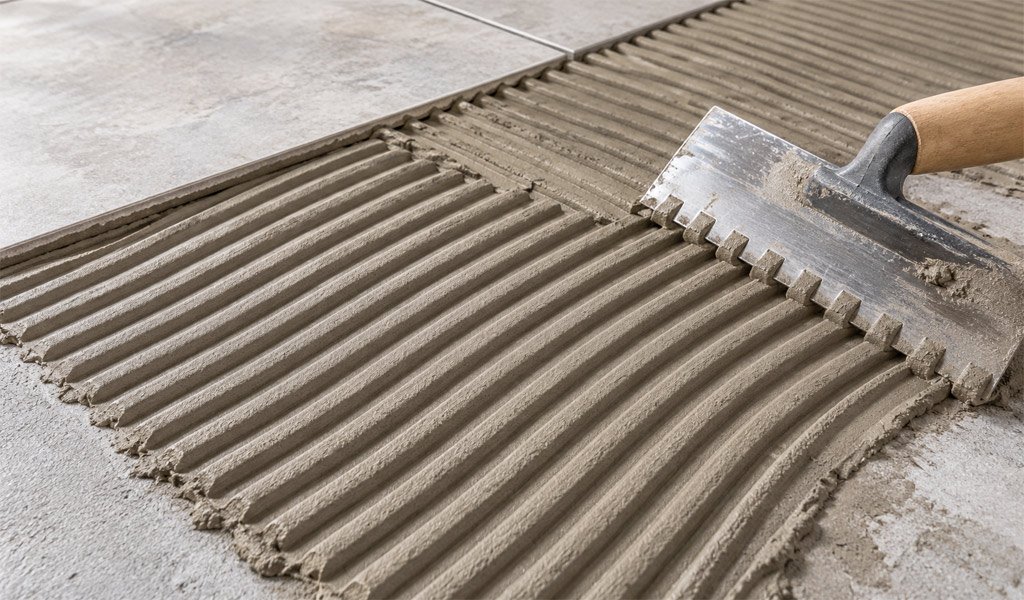
Tile Adhesives
Ensures smoother application and better open time.

Gypsum-Based Materials
Controls foam and improves surface finish.

Repair Mortars
Helps achieve a denser and more durable structure.
VISIBLE RESULTS
See the Difference in Workability
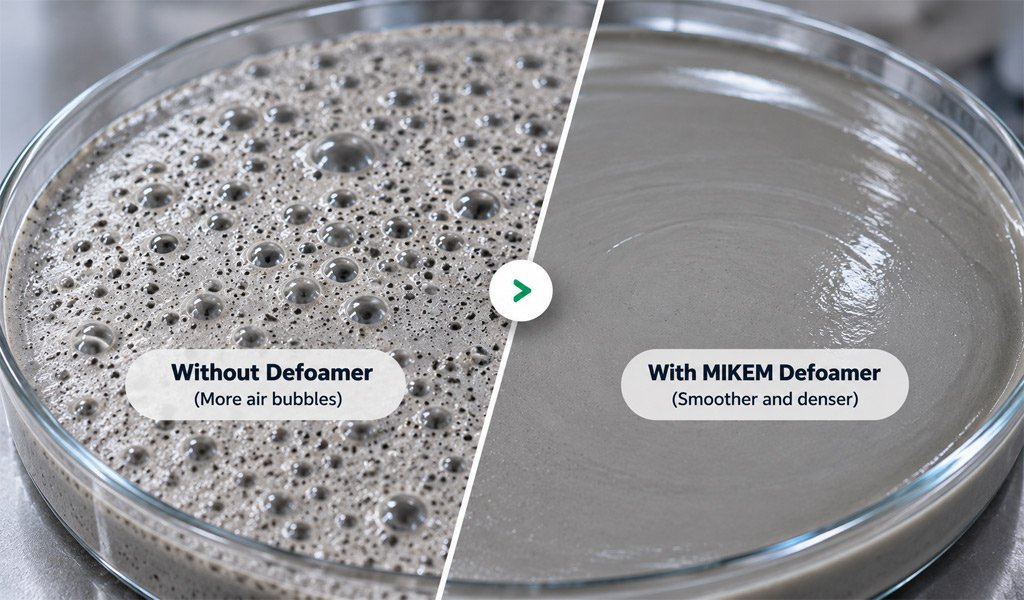
MIKEM powder defoamer effectively eliminates excess foam, resulting in a smoother, denser, and more uniform mix. By reducing trapped air and surface defects, it improves material consistency, enhances workability, and helps achieve a high-quality finish across different construction applications.
Enter your information
Regardless of whether you require general advice or specific support, we are happy to help you.
OUR CAPABILITIES
Built Around Manufacturing, Quality and Technical Support
MIKEM combines construction chemical expertise, quality management, and technical support to help customers develop reliable dry-mix formulations. We support product selection, formulation evaluation, packaging requirements, and consistent commercial supply for cement- and gypsum-based applications.




WHY MIKEM
Why Choose MIKEM as Your Defoamer Manufacturer?
With years of experience in construction chemicals, MIKEM provides reliable products, professional service and long-term support to help your business grow.
Frequently Asked Questions
During mixing, air can become trapped inside mortar and create excessive pores or surface defects. Powder defoamer destabilizes these air bubbles and helps them collapse or escape from the mixture.
A typical recommended dosage for MIKEM Powder Defoamer is approximately 0.1%–0.3% of the dry formulation.
The optimum dosage may vary depending on the application, binder system, other additives and required air content. Laboratory testing is recommended before determining the final formulation.
Powder defoamer can be used in a wide range of cement- and gypsum-based dry-mix products, including:
- Self-leveling compounds
- Non-shrink grouts
- Tile adhesives
- Cement mortars
- Repair mortars
- Renders
- Decorative mortars
- Gypsum-based formulations
The appropriate grade and dosage should be selected according to the specific formulation.
Self-leveling formulations require good flow together with a smooth and uniform finished surface. Excessive entrapped air can create pinholes, craters and other surface defects.
A suitable defoamer helps release unwanted air during mixing and application, contributing to a smoother surface and more compact structure.
Powder defoamer does not directly act as a strength-enhancing additive. However, reducing excessive entrapped air can help create a denser hardened structure.
When correctly dosed, this may contribute to improved mechanical performance and more consistent mortar quality.
When properly selected and dosed, a powder defoamer can help improve processing consistency by controlling excessive foam and trapped air.
However, excessive dosage may influence the balance of the formulation. Compatibility testing with cellulose ethers, redispersible polymer powder, superplasticizers and other additives is recommended.
Yes. Powder defoamers are commonly used in dry-mix formulations containing HPMC, HEMC, redispersible polymer powder (RDP) and other functional additives.
Because different additive combinations can influence air entrainment, the defoamer dosage should be optimized according to the complete formulation rather than evaluated individually.
Yes. Suitable powder defoamer grades can be used in gypsum-based formulations to control unwanted foam and entrapped air.
Compatibility, dosage and required setting or workability characteristics should be evaluated for each specific gypsum system.
GET IN TOUCH
Build a More Reliable Chemical Supply Chain
Tell us what you’re looking for. Our team will get back to you as soon as possible.