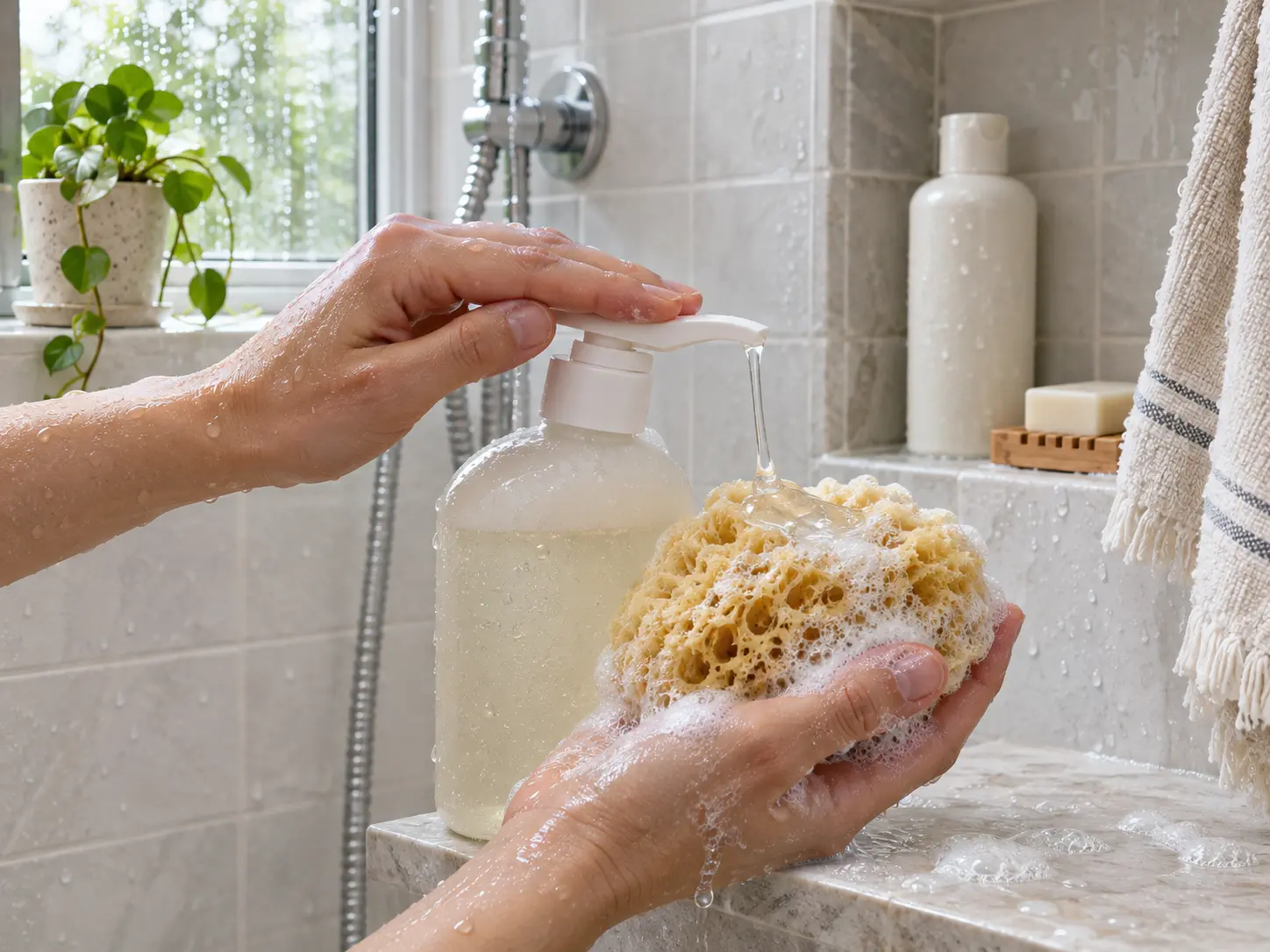
A body wash has to do more than remove dirt. People notice whether it lathers quickly, rinses cleanly, feels comfortable on the skin, and pours the way they expect. Those details depend on the whole surfactant system, which is why formulators often use more than one cleansing ingredient.
Кокамидопропилбетаин in Body Wash is commonly used as a supporting surfactant. It can contribute to foam, help build viscosity in compatible blends, and support a milder cleansing profile when combined with suitable ingredients. It is not a shortcut to a finished formula, though. The same CAPB can behave differently depending on the primary surfactant, active matter, pH, salt level, and processing conditions.
The practical question is not simply whether to use CAPB. It is how to use it to reach the body wash’s performance targets without making the formula harder to produce or less pleasant to use.
What Does CAPB Do in Body Wash?
Cocamidopropyl Betaine, usually abbreviated as CAPB, is an amphoteric surfactant. In a body wash, it is often paired with a primary surfactant rather than expected to do all the cleansing work on its own. The blend is designed around the product brief: cleansing strength, foam character, skin feel, viscosity, cost, and the claims the finished product can support.
CAPB’s role can be useful in several parts of that balance. In compatible systems, it can help produce fuller, more stable foam. It may also support viscosity development, particularly alongside certain anionic surfactants. Its amphoteric character makes it a flexible formulation ingredient, but compatibility and performance still need to be checked in the actual formula.
This is why a product label rarely tells the whole story. Two body washes can both contain CAPB and still feel very different because the surfactant blend, concentrations, pH, fragrance, salts, and other ingredients are not the same.
Why Formulators Use Cocamidopropyl Betaine in Body Wash
Foam is one reason consumers reach for a body wash instead of a low-foaming cleanser. A rich lather can make a product feel effective and easy to spread, even though more foam does not automatically mean stronger cleansing. CAPB can help improve foam volume and stability when it is blended with surfactants that work well with it.
Viscosity matters for a different reason. A body wash that is too thin may be difficult to dispense and can feel less substantial. A product that is too thick may be hard to pump, spread, or rinse. In a suitable blend, CAPB can contribute to viscosity, but it should not be treated as a universal thickener. The final result depends on the complete surfactant system and the processing conditions.
Formulators also consider CAPB when developing products positioned around a comfortable cleansing experience. It can help balance the performance of some primary surfactants, but “mild” is a property of the finished formula, not a guarantee supplied by one ingredient. The surfactant combination, concentration, pH, raw-material quality, and finished-product testing all matter.
CAPB in Sulfate-Free Body Wash
A sulfate-free body wash still needs an effective cleansing system. Removing a sulfate surfactant does not automatically make a product mild or solve its foam and viscosity requirements. Formulators must choose a suitable primary surfactant blend and then check how the supporting ingredients affect performance.
CAPB can be part of that blend. For example, a formulator might combine it with a compatible sulfate-free anionic surfactant to support lather and texture. Other systems may use different anionic or nonionic ingredients. The right combination depends on the desired cleansing strength, foam profile, sensory feel, and cost target.
When developing a CAPB in sulfate-free body wash formula, it helps to compare the full system rather than judging ingredients one at a time. A change in the primary surfactant may alter foam, viscosity, or rinsing, so the CAPB level that worked in an older formula may not give the same result after reformulation.
Balancing Foam, Viscosity, and Mildness
These goals are related, but they are not interchangeable. A formula can produce abundant foam and still feel too drying. It can be mild but lack the lather consumers expect. It can also meet both targets yet remain too thin to package and dispense well.
Foam quality should be evaluated in use, not just by looking at a beaker of bubbles. Consider how quickly the product lathers, whether the foam holds during washing, and how it behaves when diluted with water. Fragrance, oils, conditioning ingredients, and the primary surfactant can all change the foam profile.
Viscosity should be adjusted gradually. CAPB may contribute to thickening in a compatible system, but the response varies with surfactant concentration, pH, electrolyte content, and other ingredients. Large salt additions can make the viscosity difficult to control, so small, recorded adjustments are easier to interpret than a single correction at the end of a batch.
Mildness and sensory feel need to be assessed in the finished product. A formulator should avoid assuming that CAPB alone can make an otherwise harsh system gentle. The final blend, ingredient quality, and product testing determine whether the intended skin feel and cleansing experience have been achieved.
Formulating With CAPB: A Practical Approach
Start with the product brief. Decide whether the priority is dense foam, a sulfate-free positioning, a particular viscosity, a specific cost range, or a certain rinse feel. Trying to optimize everything at once can make formulation changes difficult to understand.
Next, select the primary surfactant system and check whether the CAPB grade is compatible with it. Review the supplier’s product specifications, including active matter, pH, appearance, and other relevant quality information. The grade should fit the manufacturing process as well as the formula.
During bench trials, keep the changes controlled. Compare a base formula with one or two variations, changing only the CAPB level or one other factor at a time. Record the order of addition, mixing conditions, pH, viscosity, and observations after the batch has had time to equilibrate. This makes it easier to spot a genuine improvement instead of relying on a first impression.
Then test the product under realistic conditions. Look at lather, spread, rinse feel, viscosity, and stability after storage at different temperatures. Check how the formula behaves with its fragrance and other planned ingredients. If the product will carry claims about mildness or suitability for a particular user group, those claims should be supported by appropriate finished-product testing.
Common Issues and What to Check
A thin body wash does not always need more CAPB. First review the surfactant blend, salt or electrolyte level, pH, and processing conditions. If the viscosity rises during one trial but drops during another, compare the full batch records; a small difference in water, salt, or mixing can change the result.
Weak or unstable foam may also have several causes. Fragrance oils, emollients, and other additives can affect lather, while the primary surfactant determines much of the cleansing and foam profile. Check the formula as a system before increasing CAPB.
If a product feels harsher than intended, review the total surfactant blend and concentration, not just one ingredient. Raw-material specifications and impurity controls are also worth discussing with the supplier. A formula adjustment should be followed by stability and performance checks so that improving one property does not create a new problem elsewhere.
Choosing a CAPB Supplier
A reliable supplier should provide clear specifications, consistent quality, and practical support when a formulation needs adjustment. For body wash manufacturers, it is useful to discuss the product’s surfactant system and target properties when evaluating a CAPB grade.
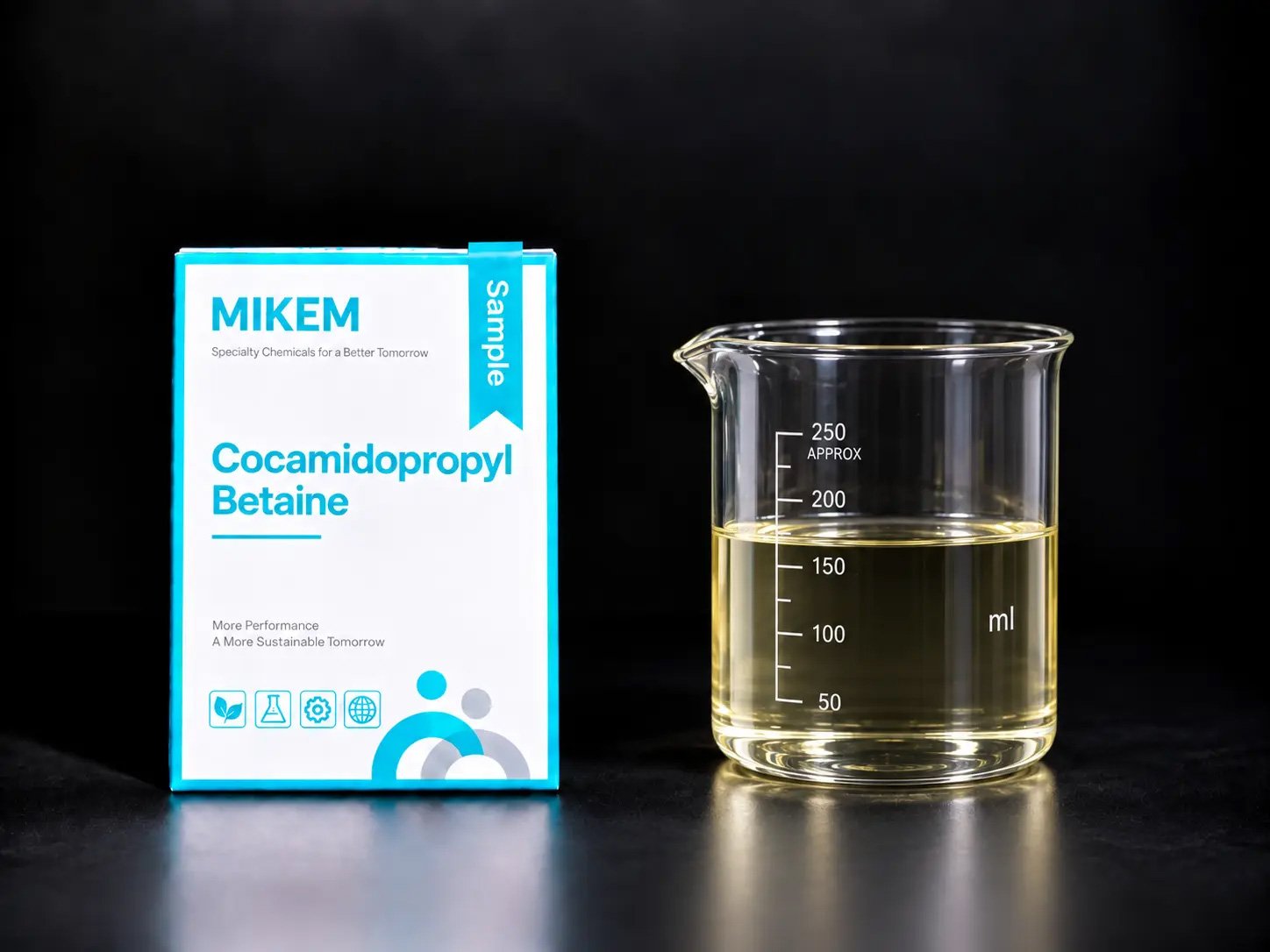
MIKEM lists Cocamidopropyl Betaine for body wash and shower gel applications. Its CAPB page also describes foam, viscosity, and formulation mildness as performance considerations in compatible systems. You can review MIKEM Cocamidopropyl Betaine and свяжитесь с командой to discuss specifications, samples, and supply requirements.
Часто задаваемые вопросы
Is CAPB a primary surfactant in body wash?
CAPB is often used as a supporting surfactant alongside a primary cleansing ingredient. Its role depends on the formula and the performance the manufacturer wants to achieve.
Can CAPB be used in sulfate-free body wash?
Yes. CAPB can be included in compatible sulfate-free surfactant systems. The complete blend still needs to be tested for cleansing, foam, viscosity, and skin feel.
Does CAPB always increase body wash viscosity?
No. CAPB can support viscosity development in suitable blends, but the result depends on the other surfactants, pH, electrolyte content, and processing conditions.
Does CAPB alone make a body wash mild?
No single ingredient can guarantee that. Mildness depends on the complete formula, ingredient quality, concentration, and evaluation of the finished product.
Looking for a CAPB supplier for body wash production? Contact MIKEM to discuss product specifications, sample availability, and supply options for your formulation.