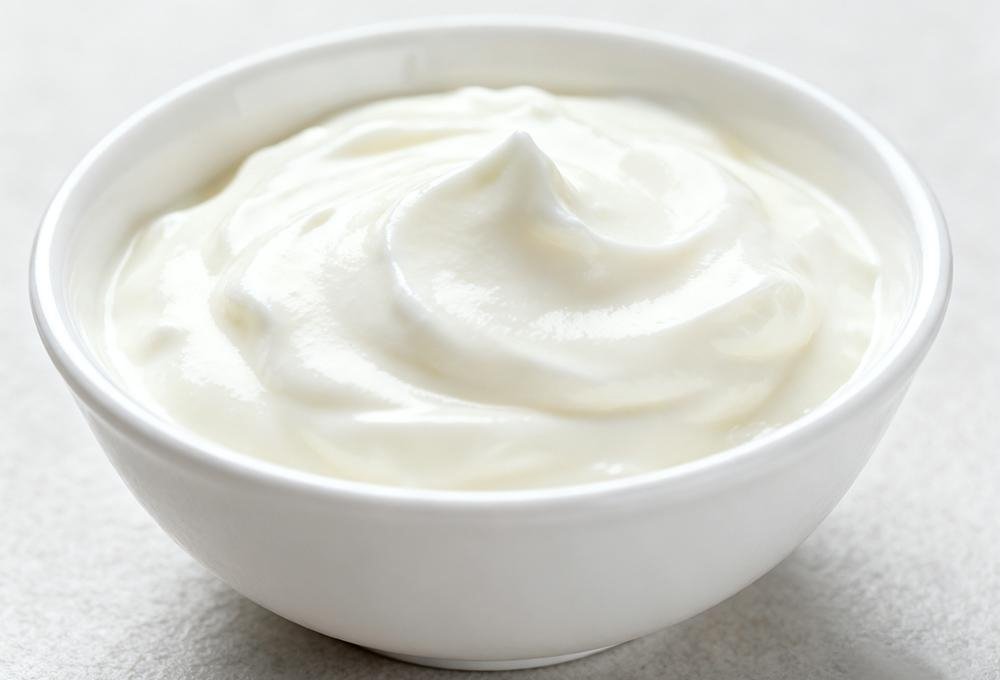
El yogur alto en proteínas se ha convertido en una parte importante del mercado lácteo. Los consumidores buscan productos que ofrezcan más proteínas sin comprometer el sabor y la textura que esperan del yogur convencional. Esto ha impulsado a los fabricantes lácteos a desarrollar desde yogures espesos de estilo griego hasta productos lácteos ricos en proteínas, suaves y bebibles.
Sin embargo, aumentar el contenido de proteínas no es tan sencillo como añadir más concentrado de proteína de leche o proteína de suero. Una mayor concentración de proteínas cambia la estructura del yogur y afecta su comportamiento durante la fermentación, el procesamiento y el almacenamiento. Algunos productos se vuelven excesivamente firmes, mientras que otros desarrollan una sensación granulosa en boca o liberan líquido tras varios días en refrigeración.
Estos problemas son particularmente notables en formulaciones que utilizan ingredientes proteicos concentrados. Los fabricantes necesitan lograr un equilibrio entre el valor nutricional, el rendimiento en el procesamiento y la textura que los consumidores realmente disfrutan.
Aquí es donde la selección de estabilizantes cobra importancia. Hidroxipropilmetilcelulosa (HPMC) es un éter de celulosa con propiedades espesantes, de retención de agua y de gelificación térmica. Aunque no es un sustituto convencional de la red proteica en el yogur, el HPMC de grado alimenticio puede merecer una evaluación en formulaciones lácteas seleccionadas donde el ajuste de la viscosidad y el control del movimiento del agua sean importantes.
Su rendimiento en yogur alto en proteínas depende del grado específico de HPMC, la composición proteica, las condiciones de procesamiento y los requisitos regulatorios. Comprender estos factores es esencial antes de incorporarlo en una formulación comercial.
¿Qué es el HPMC de grado alimenticio?
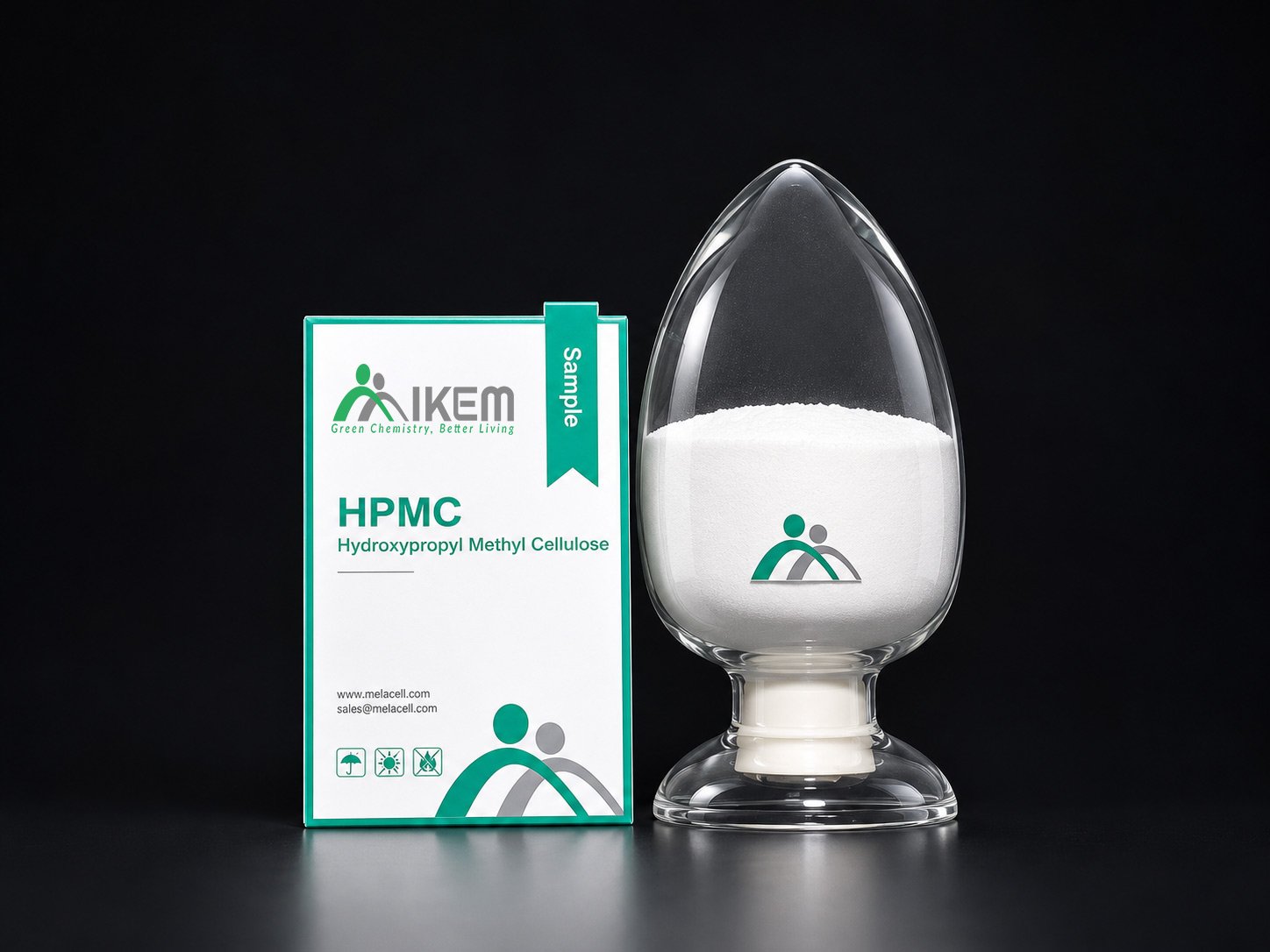
La hidroxipropil metilcelulosa, comúnmente conocida como HPMC o hipromelosa, es un éter de celulosa soluble en agua producido mediante la modificación química de celulosa natural. Se utiliza ampliamente en formulaciones alimentarias como espesante, estabilizante, emulsionante y modificador de textura, dependiendo de la aplicación y las regulaciones aplicables.
El HPMC de grado alimenticio generalmente se suministra como un polvo blanco o blanquecino. Cuando se dispersa e hidrata adecuadamente, forma una solución viscosa. Una de sus características distintivas es la gelificación térmica: su solución acuosa puede formar un gel al calentarse y volver hacia un estado líquido a medida que se enfría. La temperatura a la que esto ocurre varía según el grado y el entorno de la formulación.
Para los fabricantes de alimentos, esta combinación de control de viscosidad y comportamiento dependiente de la temperatura hace del HPMC un ingrediente funcional interesante. Se utiliza en productos de panadería seleccionados, salsas, alimentos preparados y otros sistemas alimentarios formulados.
En aplicaciones lácteas, sin embargo, su comportamiento debe considerarse junto con las proteínas de la leche, los minerales, la acidez y las temperaturas de procesamiento. Un grado de viscosidad que funciona bien en un sistema acuoso simple puede comportarse de manera diferente en una formulación concentrada de proteína láctea.
Por esto, seleccionar HPMC de grado alimenticio debería implicar más que comparar cifras de viscosidad. Las características de sustitución, el comportamiento de hidratación y la compatibilidad con la formulación completa también merecen atención.
Cómo afecta el alto contenido de proteínas a la textura del yogur
El yogur desarrolla su estructura característica mediante la acidificación de la leche. Durante la fermentación, las bacterias lácticas producen ácido láctico, reduciendo el pH y modificando las interacciones entre las proteínas de la leche. Las partículas de caseína forman gradualmente una red que confiere al yogur su cuerpo y su consistencia característica.
Cuando los fabricantes aumentan la concentración de proteínas, la estructura de esta red cambia. Las proteínas adicionales pueden contribuir a un gel más firme, pero el resultado depende del tipo de ingrediente proteico, su hidratación y las condiciones de procesamiento.
Pueden aparecer varios problemas durante la producción o el almacenamiento en refrigeración.
Separación de suero
La separación de suero, también conocida como sinéresis, ocurre cuando el líquido se separa del gel de yogur y se acumula en la superficie o alrededor del envase. Puede ser resultado de cambios en la red proteica, la contracción del gel, la manipulación mecánica y las condiciones de almacenamiento.
Una formulación alta en proteínas no es automáticamente resistente a la sinéresis. Incluso los productos con un contenido proteico sustancial pueden liberar líquido si su estructura de gel y distribución de agua no se controlan adecuadamente.
Espesor excesivo
Más proteínas pueden hacer el yogur más firme, pero un producto más espeso no siempre es un mejor producto. Algunas formulaciones se vuelven pastosas o difíciles de tomar con cuchara, particularmente cuando la concentración de proteínas, el tratamiento térmico y las condiciones de fermentación no están equilibrados.
Esto crea un desafío para los fabricantes que producen diferentes estilos de yogur. Un yogur espeso de estilo griego tiene requisitos de textura diferentes a los de un yogur bebible alto en proteínas, por lo que el mismo sistema estabilizante puede no ser adecuado para ambos.
Textura granulosa o irregular
Puede desarrollarse una sensación granulosa cuando las partículas de proteína están insuficientemente hidratadas o cuando ocurre agregación durante el procesamiento. Las diferencias en las fuentes de proteína, las condiciones de calentamiento y la homogeneización pueden influir en la textura final.
Añadir un espesante no elimina automáticamente estos defectos. Si los ingredientes proteicos están mal dispersados, el producto terminado puede seguir sintiéndose irregular incluso cuando su viscosidad general es relativamente alta.
Por esta razón, la selección de estabilizantes debe ser parte de una estrategia de formulación más amplia en lugar de un sustituto del control del sistema proteico y del proceso de producción.
Cómo puede el HPMC apoyar las formulaciones de yogur alto en proteínas
El HPMC no crea el gel de caseína primario responsable de la estructura del yogur. Su papel potencial es diferente: modifica la fase acuosa circundante e influye en la viscosidad y el comportamiento físico del sistema terminado.
Para los fabricantes que desarrollan yogur alto en proteínas, hay varias propiedades que merecen investigarse.
1. Apoyo a la gestión del agua
La gestión del agua es uno de los principales desafíos en la producción de yogur alto en proteínas. Una formulación puede tener una concentración de proteínas relativamente alta pero aún así liberar líquido durante el almacenamiento si su estructura no puede retener agua de manera efectiva.
El HPMC tiene propiedades de unión de agua y espesamiento que pueden influir en el movimiento del agua a través de un sistema alimentario. Al aumentar la viscosidad de la fase continua, puede ayudar a ralentizar el movimiento del líquido y contribuir a una textura más uniforme.
Esto es particularmente relevante cuando los fabricantes evalúan formas de reducir la separación visible de líquido. Sin embargo, la mejora de la viscosidad no debe confundirse con la eliminación de la sinéresis. La separación de suero está influenciada por la red proteica, la fermentación, el tratamiento térmico y el tratamiento mecánico, por lo que la formulación completa debe ser evaluada.
2. Ajuste de la viscosidad y la consistencia
La viscosidad tiene una influencia directa en cómo los consumidores experimentan el yogur. Un producto demasiado líquido puede carecer de cuerpo, mientras que uno excesivamente espeso puede resultar pesado y difícil de consumir.
El HPMC proporciona a los formuladores otra forma de ajustar la viscosidad sin depender enteramente del aumento de sólidos proteicos. Dependiendo del grado y la concentración seleccionados, puede influir en la consistencia de la fase líquida circundante.
Para el yogur alto en proteínas, el objetivo debe ser lograr la textura apropiada para el producto previsto. Un yogur de estilo griego para tomar con cuchara, un postre proteico suave y un yogur bebible tienen diferentes requisitos de viscosidad.
Elegir un grado de HPMC de mayor viscosidad no produce automáticamente un mejor resultado. El espesamiento excesivo puede crear una sensación indeseable de gomosidad o pastosidad, por lo que la selección del grado y la dosificación deben evaluarse conjuntamente.
3. Contribución a una sensación en boca más suave
Los consumidores notan la textura de inmediato. Un yogur alto en proteínas puede tener un perfil nutricional atractivo, pero una sensación granulosa o excesivamente densa en boca puede hacerlo menos atractivo.
Al modificar la viscosidad y el comportamiento de la fase continua, el HPMC puede ayudar a mejorar la percepción de cuerpo y suavidad en formulaciones compatibles.
Esto merece evaluarse en productos que contienen concentrado de proteína de leche, concentrado de proteína de suero o aislado de proteína de leche. Estos ingredientes difieren en composición y comportamiento de hidratación, lo que significa que sus interacciones con el HPMC también pueden diferir.
Es importante recordar que la suavidad no está determinada únicamente por un espesante. El tamaño de partícula de la proteína, la hidratación, la homogeneización y la fermentación contribuyen al resultado sensorial final.
4. Influencia en la estabilidad física durante el almacenamiento
Un yogur que se ve satisfactorio inmediatamente después de la producción puede no mantener la misma apariencia y textura a lo largo de su vida útil. Los cambios en la estructura del gel y la distribución del agua pueden afectar la viscosidad, la firmeza y la separación visible de suero.
El HPMC puede contribuir a la estabilidad física en sistemas compatibles al modificar la viscosidad de la fase continua. Si esto se traduce en un mejor rendimiento durante el almacenamiento debe establecerse mediante pruebas de producto.
Los fabricantes deben comparar muestras durante la vida útil refrigerada prevista, prestando atención a la separación de líquido, los cambios de textura y la calidad sensorial. Un resultado prometedor en una muestra de laboratorio recién preparada no es suficiente para demostrar estabilidad comercial.
HPMC frente a estabilizantes convencionales en yogur alto en proteínas
HPMC is not the only ingredient available for controlling yogurt texture. Dairy manufacturers commonly evaluate different hydrocolloids and functional ingredients, depending on the product style and the desired result.
The choice is not simply a matter of finding the strongest thickener. Different ingredients work through different mechanisms, and their performance depends on the composition of the dairy system.
| Ingredient |
Main Functional Characteristics |
Consideraciones de formulación |
| HPMC |
Thickening, water management and thermal gelation |
Requires evaluation of viscosity grade, hydration and temperature profile |
| Pectina |
Texture modification and interaction with dairy proteins under suitable conditions |
Performance depends on pH, protein composition and pectin type |
| Modified starch |
Thickening and body development |
May influence texture, viscosity and processing behavior |
| Gelatina |
Gel formation and texture development |
Provides a different gel structure and has specific temperature-related behavior |
Each option has its own strengths and limitations.
Pectin is commonly considered in acidified dairy systems because of its interaction with proteins under suitable conditions. Modified starch can contribute to body and consistency, while gelatin is used where its characteristic gel structure is desired.
HPMC offers a different combination of thickening and thermal gelation behavior. It may be worth evaluating when manufacturers want to explore a cellulose ether-based functional system or adjust the viscosity of a concentrated protein formulation.
However, HPMC should not be presented as a universal replacement for pectin, starch or gelatin. Their functions are not identical, and there is no single ingredient that performs best in every yogurt formulation.
The practical approach is to compare suitable ingredients under the same production conditions, using measurable texture and stability results rather than relying on general product descriptions.
How to Evaluate HPMC in High-Protein Yogurt Production
Selecting an appropriate HPMC grade is only the first step. The way the ingredient is dispersed, hydrated and processed can have a considerable influence on the final result.
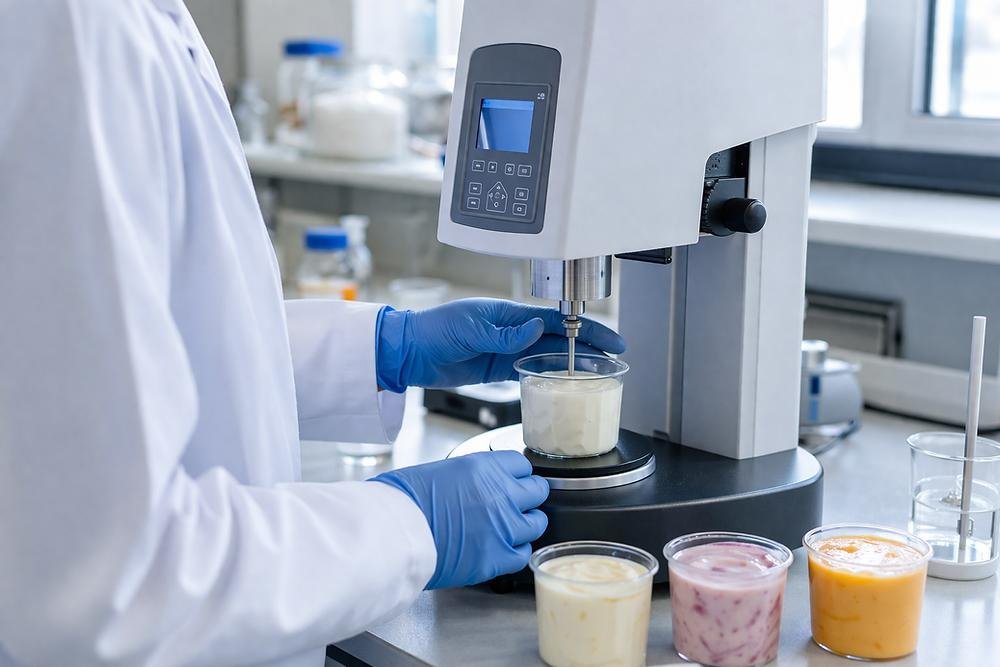
For manufacturers considering HPMC in yogurt formulation, laboratory evaluation should reflect the actual production process as closely as possible.
Ingredient Preparation and Dispersion
HPMC powder needs to be dispersed properly to avoid the formation of lumps. When powder particles come into contact with water too quickly, their outer surfaces may hydrate before the inner material has dispersed, producing agglomerates.
Manufacturers should follow the supplier’s recommended dispersion procedures. Depending on the grade and equipment, suitable methods may involve controlled powder addition, appropriate mixing intensity or a pre-dispersion step.
Hydration and Protein Blending
The hydration behavior of HPMC should be evaluated in the presence of the actual protein ingredients rather than in water alone.
Milk protein concentrate, whey protein concentrate and milk protein isolate have different functional characteristics. Their interactions with water and other ingredients may affect the final viscosity and texture.
It is therefore useful to compare different addition sequences and mixing conditions during laboratory trials.
Heat Treatment and Temperature Control
Heat treatment plays an important role in yogurt production because it affects milk protein functionality and the structure of the final gel.
HPMC also exhibits thermal gelation behavior. Its response to temperature depends on the grade and the surrounding formulation, so manufacturers should examine the heating and cooling profile rather than assume that its performance in a room-temperature solution will remain unchanged during processing.
Fermentation and pH
During fermentation, the pH of the milk mixture decreases as lactic acid is produced. This changes the interactions between milk proteins and influences the development of the yogurt gel.
HPMC should be evaluated in the actual acidic dairy environment. Manufacturers should monitor whether the selected grade affects viscosity, gel development or the sensory characteristics of the finished product.
Refrigerated Storage
Storage testing is essential before a formulation moves into commercial production. Samples should be evaluated at different points during the intended shelf life under realistic refrigeration conditions.
Several measurements are particularly useful:
- Apparent Viscosity: Determines whether the product maintains its target consistency.
- Syneresis Rate: Measures the amount of liquid released during storage.
- Water-Holding Capacity: Helps assess how effectively the yogurt structure retains water.
- Texture and Firmness: Evaluates changes in the product’s physical structure.
- Sensory Characteristics: Checks smoothness, creaminess, graininess and overall mouthfeel.
These results provide a more reliable basis for selecting an HPMC grade than viscosity measurements alone.
Choosing the Right HPMC Grade for Yogurt Formulation
Not every HPMC product is suitable for every food application. Different grades have different viscosity characteristics, substitution profiles and hydration behavior.
When evaluating HPMC for high-protein yogurt, manufacturers should consider several factors.
Viscosity Grade: The required viscosity depends on the product style and the desired mouthfeel. A spoonable yogurt and a drinkable formulation will not necessarily require the same grade.
Substitution Characteristics: Methoxy and hydroxypropoxy substitution influence the functional behavior of HPMC, including its hydration and thermal gelation properties.
Dispersion and Hydration: The selected grade should be compatible with the available mixing equipment and manufacturing process.
Product Specifications: Moisture content, purity and other relevant quality parameters should be reviewed against the manufacturer’s requirements.
Regulatory Suitability: The food-grade designation alone does not establish permission for every food category or market.
A practical approach is to identify the target texture first, then compare suitable grades through controlled formulation trials. This reduces the risk of selecting an ingredient based on a single specification that does not reflect its actual performance in the finished product.
Food Safety and Regulatory Considerations
Food additive regulations differ between countries and product categories. Manufacturers should not assume that an HPMC grade permitted in one food application is automatically authorized for every type of yogurt.
In the United States, 21 CFR §172.874 provides for the use of hydroxypropyl methylcellulose as an emulsifier, film former, protective colloid, stabilizer, suspending agent or thickener under the conditions specified in the regulation. It also addresses standardized foods that do not provide for such use.
In the European Union, HPMC is identified as E464. Its permitted applications must be checked against the applicable provisions of Regulation (EC) No 1333/2008, including the specific food category and conditions of use. Ordinary unflavoured yogurt, for example, falls within a different food category from flavoured fermented dairy products.
Before commercial use, manufacturers should verify:
- Whether HPMC is permitted in the specific finished food category.
- Applicable use conditions and maximum levels, where relevant.
- Ingredient declaration and labeling requirements.
- The suitability and documentation of the specific food-grade material.
Regulatory compliance should be confirmed for each target market before finalizing a commercial formulation.
Why Choose MIKEM for Food-Grade HPMC?
For food manufacturers, choosing an ingredient supplier is not simply about finding a product with the right name. Raw material specifications, batch consistency, production control and reliable communication all influence the efficiency of formulation development and commercial manufacturing.
MIKEM is a manufacturing-focused chemical company, not simply a supply-chain supplier. Its approach emphasizes production capabilities, quality management and customer support across its specialty chemical business, including food additives.
When sourcing Food Grade HPMC, manufacturers need to look beyond the general description of the product. Viscosity grade, substitution characteristics, moisture content and purity specifications all deserve attention because they can influence the performance of the finished formulation.
MIKEM focuses on four areas that matter to industrial customers:
Manufacturing and Production Control
A direct manufacturing approach provides a stronger foundation for product specification management and production communication. MIKEM emphasizes manufacturing capabilities and production management rather than relying solely on third-party sourcing.
Especificaciones de producto consistentes
For food manufacturers running repeated production batches, consistency is essential. Variations in raw material characteristics can create unnecessary adjustments during formulation and processing. Quality management and controlled product specifications help customers maintain more predictable raw material requirements.
Technical Product Support
Choosing an HPMC grade requires consideration of the intended application, target viscosity and processing conditions. MIKEM can support product specification discussions and provide relevant technical information to help customers identify suitable grades for further evaluation.
Suministro y Envasado Flexibles
Different manufacturers have different purchasing volumes, production schedules and packaging requirements. Flexible supply and packaging arrangements help customers manage their raw material procurement according to their operational needs.
For companies developing yogurt, bakery products, sauces and other food formulations, a dependable HPMC supplier can make a meaningful difference to long-term production planning.
Preguntas frecuentes
1. What does HPMC do in high-protein yogurt?
HPMC can function as a thickener and texture modifier in suitable formulations. It may help adjust viscosity and influence water movement in the finished product. Its actual performance depends on the protein system, selected grade and processing conditions.
2. Can HPMC reduce whey separation in yogurt?
HPMC may influence liquid movement by increasing the viscosity of the continuous phase. However, whey separation is also affected by protein composition, fermentation, heat treatment and gel structure. Its effectiveness must be confirmed through formulation and storage trials.
3. Is HPMC better than pectin or modified starch in yogurt?
Not necessarily. HPMC, pectin and modified starch have different functional properties. The most suitable ingredient depends on the yogurt style, protein system, processing conditions and target texture. Manufacturers should compare them through controlled testing.
4. Which HPMC viscosity grade is suitable for high-protein yogurt?
There is no single grade suitable for every formulation. Selection depends on the target viscosity, protein source, processing conditions and desired mouthfeel. Comparing suitable grades in the actual dairy system is the most reliable approach.
5. Can HPMC be used with milk protein concentrate?
HPMC can be evaluated in formulations containing milk protein concentrate, but compatibility and performance need to be confirmed through laboratory trials. Protein hydration, mixing conditions and the final pH can influence the result.
6. Does HPMC affect yogurt fermentation?
Its influence should be evaluated in the complete formulation. The protein system, ingredient addition sequence, pH development and processing conditions may all affect the final result. Manufacturers should monitor fermentation and gel development during trials.
7. Is food-grade HPMC suitable for all fermented dairy products?
No general assumption should be made. Technical suitability and regulatory permission depend on the specific product category and target market. Manufacturers should check applicable food additive regulations before using HPMC in commercial products.
Conclusión
Developing high-protein yogurt involves more than increasing the amount of protein in the milk base. Manufacturers also need to manage water distribution, gel structure, viscosity and mouthfeel throughout processing and refrigerated storage.
HPMC offers a combination of thickening, water-management and thermal gelation properties that may be useful in selected dairy formulations. Its value lies in what it can contribute to a carefully designed ingredient system, not in replacing the functions of protein or other stabilizers.
For manufacturers considering HPMC in high-protein yogurt, the next step is to evaluate suitable grades in the actual formulation, compare the results against the desired product characteristics and confirm regulatory suitability in the target market.
With its manufacturing-focused approach, product quality management and flexible supply capabilities, MIKEM aims to support food manufacturers in sourcing Food Grade HPMC for their formulation requirements.