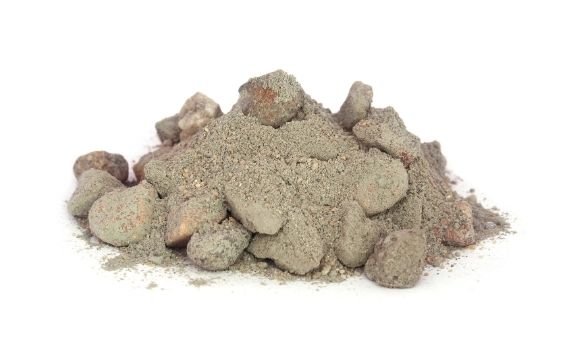
A greasy surface can look clean after a quick wipe and still leave a thin film behind. In industrial and institutional cleaning, that residue can collect dust, interfere with later processing or make floors and equipment difficult to maintain. A degreaser must do more than loosen visible soil: it needs to help the cleaning solution reach the surface, lift oily material and keep it dispersed long enough to be rinsed or wiped away.
Sodium dodecyl sulfonate in degreasers can contribute to this process as an anionic surfactant. It supports wetting, detergency and emulsification, helping a formulation work on oily soils. Its performance, however, depends on the full formula and the conditions of use. The surfactant is one part of a cleaning system that may also include builders, solvents, water conditioners and foam-control agents.
Why Grease Can Be Difficult to Remove
Oil and grease do not mix readily with water. When water alone is applied to an oily surface, it may bead or run off without making enough contact to loosen the soil. A surfactant helps the cleaning solution spread over the surface and interact with the oily layer. With sufficient contact time and mechanical action, the soil can be loosened and carried into the wash water.
The type of soil matters. Fresh cooking oil, lubricating grease, carbonized deposits and mixed workshop soils do not respond identically to the same cleaner. Surface material, water hardness, temperature and cleaning method also change the result. A degreaser designed for a spray washer, for example, may need a different foam profile from a product applied by hand to a vertical surface.
For formulators, the challenge is to balance these factors in one product. The surfactant needs to support soil removal, but the formula also has to remain stable, dilute as intended and suit the equipment and surfaces for which it is designed.
What Sodium Dodecyl Sulfonate Contributes
As an anionic surfactant, sodium dodecyl sulfonate helps reduce the surface tension of water and improve wetting. Better wetting allows the wash solution to spread across a surface rather than remain in isolated droplets. Surfactants can also help loosen oily soil and disperse it through the cleaning solution, where rinsing or wiping can remove it. The American Cleaning Institute’s explanation of cleaning chemistry describes how surfactants support wetting and the suspension of oil in water.
In a degreaser formulation, this contribution can be useful on equipment, floors, work surfaces and components with oil or grease contamination. The surfactant’s foaming behavior may also be helpful in some manual cleaning products, where foam helps the solution stay in contact with a surface. In spray and machine-cleaning systems, though, excessive foam can interfere with circulation, rinsing or equipment operation. Foam should be treated as a formulation property to control, not as a direct measure of cleaning power.
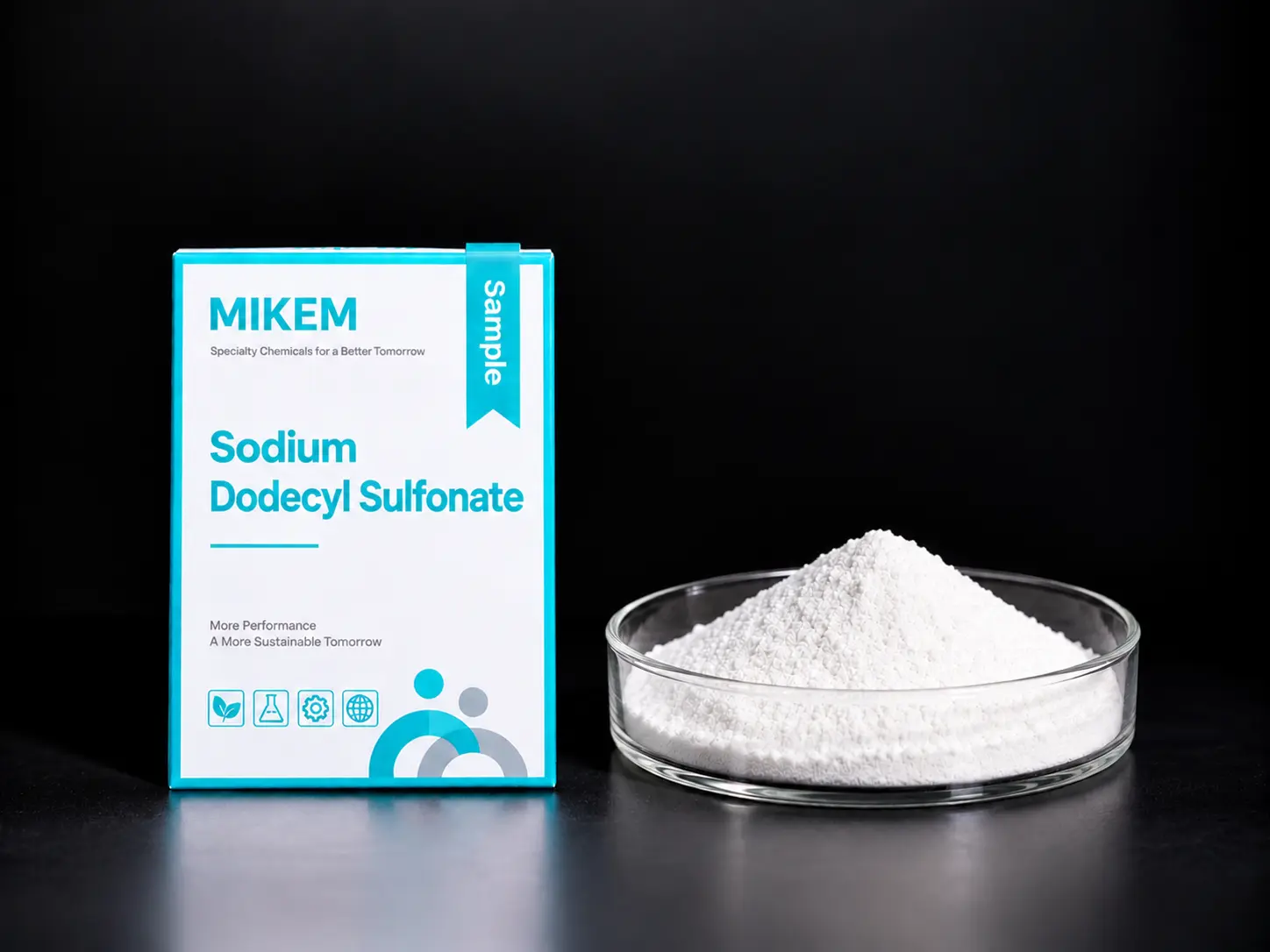
MIKEM describes its sodium dodecyl sulfonate as a surfactant for household and industrial cleaning, with wetting, emulsifying and foaming properties. The product page lists a white-to-light-yellow crystal or powder form and active content of at least 90%; manufacturers should confirm the current specification for the grade they are evaluating.
A Formulation Ingredient, Not a Complete Degreaser
Sodium dodecyl sulfonate can support a degreaser, but it does not determine the whole cleaning result. The formula may need other ingredients to address soil type, water quality, application method and residue control. Alkaline builders, for example, may support cleaning on certain oily soils, while solvents can help dissolve soils that are difficult to remove with water alone. Water conditioners may help manage hardness, and foam-control ingredients may be considered for machine use.
These ingredients should not be combined by assumption. Compatibility, concentrate stability, dilution behavior and performance need to be checked in the intended formula. High electrolyte levels or the presence of other surfactants can change viscosity, clarity or phase stability. Formulators should also assess compatibility with any cationic ingredients, since unlike-charge surfactants may interact in ways that affect the final product.
The right balance depends on the application. A heavy-duty cleaner for workshop floors may prioritize soil removal and rinseability. A spray cleaner may need controlled foam and minimal residue. A manual degreaser for vertical surfaces may benefit from longer contact time, provided the product remains suitable for the surface being cleaned.
Where It Can Fit in Degreasing Formulations
Industrial parts and equipment
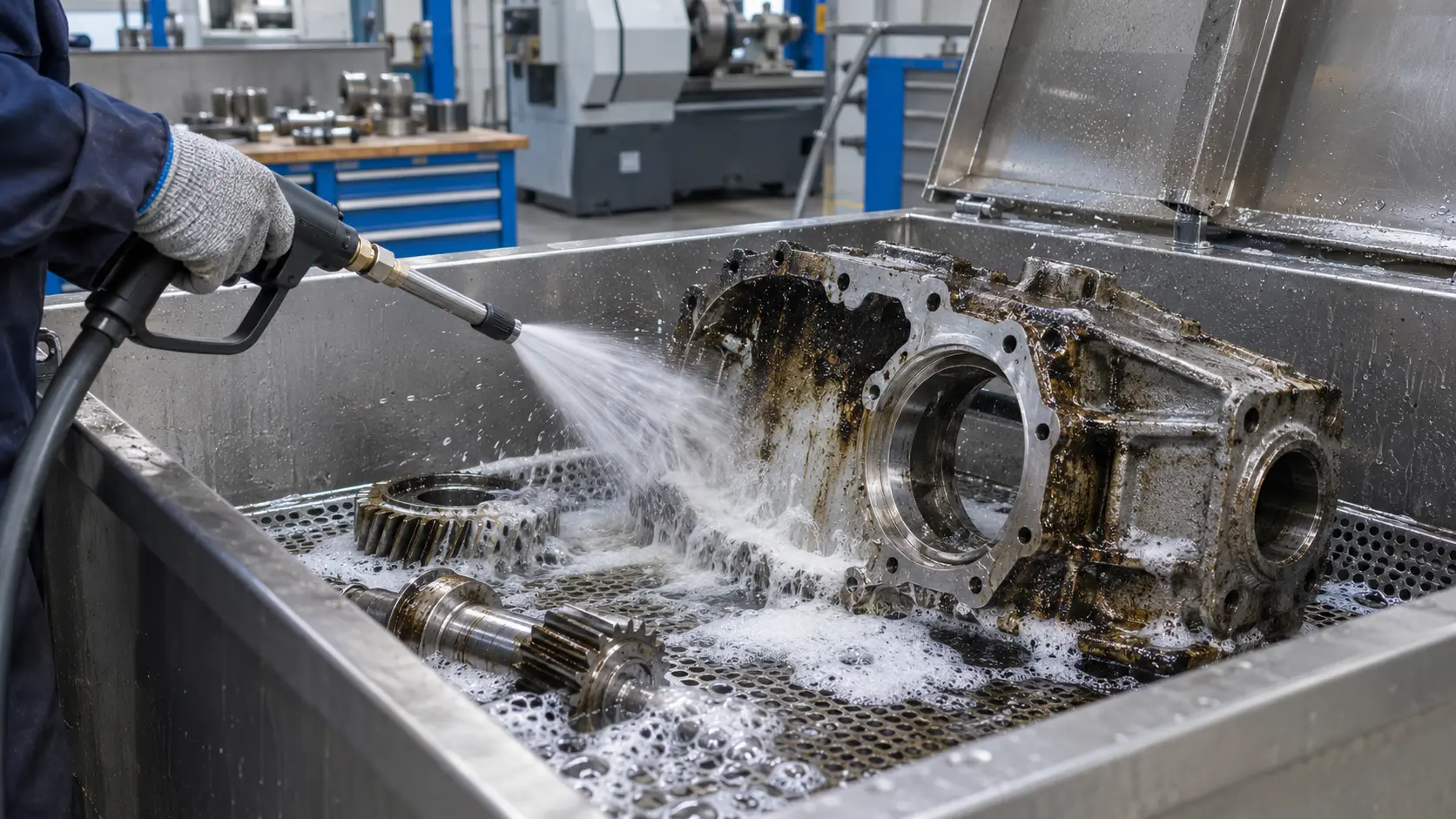
Metalworking and maintenance operations may need cleaners that remove lubricants, process oils and accumulated grime from machine parts or equipment surfaces. Sodium dodecyl sulfonate can be evaluated as a wetting and detergency component, alongside other ingredients selected for the specific soil and cleaning process. Test the complete formulation on representative parts, particularly when residues could affect a later coating, bonding or manufacturing step.
Floors and general-purpose surfaces
Degreasers for factory floors, maintenance areas and other washable surfaces must loosen oily soil while remaining practical to apply and remove. The level of foam, the rinse method and the possibility of residue are all relevant. A formula that produces abundant foam may be suitable for manual application but troublesome in an automatic scrubber or recirculating system.
Kitchen and food-service environments
Greasy deposits on washable kitchen equipment and floors may require a cleaner with effective wetting and soil dispersion. Product developers should verify suitability for the intended surface and follow applicable requirements for food-service cleaning. The presence of a surfactant does not by itself establish that a finished product is suitable for food-contact surfaces; the full product and its directions must be assessed.
Formulation Factors to Test
A practical evaluation starts with the actual product grade and the cleaning conditions it will face. Since sodium dodecyl sulfonate is commonly handled as a solid, formulators should confirm that it incorporates evenly into the selected process. The order of addition, agitation and water temperature can affect how readily a batch forms a uniform concentrate.
Next, test the formula at its intended dilution. A concentrate can appear stable yet behave differently in hard water or at a low use concentration. Check for changes in clarity, viscosity, separation and foam. Then assess cleaning performance using representative soils and surfaces rather than relying only on appearance or foam volume.
| Formulation factor |
What to evaluate |
| Soil type |
Removal of the oils, greases or mixed deposits relevant to the application |
| Water quality |
Cleaning and dilution performance in the expected water hardness |
| Foam profile |
Whether foam supports manual use or disrupts spray and machine cleaning |
| Surface compatibility |
Appearance, corrosion, residue or other effects on intended materials |
| Concentrate stability |
Separation, precipitation, viscosity changes and ease of dilution |
Where possible, compare the formulation with a control that does not contain the candidate surfactant or uses a different surfactant level. Change one variable at a time and record the dilution, temperature, contact time and cleaning method. This makes it easier to identify what the surfactant contributes and where other parts of the formula need adjustment.
Preguntas frecuentes
Is sodium dodecyl sulfonate suitable for degreasers?
It can be used as a surfactant component in degreasing and cleaning formulations. The finished product’s performance depends on the soil, other ingredients, dilution, surface and application method, so it should be evaluated in the complete formula.
Does sodium dodecyl sulfonate remove grease by itself?
It can contribute wetting, detergency and oil dispersion, but heavy or baked-on soils may require additional formulation components and mechanical action. A surfactant alone should not be assumed to replace solvents, builders or cleaning equipment where those are needed.
What dosage should be used in a degreaser?
There is no single dosage that works for every product. The appropriate level depends on the surfactant grade, formula, target soil and use concentration. Determine it through controlled laboratory and application testing, following the supplier’s technical guidance.
Is more foam a sign of better degreasing?
No. Foam may help a product cling during manual cleaning, but it does not directly measure soil removal. High foam can also be undesirable in spray washers or recirculating equipment. Evaluate cleaning performance and foam behavior separately.
Is sodium dodecyl sulfonate the same as sodium dodecyl sulfate?
No. They are different compounds with different CAS numbers. Verify chemical identity through the CAS number and product specification rather than relying on a similar common name.
Develop a Degreaser Around the Cleaning Task
Sodium dodecyl sulfonate can support grease wetting and soil dispersion in degreasers, but the best results come from designing around the actual cleaning task. Match the surfactant to the soil, surface and equipment; test foam and rinse behavior; and confirm concentrate stability and dilution performance before scaling up.
MIKEM manufactures sodium dodecyl sulfonate for cleaning formulations. Explore the MIKEM sodium dodecyl sulfonate product page or contact the team to discuss specifications and application requirements.